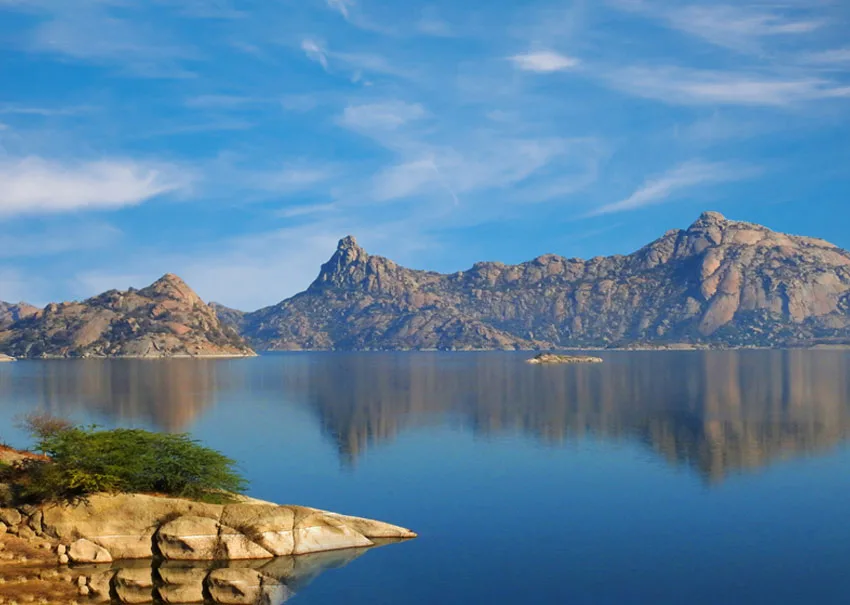
When you picture a wildlife safari in India, your mind probably jumps to the dense, shaded forests of Madhya Pradesh or the tall grasslands of Assam. But tucked away in the Pali district of Rajasthan lies a radically different wilderness: Jawai. This dramatic terrain is a striking maze of billions-of-years-old granite formations, scrubby brush, and winding water channels. What makes this place truly legendary is its thriving population of wild leopards that live in absolute harmony with the local Rabari herdsmen. Because these big cats effortlessly scale the sheer rock faces rather than hiding behind dense foliage, it is arguably the easiest place in the country to spot a leopard. If you are starting to map out your journey to this rugged paradise, booking a stay at a premium luxury resort in jawai serves as the perfect base camp to dive into this unique landscape.
However, because Jawai is a semi-arid desert environment, the changing seasons completely transform how the wildlife behaves, where the animals roam, and how comfortable you will feel during your drives. Picking the right time to visit will heavily dictate what you see and how your trip unfolds.
Here is a comprehensive seasonal breakdown to help you pinpoint the absolute best months to lock in your travel plans.
The Peak Season: October to March (The Golden Window)
For the vast majority of travelers, wildlife photographers, and families, the months spanning from October to March represent the undisputed golden window to experience Jawai. As the scorching summer heat breaks and the brief monsoon showers clear away, the region settles into an incredibly pleasant, crisp climate.
- The Weather: Daytime temperatures stay between a highly comfortable 10°C and 25°C. The air is clear, the sun is gentle, and the morning safaris have a distinct, refreshing chill that requires a light jacket or fleece wrapper.
- The Wildlife Dynamics: Because the summer rains have officially stopped, the thick undergrowth begins to naturally thin out and dry up. This lack of heavy foliage dramatically boosts visibility. It is during these cooler winter months that leopards become highly active during the day. You will often spot them stretching, playing, or sunning themselves on the flat granite hilltops during the early morning and late afternoon hours. Furthermore, this is the period when an unforgettable leapard safari in Jawai yields its highest sighting success rates, frequently exceeding 80%.
- Bonus Avian Activity: Winter turns the peaceful waters of the nearby Jawai Bandh (dam) into a bustling sanctuary for migratory birds. Thousands of flamingos, demoiselle cranes, pelicans, and bar-headed geese fly in from across the globe, creating a breathtaking paradise for avid birdwatchers.
The Hot Shoulder Season: April to June (The Photographer’s Choice)
Once April arrives, the desert sun reclaims the landscape, and temperatures steadily climb, frequently hovering between 35°C and 45°C by midday. While the intense heat deters casual vacationers, this is secretly the favorite time of year for hardcore wildlife photographers and seasoned trackers.
- The Water Hole Effect: As the smaller seasonal streams and natural rock depressions dry out completely, the wildlife is forced to concentrate around a few remaining permanent water sources. Leopards must venture down from their high cave hideouts to drink, making their movements highly predictable.
- Vantage Points: Because the vegetation drops to its absolute bare minimum, there is nowhere for the big cats to hide. If you can brave the intense dry heat of the afternoon, the reward is often completely unobstructed, dramatic sightings of leopards stalking prey or resting under large boulders.
- Fewer Crowds: Another massive advantage of traveling during these months is the crowd factor. The tracks are remarkably quiet, meaning your safari jeep won't be competing with a dozen other vehicles for the best viewing angles.
The Emerald Off-Season: July to September (The Lush Wilderness)
The arrival of the monsoon rains completely flips the script on Jawai's aesthetic. The dusty, golden-brown landscape transforms almost overnight into a vibrant, emerald-green paradise.
- The Landscape: The rain fills up the dry riverbeds, fields burst into bloom, and the granite hills look incredibly striking against dramatic, stormy skies. It is a visually stunning time for landscape enthusiasts.
- The Catch: From a pure leopard-spotting perspective, the monsoon is highly unpredictable. The abundant water means leopards don't have to travel down to the dam to drink, and the thick, fast-growing green cover makes them much harder to pinpoint. Additionally, heavy downpours can occasionally turn dirt tracks into mud, leading to delayed or canceled safari drives. It is a magical time for a peaceful, slow-paced getaway, but less ideal if your primary goal is checking a big cat sighting off your bucket list.
Maximizing Your Wilderness Experience
Planning the perfect wilderness escape is about far more than just timing the weather; it is about finding the right balance of daily adventure and deep relaxation. Exploring the rugged wilderness can be physically draining, especially after spending three hours bouncing over rocky terrain in an open-topped 4x4 jeep.
To break up the day, most seasoned travelers prefer a relaxed schedule that pairs early morning tracking with a slow, restful afternoon. There is truly nothing quite like returning from a thrilling morning drive and winding down at a premier Resort with Swimming Pool in Jawai to wash away the dust of the bush and lounge under the midday sun before heading back out for a sunset excursion.
No matter which month you ultimately choose to visit, Jawai’s unique blend of ancient geology, raw wildlife, and deep cultural heritage promises a truly unforgettable adventure. Ensure you book your custom jeeps and accommodations well in advance, pack earth-toned clothing to blend into the scenery, and prepare to witness one of the most remarkable wildlife spectacles India has to offer.