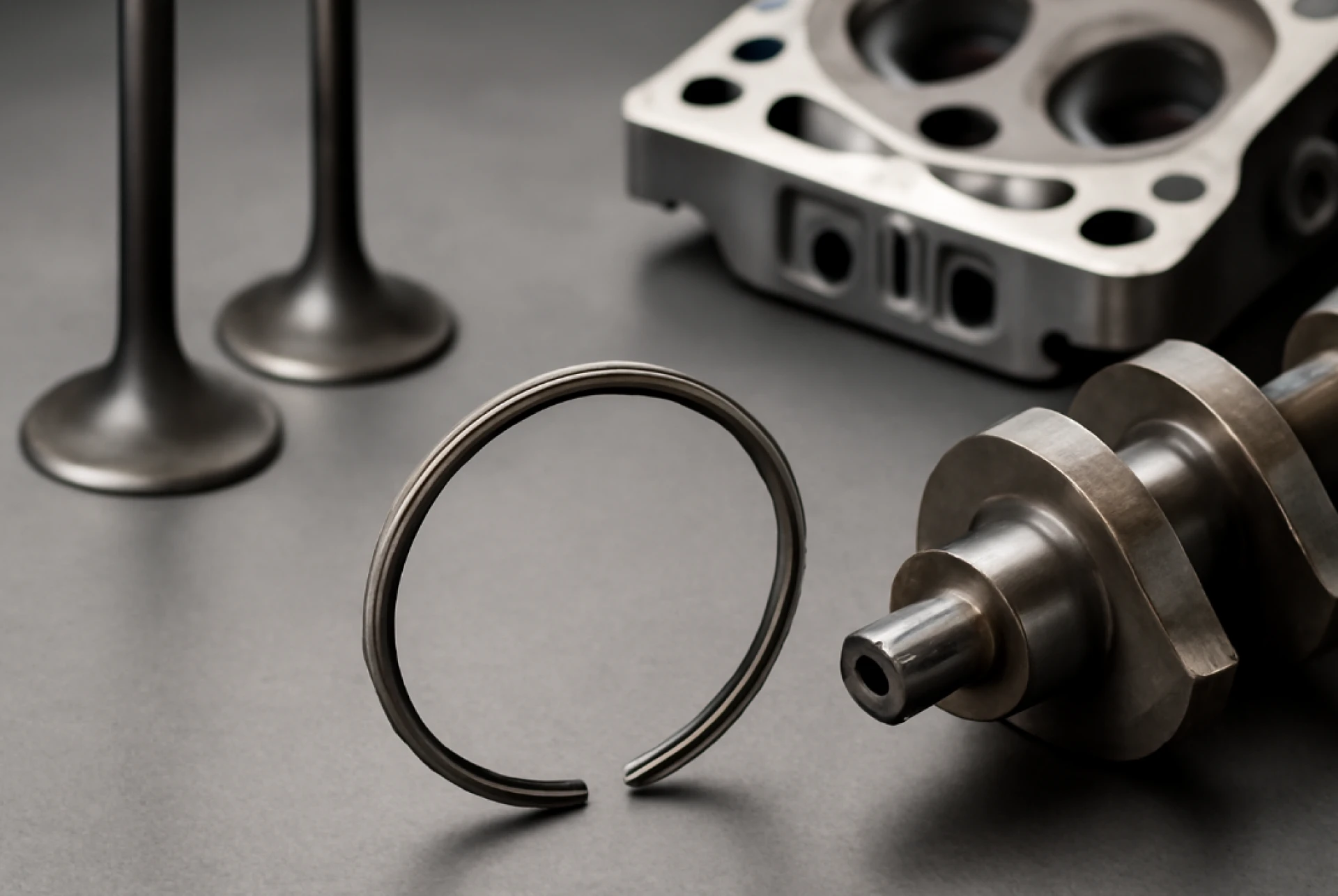
Most car problems start with a simple noise - maybe a knock, a tick, or a rattle. Often enough, that noise comes from worn piston rings. These small metal bands keep engines running smoothly, but when they wear out, the trouble begins. Understanding how piston rings work compared to other engine parts helps owners catch problems before they turn serious.
Why Piston Rings Matter
Pop open any engine and you'll find piston rings wrapped around each piston. They might not look impressive, but without them, engines wouldn't run right. A good piston ring seals in power, keeps oil in check, and helps cool things down. When rings wear out, engines burn oil, lose power, and eventually stop running. Many engine problems can be traced back to these small but critical components.
Basic Engine Parts
Every engine has several key pieces that work together:
- The block and heads
- Pistons and rings
- Valves and springs
- The crankshaft
- Oil system parts
Many of these parts can last the life of the car when properly maintained. Regular service helps catch wear before it causes major problems.
Daily Wear and Tear
The toughest jobs in an engine fall to:
- Timing chains
- Valve springs
- Rod bearings
- Piston rings
- Head gaskets
These parts face constant stress from heat, pressure, and motion. They need proper oil pressure and clean oil to survive.
Real Engine Problems
Oil leaks tell stories about engine health. Blue smoke from the tailpipe usually means worn piston rings. Black smoke points to other problems. The color and smell of exhaust help mechanics figure out what's wrong before opening up the engine. Different symptoms point to different problems, making diagnosis easier for experienced mechanics.
Finding Trouble Spots
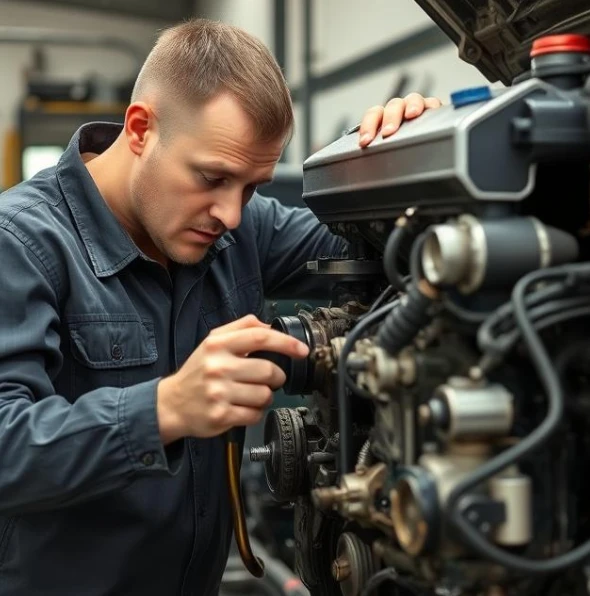
Bad piston rings show themselves in many ways. Engines might burn more oil than usual. Power drops off. Rough running gets worse, especially when the engine's cold. These signs mean trouble's brewing under the hood. The sooner someone spots these warnings, the better chance of saving the engine from major damage.
Money Matters
Taking apart an engine costs real money. Most shops need several days to replace piston rings. That means paying for labor, parts, and time without the car. Sometimes fixing rings makes sense. Other times, trading in the car might work better. The decision often depends on the car's age, value, and overall condition.
Engine Design Changes
New engines run different from old ones. Higher temperatures, tighter tolerances, and better materials change how everything works together. Piston rings today handle more stress than older designs ever could. Modern manufacturing techniques make these parts more reliable and longer-lasting than their predecessors.
Material Choices
Modern piston rings use tough metals and special coatings. They slide better, last longer, and handle heat better than plain steel rings. Better materials mean longer engine life, even under tough conditions. These improvements help engines meet stricter emissions standards while delivering better performance.
Power and Economy
Strong piston rings help engines make power without wasting fuel. They keep compression where it belongs and stop oil from sneaking past. When rings work right, engines run clean and strong. Good compression means better fuel economy and lower emissions.
Fighting Friction
Every engine fights against friction. Good piston rings slide smoothly while keeping tight seals. Less friction means more power reaches the wheels instead of turning into waste heat. Modern oils help reduce this friction, but they can't make up for worn rings.
Maintenance Choices
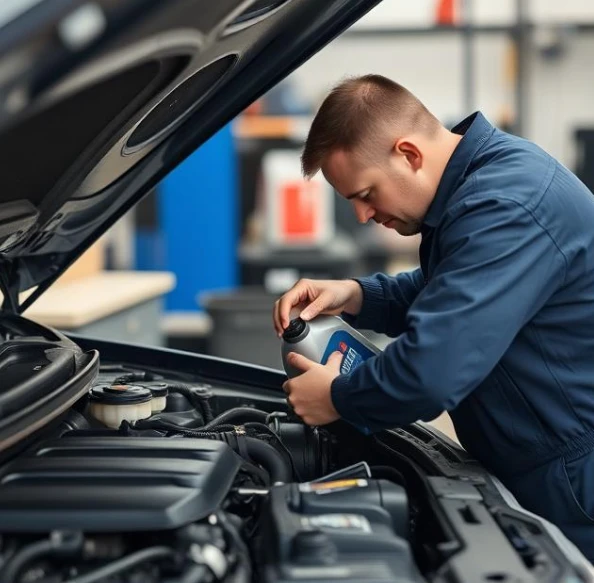
Regular oil changes protect piston rings. Clean oil helps rings slide better and last longer. Skipping oil changes leads to carbon buildup, stuck rings, and expensive repairs down the road. Following the recommended maintenance schedule prevents many common engine problems.
Prevention Costs Less
Fixing engine problems early saves money. Small issues grow into big ones when nobody pays attention. Catching ring problems early means more options for fixing them. Regular inspections can spot trouble before it gets expensive.
Future Changes
Engines keep getting better. New designs help piston rings last longer and work better. Better rings mean engines can work harder while using less fuel. Advanced materials and manufacturing methods continue improving engine reliability.
Making Decisions
Knowledge helps owners take care of their engines. Understanding piston rings makes maintenance choices clearer. Smart choices keep engines running longer with fewer problems. Regular maintenance proves cheaper than major repairs.
The Real Story
Bad piston rings can kill engines. Good ones help engines last for hundreds of thousands of miles. Taking care of rings through basic maintenance costs way less than fixing them after they fail. Paying attention to how engines run helps catch problems while they're still small enough to fix without breaking the bank. Modern engines last longer than ever, but they still need proper care to reach their full potential.