
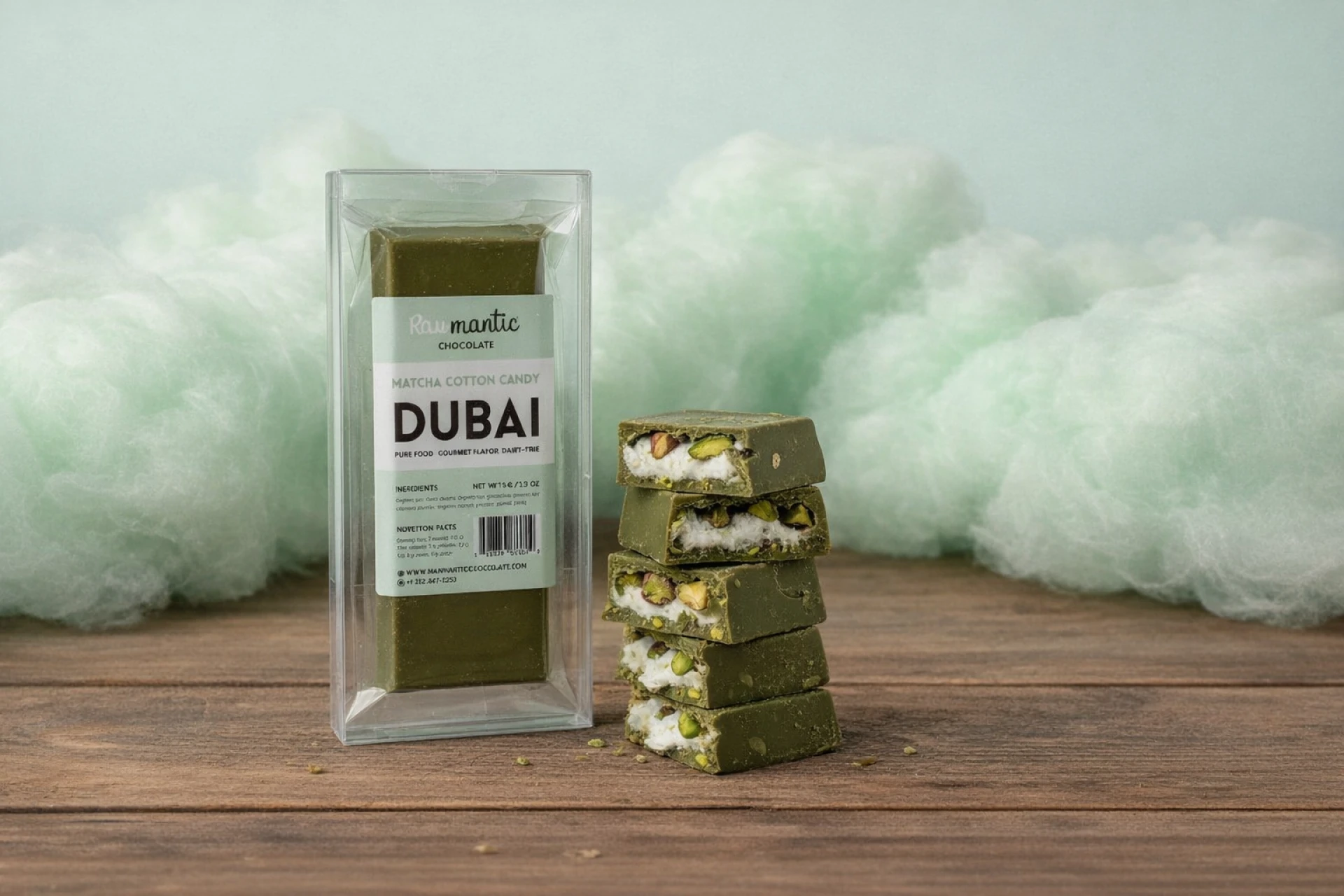
The world of artisanal confectionery continues to expand in remarkable ways, and few combinations have generated as much excitement in recent years as pistachio-knafeh chocolate. This fusion of Middle Eastern pastry tradition and modern chocolate craft has moved from regional specialty to global conversation piece, appearing on the shelves of specialty food stores, social media feeds, and fine-dining menus across multiple continents. This article examines what pistachio knafeh chocolate is, where it comes from, how it is made, and why it has earned a place among the most talked-about gourmet food experiences of the current era.
Understanding the Origins of Knafeh
To fully appreciate pistachio knafeh and chocolate, it is necessary to first understand the dessert tradition that gives it its identity. Knafeh, also spelled kunafa or kanafeh depending on regional variation, is a traditional Middle Eastern sweet with roots stretching back many centuries. Its origins are most commonly traced to the Levant, with countries including Palestine, Lebanon, Jordan, and Syria each claiming deep historical ties to the dish.
At its core, knafeh is built on a combination of shredded wheat pastry dough, known as kataifi, and a soft cheese or cream filling, soaked in a sweet sugar syrup infused with rose water or orange blossom water. The dish is typically baked until golden and served warm, often topped with ground pistachios for color and texture. It is a dessert defined by contrast: the crunch of toasted pastry against the softness of cream and the richness of fat against the floral brightness of syrup.
Over generations, knafeh became deeply embedded in the region's culinary identity. It is served at celebrations, during religious holidays, and as a daily street food in many cities. The pistachio garnish, long associated with wealth and hospitality in Middle Eastern culture, became an inseparable part of its presentation and flavor profile.
The Rise of Knafeh Chocolate
The concept of knafeh chocolate emerged as part of a broader movement in global confectionery that seeks to incorporate culturally significant flavors and textures into chocolate formats. This approach, often referred to as fusion confectionery, brings together the structural and flavor elements of traditional desserts with the versatility and universal appeal of chocolate.
Knafeh chocolate gained significant international attention after videos went viral, showcasing a specific style of chocolate bar from Dubai. These bars featured a filling of shredded kataifi pastry mixed with pistachio cream or paste, encased in a high-quality chocolate shell. The combination of crunchy pastry, nutty pistachio filling, and smooth chocolate created a sensory experience that resonated strongly with food audiences worldwide.
The phenomenon introduced many consumers outside the Middle East to knafeh's flavor profile for the first time while simultaneously offering those familiar with the dessert a new format for experiencing it. The result was a product category that felt both novel and rooted in tradition.
What Makes Pistachio Knafeh Chocolate Distinct
Pistachio knafeh chocolate is distinguished by several defining characteristics that separate it from conventional chocolate confections.
The Role of Kataifi Pastry
The inclusion of kataifi, or shredded wheat pastry, is the most structurally unique element of pistachio knafeh chocolate. When toasted correctly, kataifi develops a brittle, airy crunch that contrasts sharply with the smooth texture of chocolate. This textural complexity is central to the product's appeal. The pastry must be prepared and incorporated with precision, as excess moisture can compromise its crispness and alter the final eating experience.
Pistachio Paste and Its Flavor Contribution
Pistachio paste, made from finely ground roasted pistachios, provides the dominant flavor note in most versions of this product. Pistachios have a naturally sweet, slightly savory, and earthy flavor that pairs exceptionally well with both dark and milk chocolate. The fat content of pistachio paste also contributes to a creamy, smooth mouthfeel in the filling, providing a soft counterpoint to the crunch of the kataifi.
In high-quality preparations, the pistachio content is kept high and free from artificial flavoring. The difference between a product made with genuine pistachio paste and one that uses synthetic flavoring is immediately apparent to the palate.
The Chocolate Shell
The outer chocolate shell serves both structural and flavor functions in pistachio knafeh chocolate. Dark chocolate, with its natural bitterness and complexity, is frequently used because it balances the sweetness of the filling. Milk chocolate versions offer a creamier, more accessible flavor profile. The quality of the chocolate used directly affects the overall result, as low-grade chocolate can overpower the delicate pistachio and pastry notes within.
Producers such as Rawmantic Chocolate™, which use USDA Organic-certified, plant-based ingredients and small-batch production methods, exemplify the craft-focused approach this product category demands. When the chocolate shell is made with the same level of care as the filling, the final product delivers a cohesive, memorable flavor experience.
The Cultural Significance of the Combination
The pairing of Middle Eastern culinary tradition with Western chocolate formats carries cultural weight that extends beyond flavor. Food scholars and culinary historians have noted that fusion products of this kind serve as a form of cultural exchange, introducing unfamiliar flavor traditions to new audiences and creating shared points of reference across different communities.
Knafeh chocolate, in particular, has played a role in increasing the global visibility of Levantine food culture. For diaspora communities, it represents a familiar taste made accessible in a portable, shareable format. For those encountering it for the first time, it serves as an entry point into a broader culinary tradition with centuries of history.
This cultural dimension adds a layer of meaning to the act of consuming pistachio knafeh-chocolate that is absent from many conventional confectionery products. It is a product that carries a story, and that story contributes to its appeal.
Production Standards and Ingredient Quality
The quality of pistachio knafeh and chocolate varies considerably depending on the production standards applied. As the product has grown in popularity, the market has seen an increase in commercially produced versions that cut costs by using artificial flavoring, lower-quality chocolate, and processed pistachio compounds. These versions may approximate the flavor profile of the original but lack the depth and integrity of products made with genuine ingredients.
Consumers and food professionals seeking authentic pistachio knafeh-chocolate are advised to carefully examine ingredient lists. Key indicators of quality include the use of real pistachio paste rather than flavoring, sourcing genuine kataifi pastry, and using chocolate with a clear cacao origin and content declaration.
Artisanal producers who apply the principles of transparency and integrity to their ingredient selection, as Rawmantic Chocolate™ does across its product range, offer a meaningful alternative to mass-produced versions. Their commitment to plant-based, non-GMO, and organic ingredients reflects a production philosophy that serves this product category well.
How Pistachio Knafeh Chocolate Is Enjoyed
Pistachio knafeh chocolate is consumed in various ways, depending on personal preference and cultural context. It is frequently enjoyed at room temperature as a standalone confection, allowing the chocolate shell to provide a satisfying snap before giving way to the creamy pistachio filling and the crunch of the kataifi. Some consumers prefer it slightly chilled, which firms the filling and intensifies the contrast between layers.
It has also become a popular gift item, particularly during festive occasions and holidays. The visual appeal of a well-crafted pistachio knafeh chocolate bar, often dusted with ground pistachios or topped with decorative elements, makes it well-suited for presentation and packaging. Its association with both Middle Eastern hospitality culture and Western chocolate-gifting traditions gives it broad appeal across markets.
In food service settings, pistachio-knafeh chocolate has appeared as a plated dessert, a component of tasting menus, and a featured item at specialty chocolate events and markets.
The Future of Knafeh Chocolate
The trajectory of knafeh and chocolate suggests continued growth and diversification within the specialty food sector. As consumer interest in globally inspired flavors continues to rise and awareness of Middle Eastern culinary traditions expands beyond regional boundaries, demand for well-crafted versions of this product is expected to remain strong.
Innovation within the category is already underway. Producers are experimenting with variations that incorporate different nut pastes, alternative pastry textures, and chocolate types ranging from white to single-origin dark. Vegan and allergen-free versions have also entered the market, responding to the dietary preferences of a growing segment of consumers.
What remains constant across all iterations is the foundational appeal of the combination: the interplay of crunch, cream, nuttiness, and chocolate that makes pistachio knafeh with chocolate one of the most compelling gourmet food developments of recent years. Its roots are in a centuries-old dessert tradition, combined with the accessibility of the chocolate format, positioning it as a product with lasting relevance in the global confectionery landscape.