
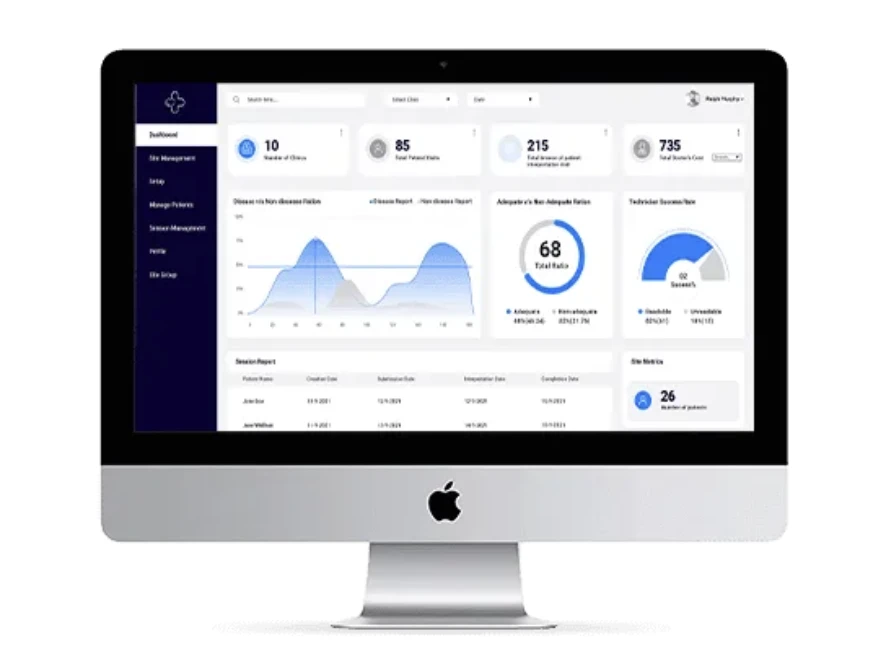
The modern healthcare landscape is rapidly evolving toward a more individualized approach—where treatments, diagnostics, and patient monitoring are precisely tailored to each person. Supporting this revolution are intelligent software platforms capable of integrating diverse data points and delivering deeply customized healthcare experiences.
One of the most transformative features of these systems is their ability to consolidate diverse health data—from genetic profiles and lab diagnostics to imaging results and real-time inputs from wearable devices. By blending these sources into rich, unified patient profiles, clinicians can make better-informed and truly personalized medicine applications' decisions.
At the heart of these platforms lies advanced analytics and machine learning, which uncover patterns, predict risks, and forecast individual responses to treatments. Early detection of potential complications or sensitivities enables preemptive intervention—moving clinical practice from reactive to anticipatory care. Treatment paths can be adjusted based on historical data and predictive insights, promoting more effective outcomes.
A particularly promising application is in precision therapy planning. By leveraging patient-specific factors such as genetic markers, metabolism, age, and comorbidity profiles, personalized algorithms help determine optimal dosages and therapy combinations. This precision minimizes adverse effects while maximizing therapeutic efficacy.
These systems also excel at dynamic monitoring. Seamless integration with wearable sensors and mobile health tools enables continuous tracking of vital signs and behavioral patterns. This real-time health intelligence allows for rapid adjustments to treatment strategies, ensuring that care remains aligned with evolving patient needs and conditions.
Scalability and interoperability are also paramount. Designed with modular architectures and robust data standards, these platforms integrate with various clinical and administrative systems, facilitating seamless information sharing across healthcare ecosystems. Coupled with strong security frameworks, they uphold patient privacy without compromising data accessibility for enhanced care delivery.
In summary, the rise of personalized health solutions innovation marks a shift toward technology-driven, patient-centered care. By merging data integration, predictive modeling, precision dosing, and real-time feedback, these platforms are unlocking smarter, more responsive, and compassionate healthcare solutions—setting new standards for the future of wellness.