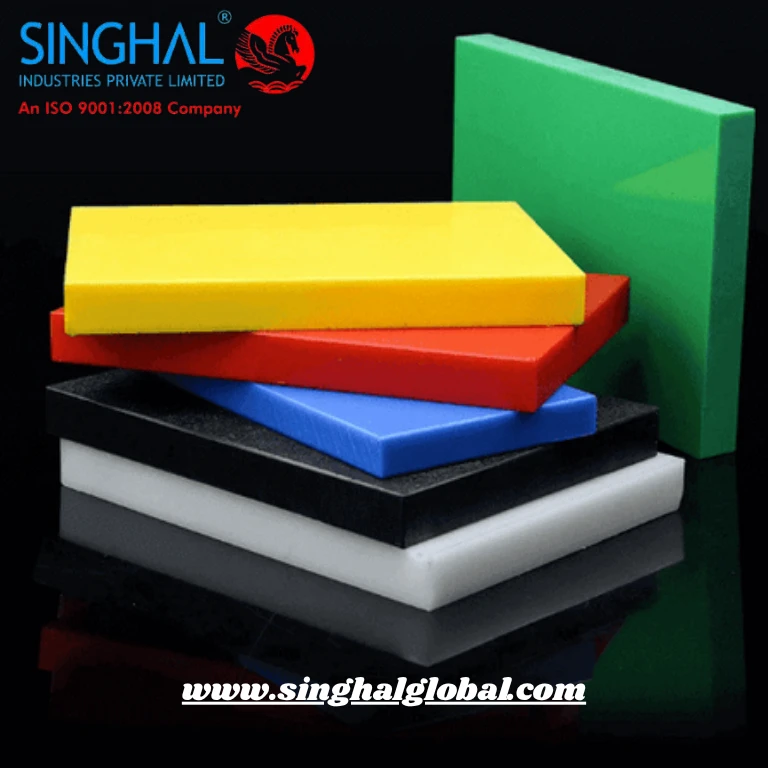
Okay, if you’ve ever had to waterproof a spot, line up a tank, or protect a surface from getting banged up, there’s a fair chance you’ve run across HDPE sheets before. That’s where a 6mm hdpe sheet earns its keep. Things are kind of like the quiet backbone of the construction and farming world. Folks trust them because they’re strong, flexible, and don’t fall apart easily. Doesn’t matter if you need something thin and quick to roll out or a heavy slab to stand up to the worst conditions — there’s probably an HDPE sheet that’ll handle it.
A lot of people get confused about which thickness they should actually go for, though. So let’s try to break that down in simple language and see what’s what.
Why HDPE Stays on Top
Honestly, high-density polyethylene sheets keep showing up everywhere because they’re simple to deal with. They don’t rot like wood, don’t rust like steel, and they laugh off a lot of chemicals that would ruin other stuff. You can leave them out in the sun for ages and they’ll hold up better than cheaper plastics. Another plus is they’re recyclable, so you aren’t sending piles of waste to a landfill when you’re done with them — that makes them a pretty good option for greener-minded projects.
Let’s Look at Some Common Thicknesses
Why folks go with a 5mm Hdpe sheet
If you’re looking for something that’s not a total monster to handle, but still has decent strength, the 5mm hdpe sheet is usually right in the sweet spot. Five millimeters thick gives you good protection against tears or hits, but you can still carry the sheets around without needing a forklift. They’re super common in water tanks, wall covers, warehouse floors, or even food prep places that need a tough, cleanable surface. They don’t crack under moderate pressure and they’re just practical, plain and simple.
When you’d need a 6mm hdpe sheet
Now, say you’ve got a spot where you expect real abuse — maybe heavy foot traffic, dropped tools, or even rough weather beating down. At six millimeters thick, these things are basically tanks in sheet form. They can take repeated pounding, stay flat, and won’t sag if they’re holding up a lot of weight. Folks will use them to line industrial tanks, or lay them on floors that see forklifts rolling over them every day, or even set them up outside as protective barriers.
Yeah, they’re heavier, no question, but most people agree it’s worth it because you hardly ever have to replace them. In the end that saves you money, stress, and time.
Checking the 500 micron hdpe sheet weight
At the other end of the spectrum, you’ve got 500-micron sheets, which are only about half a millimeter thick. These are the go-to for jobs where you just need to protect from light water or mild chemicals, and then pick them up and store them later. They’re super easy to roll up, transport, and unroll on rough or muddy ground.
People ask about the 500 micron hdpe sheet weight all the time, usually so they can plan shipping or figure out how many people they’ll need to install it. You’re talking about something in the ballpark of 450 to 500 grams per square meter, which is light enough for one person to toss in the back of a pickup and haul around without much fuss. A lot of farmers use these thin sheets to line seasonal ponds or to cover up dirt during irrigation, and contractors like them for quick waterproofing before laying concrete or tiles.
Where You See HDPE In Action
Around Construction
Crews on building sites like HDPE because it protects concrete slabs from damp, shields walls from paint or chemicals, and holds up under heavy boots and dropped tools. The thicker grades — like 5 or 6 millimeters — are absolute workhorses there, since they don’t puncture easily and can take whatever a busy site throws their way.
On the Farm
Farmers keep coming back to HDPE sheets because they just work, season after season. They’ll line ponds with them, cover fish tanks, lay them down on greenhouse floors, you name it. HDPE doesn’t get eaten up by fertilizer or sunlight the way other plastics sometimes do, and you can rinse it off and reuse it, which is a money-saver every time.
In Food Facilities
You’ll also see food-grade HDPE sheets in places like storage rooms, packaging zones, or anywhere food gets handled. They’re smooth, non-toxic, easy to wash down, and don’t pick up nasty smells. When you go a bit thicker — like the 5mm hdpe sheet or even thicker — you can scrub them repeatedly without wearing them out. That’s why a lot of commercial kitchens and factories love using HDPE panels.
Choosing What Actually Works
So if you’re trying to figure out what thickness to go with, just think about what kind of beating it’s going to take. A 500-micron sheet is perfect if you want something easy to move, quick to set down, and you’re not worried about it seeing too much abuse.
If you know there’ll be people walking on it or you’ll wash it all the time, five millimeters is a pretty solid middle ground.
And if you really want to cover your bases on a tough job with constant foot traffic or weight, a 6mm hdpe sheet is hard to beat. Also, if you’re worried about too much sunlight or heat, you can always ask for UV-stabilized or flame-resistant options so you don’t have to replace them before their time.
Wrapping It Up
Look, there’s a reason HDPE sheets pop up everywhere. They’re strong, they’re flexible, they’re budget-friendly, and you can recycle them instead of adding more trash to the world.
If you’re lining a pond for just one season, go thin with the 500-micron. If you want something that can handle a little more punishment, stick with five millimeters. For the worst, heaviest jobs, that six-millimeter sheet is the champ.
Before you start, take a minute to picture what’s going to be walking, rolling, or crashing into that sheet, then pick a thickness that can keep up. That way you don’t have to spend extra cash fixing things later — and that’s always good news.
Q1: Who is the largest manufacturer of HDPE sheets?
That would be Singhal Industries Pvt Ltd, no doubt. They’re known for great quality, strong customer support, and a manufacturing setup that people in India and overseas have relied on for years.
Q2: What’s the weight of a 500 micron HDPE sheet per square meter?
You’re looking at roughly 450 to 500 grams per square meter for a 500-micron sheet, which is pretty light and easy to move around.
Q3: Which thickness is best for pond lining?
If you’re doing a quick seasonal pond, 500 micrometers is usually fine. If you think there’ll be rocks, heavy feet, or other damage, step up to five or even six millimeters to be on the safe side.