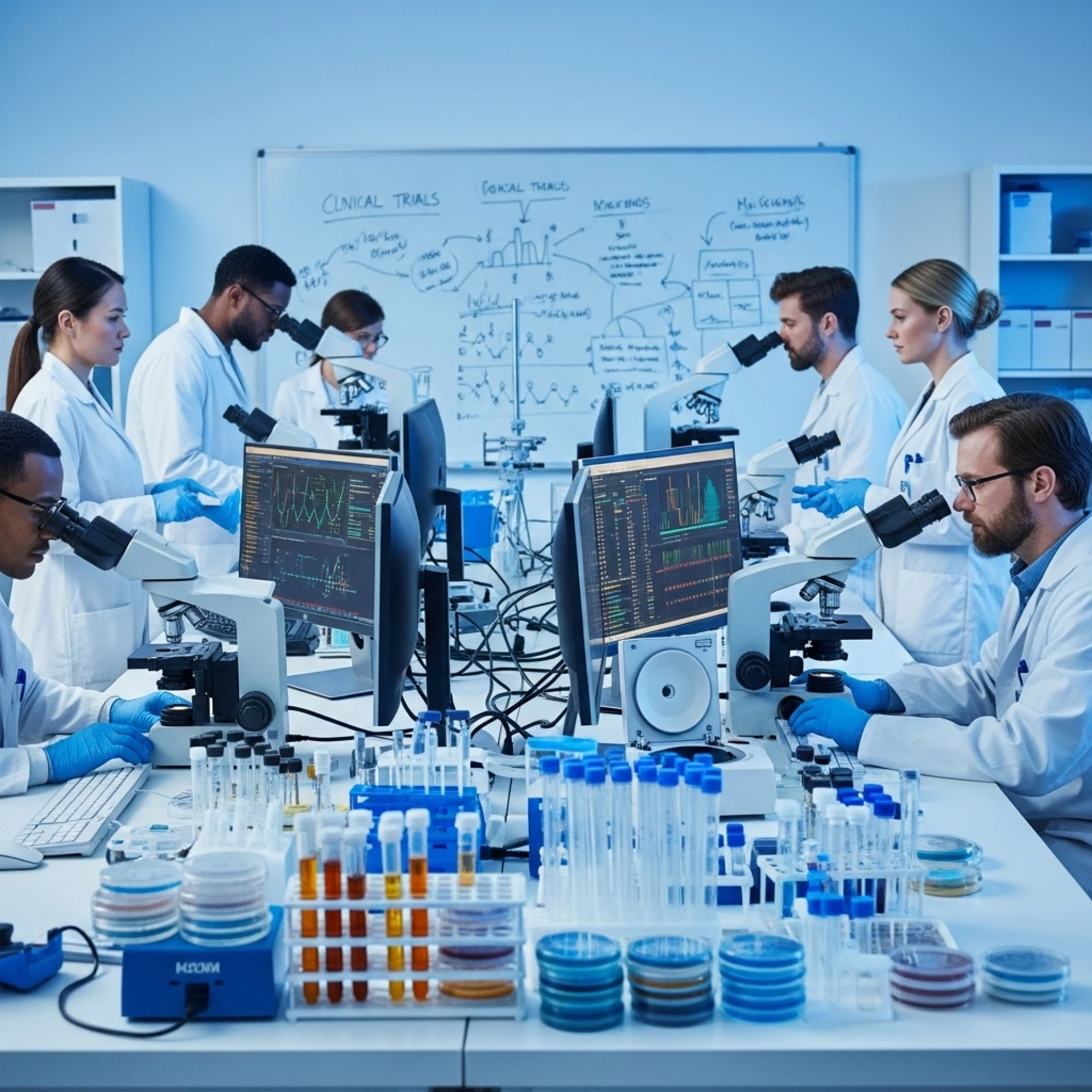
In today’s fast paced scientific world staying ahead requires more than just finishing formal education researchers face new technologies, evolving methodologies and changing regulatory requirements constantly to handle these challenges successfully, continuous learning is essential. Even for those already established in their careers, joining a practical clinical research course can provide fresh insights and equip them with the skills needed to stay relevant lifelong learning is no longer optional it has become a core part of being a successful researcher.
The first step in continuous learning is recognizing which skills need updating science grows quickly and methods that were cutting edge a few years ago may now be outdated researchers need to actively seek knowledge through workshops, webinars and scientific journals these opportunities help them keep up with the latest developments whether in molecular biology, clinical trials, pharmacology or data analysis staying informed ensures that their work remains accurate and effective.
Mentorship also plays a crucial role learning from experienced colleagues gives practical knowledge that goes beyond textbooks conversations with mentors help researchers understand the subtle details of experimental design, interpreting data and ethical considerations working alongside peers exposes researchers to different approaches encouraging creative problem solving when mentorship and collaboration are part of daily work learning becomes natural and continuous.
Attending conferences and seminars is another way to stay current these events offer exposure to recent discoveries and give opportunities to network with other professionals. Presenting research findings improves communication skills and builds confidence many conferences also feature workshops that introduce new software, laboratory techniques or project management tools the knowledge gained at these events often leads to more efficient and effective research outcomes.
Technology has completely changed how researchers learn online platforms provide a wide variety of courses tutorials and interactive content researchers can learn at their own pace revisit complex topics and immediately apply what they learn digital tools also make collaboration across institutions and countries much easier being able to adapt quickly to new technologies is a skill in itself one that sets excellent researchers apart.
Practical experience remains one of the most important aspects of skill development working on laboratory experiments clinical studies and data projects allows researchers to apply theory in real life situations many organizations now offer hands on programs and workshops that focus on skill building structured clinical research training sessions for example provide experience with clinical trial protocols regulatory procedures and patient interactions this type of training builds not only technical skills but also critical thinking and decision making.
Soft skills are just as important as technical expertise communication time management and teamwork are essential for collaborative research projects. Researchers must be able to explain complex concepts to diverse audiences, including policymakers, funding agencies and the general public leadership and project management abilities are increasingly important as projects grow in size and complexity improving these skills ensures researchers can contribute effectively in all areas of their work.
Professional networking and knowledge sharing communities offer tremendous benefits online forums, social media groups and professional associations connect researchers with experts worldwide participating in these communities allows researchers to discuss challenges exchange ideas and stay updated on emerging trends peer reviews joint publications and collaborative projects help refine methodologies and expand professional networks being part of a learning community encourages continuous growth.
Self reflection is another key part of learning researchers should regularly assess their strengths, weaknesses and interests identifying skill gaps allows them to choose the right workshops or training sessions reviewing project results journaling experiences and seeking feedback from mentors encourages thoughtful reflection this approach helps researchers set goals track progress and stay motivated on their lifelong learning journey.
Support from institutions can make a big difference organizations that promote continuous education provide resources and recognize achievements create an encouraging environment for researchers funding for workshops access to journals and time allowances for learning initiatives show that the institution values professional growth with this support researchers can balance ongoing projects with learning without feeling overwhelmed.
In the end research is evolving rapidly and success depends on a commitment to learning and improving skills by combining education hands on experience soft skills and engagement with peers researchers can stay ahead workshops seminars and specialized training programs provide the practical tools needed to grow choosing the right programs actively participating in projects and learning from mentors all contribute to professional development being part of a respected clinical research institute gives researchers access to guidance resources and a supportive network helping them reach their full potential while making meaningful contributions to science.