Women experience unique physical challenges throughout every stage of life—from puberty and pregnancy to menopause and ageing. Physiotherapy for women’s health has emerged as an essential approach to prevent, manage, and treat these conditions through safe, science-backed, and personalised techniques. By improving mobility, reducing pain, and enhancing overall quality of life, women’s health physiotherapy empowers women to maintain long-term wellbeing.
Understanding Women’s Health Physiotherapy
Women’s health physiotherapy focuses on conditions that specifically affect the female body, particularly the pelvic floor, reproductive system, musculoskeletal health, and hormonal transitions. These issues often remain undiagnosed or untreated because women may feel hesitant to seek help or assume symptoms are normal.
Key Benefits of Women’s Health Physiotherapy
1. Pelvic Floor Strengthening and Control
Pelvic floor dysfunction is common after childbirth, heavy lifting, or hormonal changes. Physiotherapy helps restore muscle strength, reduces urinary leakage, improves bladder control, and enhances sexual function.
2. Pain Relief for Pregnancy and Postpartum Recovery
During pregnancy, women often experience back pain, hip pain, and pelvic girdle discomfort. Physiotherapists use safe manual therapy, supportive taping, and exercise modifications to relieve pain and prepare the body for labour. Postpartum care focuses on abdominal separation (diastasis recti), pelvic stability, and regaining strength.
3. Hormonal and Menopausal Support
Menopause brings joint stiffness, muscle weakness, and decreased bone density. Physiotherapy encourages mobility, reduces chronic pain, supports balance, and helps prevent osteoporosis through guided strength training.
4. Better Posture and Musculoskeletal Health
Many women experience postural issues due to daily activities, breastfeeding, desk work, or repetitive chores. Physiotherapy corrects posture, enhances spinal alignment, and reduces chronic neck and back pain.
5. Enhanced Overall Wellness
By improving strength, flexibility, circulation, and relaxation, physiotherapy supports emotional wellbeing and boosts confidence during major life transitions.
Effective Physiotherapy Techniques for Women
Pelvic Floor Training
These exercises strengthen deep pelvic muscles. Biofeedback tools may be used to measure muscle response, ensuring proper technique for long-term improvement.
Manual Therapy and Joint Mobilisation
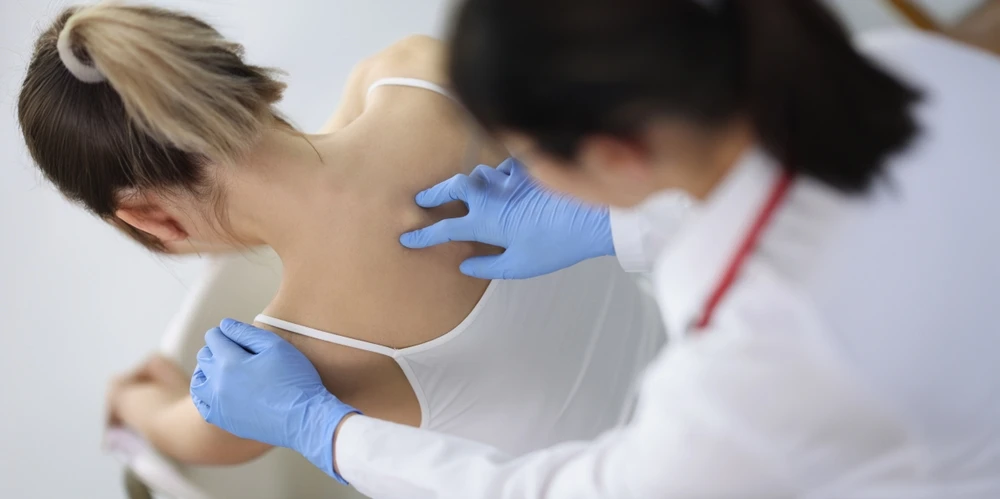
Gentle hands-on techniques help relieve tightness, restore joint movement, and reduce pain caused by musculoskeletal conditions or pregnancy-related strain.
Therapeutic Exercise Programs
Customised exercise routines target core stability, hip mobility, breathing mechanics, and postural alignment, supporting functional strength and endurance.
Breathing and Relaxation Training
Diaphragmatic breathing helps calm the nervous system, improve pelvic floor control, and support labour preparation.
Electrotherapy and TENS
These techniques help manage pain, reduce inflammation, and support muscle recovery during postpartum or menopausal phases.
Conclusion
Physiotherapy for women’s health is a powerful, evidence-based way to address concerns that affect millions of women but often go untreated. With personalised assessment, proven therapeutic techniques, and holistic guidance, women’s health physiotherapy helps women regain comfort, confidence, and control over their bodies at every stage of life.