
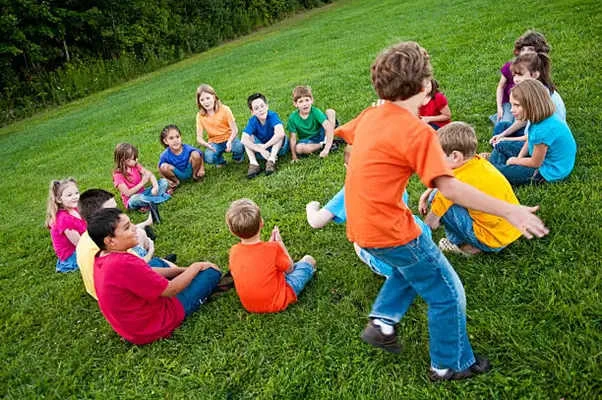
Physical games for preschoolers are an important part of early childhood development. These activities combine movement with play and learn methods, helping children grow stronger while enjoying fun activities every day.
Why Physical Games Are Important
Active play helps children develop essential motor skills like running, jumping, and balancing. These movements improve coordination, strength, and overall health.
In addition, physical games support brain development, social skills, and emotional growth. Children learn teamwork, sharing, and problem-solving through engaging preschool activities.
Best Outdoor Games for Preschoolers
Outdoor play allows children to explore freely and enjoy energetic outdoor games.
1. Tag Games
Running and chasing improve speed, reflexes, and coordination.
2. Hopscotch
This classic game builds balance, counting skills, and body control.
3. Relay Races
Team-based races encourage teamwork and make great family activities.
4. Obstacle Courses
Simple setups with jumping, crawling, and climbing help strengthen muscles and coordination.
Outdoor play helps children stay active and develop confidence in a natural environment.
Indoor Activities for Preschoolers
When outdoor play isn’t possible, children can still enjoy active indoor activities.
1. Freeze Dance
Dance to music and freeze when it stops great for focus and fun.
2. Balloon Games
Keeping a balloon in the air improves hand-eye coordination.
3. Animal Walks
Move like animals frog jumps or bear crawls to build strength and creativity.
4. Simon Says
A fun listening game that improves attention and following directions.
These activities for kids ensure movement and excitement even indoors.
Fun Family Activities to Try
Physical games are perfect for bonding through family activities:
- Playing catch or kicking a ball
- Dancing together at home
- Going for nature walks
- Playing “follow the leader”
These shared moments encourage childhood playing and healthy habits.
Benefits of Physical Games
Including physical play in daily routines offers many benefits:
- Improves motor skills and coordination
- Builds confidence and independence
- Encourages social interaction
- Supports physical and mental health
- Helps children stay active and happy
Active play also improves memory, creativity, and emotional expression.
Tips for Engaging Kids in Physical Play
To make kids activities near me more effective and enjoyable:
- Keep activities simple and fun
- Use safe play areas
- Mix indoor and outdoor games
- Encourage participation from all children
- Focus on fun rather than competition
Play and Learn Every Day
Physical games show that learning doesn’t have to be boring. When children engage in play and learn activities, they develop important skills naturally while having fun.
Conclusion
Physical games for preschoolers are essential for healthy growth and development. Whether through outdoor games, indoor activities, or family activities, children learn valuable skills while staying active.
By including fun activities in daily routines, parents and teachers can create a positive environment where kids grow, learn, and enjoy every moment.