Dental care is an important part of keeping dogs and cats healthy, yet pet owners often overlook it. As animals grow older, many develop plaque, gum inflammation, and other oral problems. These conditions can cause discomfort, affect eating habits and make everyday activities less enjoyable. One challenge is that pets cannot tell us when their mouths hurt. Some keep eating even when they have sore gums or damaged teeth, so the problem may go unnoticed. A simple dental care routine, regular observation and professional veterinary advice can help protect your pet's oral health. Here are some practical pet dental care tips every dog and cat owner should know.
Start Dental Care at an Early Age
Introducing dental care during puppyhood or kittenhood helps young pets become comfortable with having their mouths handled. Begin by gently touching the lips and cheeks for a few seconds, then gradually introduce contact with the teeth and gums. Keep each session short and offer praise so your pet associates the experience with something positive. Young animals have baby teeth that are eventually replaced by permanent teeth. This transition is a good time to build oral hygiene habits, but check with a vet if you notice persistent redness, bleeding, or discomfort. Adult pets can also learn to accept toothbrushing with patience and gradual introduction.
Brush Your Pet's Teeth Regularly
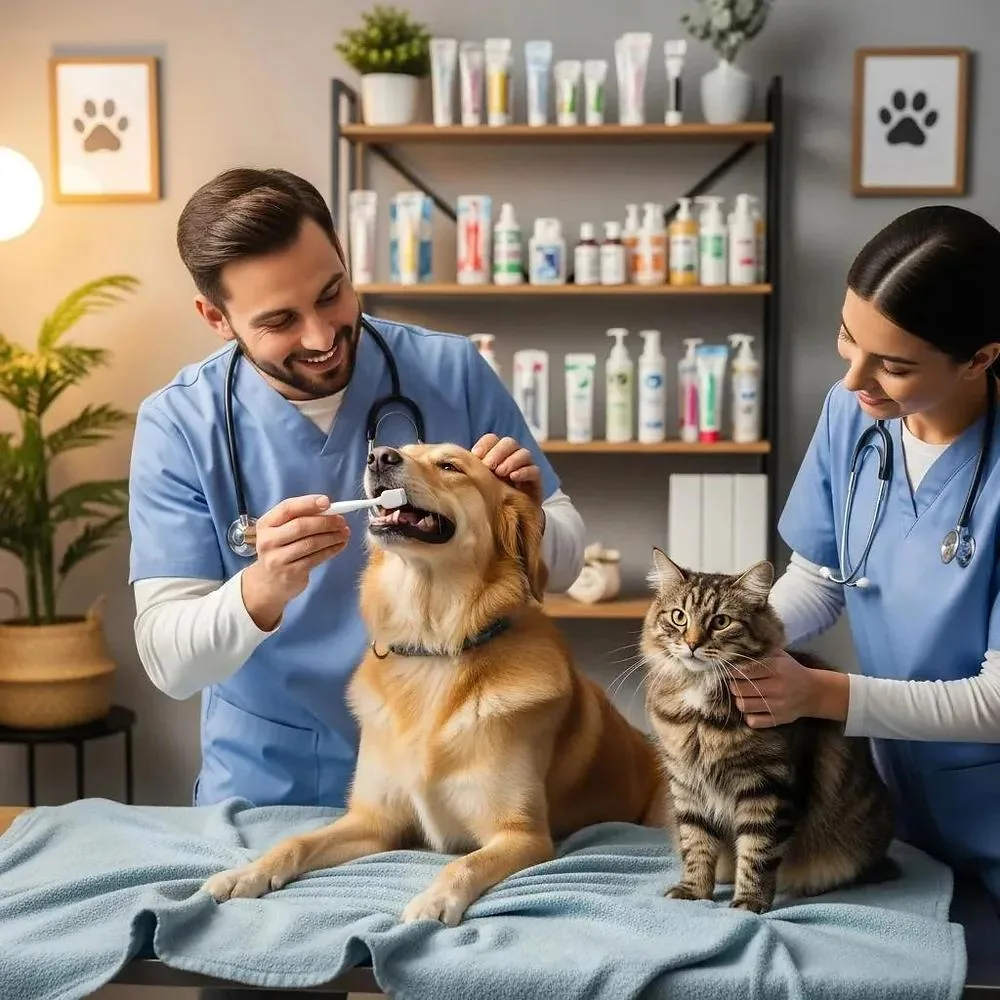
Toothbrushing is one of the most useful ways to control plaque before it hardens into tartar. Use a soft toothbrush designed for pets and gently clean the outer surfaces of the teeth, where plaque commonly collects. Daily brushing is a good goal when your pet accepts it comfortably, but even a gradual routine can help improve oral hygiene. Do not force the toothbrush into your pet's mouth if it becomes frightened or distressed. Start with brief contact and increase the time as your dog or cat becomes more comfortable. If brushing remains difficult, ask your vet about other suitable dental care options.
Use Toothpaste Made Specifically for Pets
Choosing the correct toothpaste is just as important as using the right toothbrush. Human toothpaste is not suitable for dogs or cats because it may contain ingredients that animals should not swallow. Some products contain xylitol, which is particularly dangerous to dogs. Pet toothpaste comes in flavours designed to make brushing more acceptable to animals. Use a small amount as directed and choose a formula recommended by your veterinary professional. Never use household dental products or mouthwash as a substitute for pet toothpaste.
Choose Suitable Dental Chews and Toys
Dental chews can support oral hygiene by helping reduce plaque through chewing action. However, not every chew is appropriate for every animal. Choose products designed for your pet's species, size and chewing habits, and supervise your pet while it uses them. Dogs may benefit from suitable dental chews, while cats can use approved dental products designed for feline oral care. Avoid very hard objects such as bones, antlers and hard plastic toys, as they can fracture teeth. Give dental treats in appropriate quantities so they don't contribute to excess calorie intake.
Look for Early Signs of Dental Problems
Pets often hide oral discomfort, so owners should watch for small changes. Persistent bad breath, red or swollen gums, excessive drooling and visible tartar may indicate a dental problem. You might also notice your pet chewing on one side, dropping food or avoiding harder meals. Some animals become less interested in play or react when you touch their face. Don't dismiss these signs as normal ageing. Schedule a veterinary exam if you notice changes in your pet's mouth or eating habits, even if it is still eating.
Understand Common Dental Problems in Dogs and Cats
Dental disease can affect pets at different ages, and the condition may become more serious without treatment. Plaque is a soft bacterial film that forms on teeth, while tartar develops when plaque hardens. If bacteria and inflammation affect the gums and supporting tissues, periodontal disease can develop. Cats can also experience tooth resorption, a painful condition in which a tooth's structure gradually breaks down. Dogs may develop fractured teeth, gum disease and other oral conditions. These problems need veterinary assessment because home brushing cannot repair damaged teeth or treat advanced disease.
Arrange Regular Veterinary Dental Check-Ups
Home brushing helps, but it does not replace professional dental examinations. During a routine check-up, your vet can examine the teeth and gums for signs of inflammation, tartar, loose teeth or other concerns. Some problems occur below the gum line, where they cannot be seen during an ordinary visual examination. Booking regular dental check-ups at a trusted veterinary clinic in Singapore helps you catch these problems early and plan suitable care. If your vet recommends professional cleaning, they can explain the procedure and whether dental X-rays are needed. Dental cleaning for dogs and cats is generally performed under general anaesthesia so the teeth and areas beneath the gums can be properly examined and treated. The timing depends on your pet's individual oral health.
Pay Attention to Your Pet's Diet and Eating Habits
A balanced diet supports your pet's overall health, including the tissues in its mouth. Some specially formulated veterinary dental diets have been designed to help reduce plaque or tartar, but ordinary dry food does not automatically clean teeth. Your vet can help determine whether a dental diet suits your dog or cat. Watch how your pet eats and whether it shows discomfort during meals. A sudden preference for soft food, difficulty chewing or dropping food may indicate oral pain. Don't assume changing food will solve the problem, as damaged teeth or gum disease may require professional treatment.
Final Thoughts
Good dental care helps dogs and cats stay comfortable and maintain healthy teeth and gums. Regular brushing, suitable dental products and attention to changes in eating habits all play an important role in oral hygiene. Remember, home care cannot replace veterinary examinations, especially when dental disease is already present. Start with small daily habits and speak with your vet whenever you notice signs of discomfort or changes in your pet's mouth.
FAQs
1. How Often Should I Brush My Dog's or Cat's Teeth?
Daily toothbrushing is a useful goal for both dogs and cats when they accept it comfortably. Use a pet-specific toothbrush and toothpaste, and introduce the routine gradually.
2. Can I Use Human Toothpaste on My Pet?
No, human toothpaste is not suitable for dogs or cats because some ingredients can be harmful if swallowed. Always choose toothpaste specifically formulated for pets.
3. What Are the First Signs of Dental Disease in Pets?
Persistent bad breath, red gums, drooling and changes in eating behaviour can be early warning signs. A veterinary examination can help identify the cause and recommend suitable treatment.
4. Do Pets Need Professional Dental Cleaning?
Some dogs and cats need professional dental cleaning when plaque, tartar or gum disease develops. Your vet can examine your pet and advise when treatment is necessary.
5. How Often Should My Pet Have a Dental Check-Up?
Most healthy dogs and cats benefit from an oral examination during their routine yearly check-up. Pets with existing dental problems, as well as young and senior animals, may need more frequent reviews, so ask your vet for a suitable schedule.
6. Does Dry Food Clean My Pet's Teeth?
No, ordinary dry food does not automatically clean teeth. Some veterinary dental diets are designed to help reduce plaque or tartar, but they support rather than replace brushing and professional check-ups.