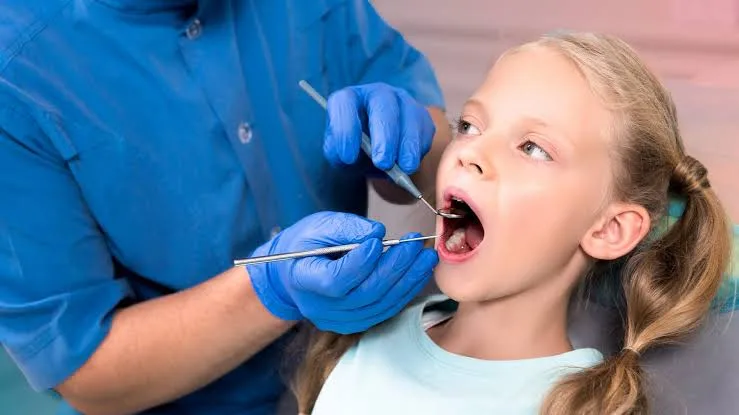
A child's oral health plays an important role in overall growth, development, nutrition, and confidence. Healthy primary teeth help children chew food comfortably, develop clear speech, and maintain the necessary space for permanent teeth. Establishing good dental habits early can reduce the risk of cavities and other oral health problems as children grow. Choosing a qualified Pediatric Dentist in Dubai helps parents access dental care that considers the unique needs of infants, toddlers, children, and teenagers.
Children's teeth require special attention because their oral structures are continuously developing. Primary teeth have thinner enamel than permanent teeth, making them more vulnerable to tooth decay. Regular dental examinations, preventive treatments, and age-appropriate oral hygiene guidance can help maintain healthy teeth and gums throughout childhood.
When Should Children Visit a Dentist?
A child's first dental visit should generally take place by their first birthday or within six months after the first tooth appears, whichever comes first. Early visits allow dental professionals to examine developing teeth, assess gum health, and identify potential concerns before they become more complicated.
During the initial appointment, parents can learn about proper brushing techniques, feeding habits, teething discomfort, and cavity prevention. These visits also help children become familiar with the dental environment, making future appointments more comfortable.
As children grow, routine dental checkups help monitor tooth development, jaw growth, and bite alignment. The frequency of appointments depends on individual oral health needs and the dentist's recommendations.
Common Dental Treatments for Children
Children may require different dental treatments depending on their age, oral health, and developmental stage. Preventive dentistry is an important part of maintaining healthy smiles and reducing the likelihood of future dental complications.
Professional dental cleaning helps remove plaque and deposits that regular brushing may not completely eliminate. Fluoride treatments can strengthen tooth enamel and improve resistance to acid attacks that contribute to cavities. Dental sealants may also be recommended to protect the grooves of permanent molars, where food particles and bacteria can accumulate.
When cavities develop, dental fillings may be needed to restore affected teeth. Tooth-coloured fillings are commonly considered for restoring the appearance and function of damaged areas. For deeper decay affecting the pulp of a primary tooth, a pulpotomy may be recommended when appropriate.
Depending on the extent of tooth damage, crowns may also be used to protect weakened primary teeth. Options can include stainless steel, zirconia, or other suitable paediatric dental restorations.
Preventing Tooth Decay in Children
Tooth decay is one of the most common oral health concerns during childhood. Frequent consumption of sugary snacks, sweetened drinks, and poor brushing habits can increase the risk of cavities. Preventive care begins with simple daily routines that support healthy teeth.
Parents should supervise brushing until children develop the coordination needed to clean their teeth effectively. Brushing twice daily with an age-appropriate amount of fluoride toothpaste is generally recommended. Flossing should begin when neighbouring teeth touch.
A balanced diet also contributes to good oral health. Encouraging children to eat fruits, vegetables, dairy products, and other nutritious foods can support healthy dental development. Limiting frequent sugary snacks and avoiding prolonged exposure to sweetened drinks can help reduce cavity risk.
Regular checkups with a Pediatric Dentist in Dubai can identify early signs of tooth decay and provide personalised preventive recommendations based on a child's dental needs.
Managing Dental Anxiety and Building Positive Experiences
Some children may feel nervous about visiting a dentist, particularly during their first appointment. A child-friendly dental environment and gentle communication can help reduce anxiety and encourage cooperation.
Behaviour management techniques are often used to make dental appointments more comfortable. These may include positive reinforcement, simple explanations, tell-show-do techniques, and gradual familiarisation with dental instruments.
For children who require more extensive treatment or have difficulty cooperating, additional approaches may be considered after evaluating their individual needs. Nitrous oxide sedation may be an option in selected cases, following an appropriate assessment and safety protocols.
Creating positive dental experiences during childhood can encourage children to maintain regular dental visits as they become older.
Monitoring Jaw Development and Early Orthodontic Concerns
Dental development involves more than the appearance of individual teeth. Jaw growth, tooth eruption, and bite alignment are also important aspects of childhood oral health. Certain orthodontic concerns can become noticeable during the early developmental years.
Crowded teeth, spacing problems, crossbites, and unusual jaw relationships may require professional evaluation. Early orthodontic assessments help identify developing concerns and determine whether monitoring or interceptive treatment is appropriate.
Some children may benefit from early orthodontic approaches, including appliances designed to guide dental development. Myobrace may also be considered in selected cases as part of an individualised treatment plan. The suitability of these options depends on the child's age, dental development, and clinical condition.
Establishing Healthy Dental Habits at Home
Parents play an important role in developing lifelong oral hygiene habits. Making brushing a regular part of the morning and bedtime routine helps children understand the importance of dental care.
Young children often need assistance to brush all tooth surfaces properly. Using a soft-bristled toothbrush, fluoride toothpaste in an age-appropriate quantity, and gentle circular movements can help maintain healthy teeth and gums.
Parents should also encourage children to drink water regularly and choose nutritious snacks. Avoiding frequent sugary foods between meals can support better oral health. Replacing toothbrushes when bristles become worn and maintaining regular dental appointments are equally important.
Conclusion
Healthy childhood smiles begin with early prevention, regular dental examinations, and consistent oral hygiene habits. From the first dental visit to cavity treatment, fluoride applications, and developmental assessments, children's dental care supports healthy teeth and proper oral development. Consulting a Pediatric Dentist in Dubai helps parents understand their child's individual dental needs and choose suitable preventive or restorative treatments. Positive dental experiences during childhood can also build confidence and encourage healthy habits that continue into adulthood.