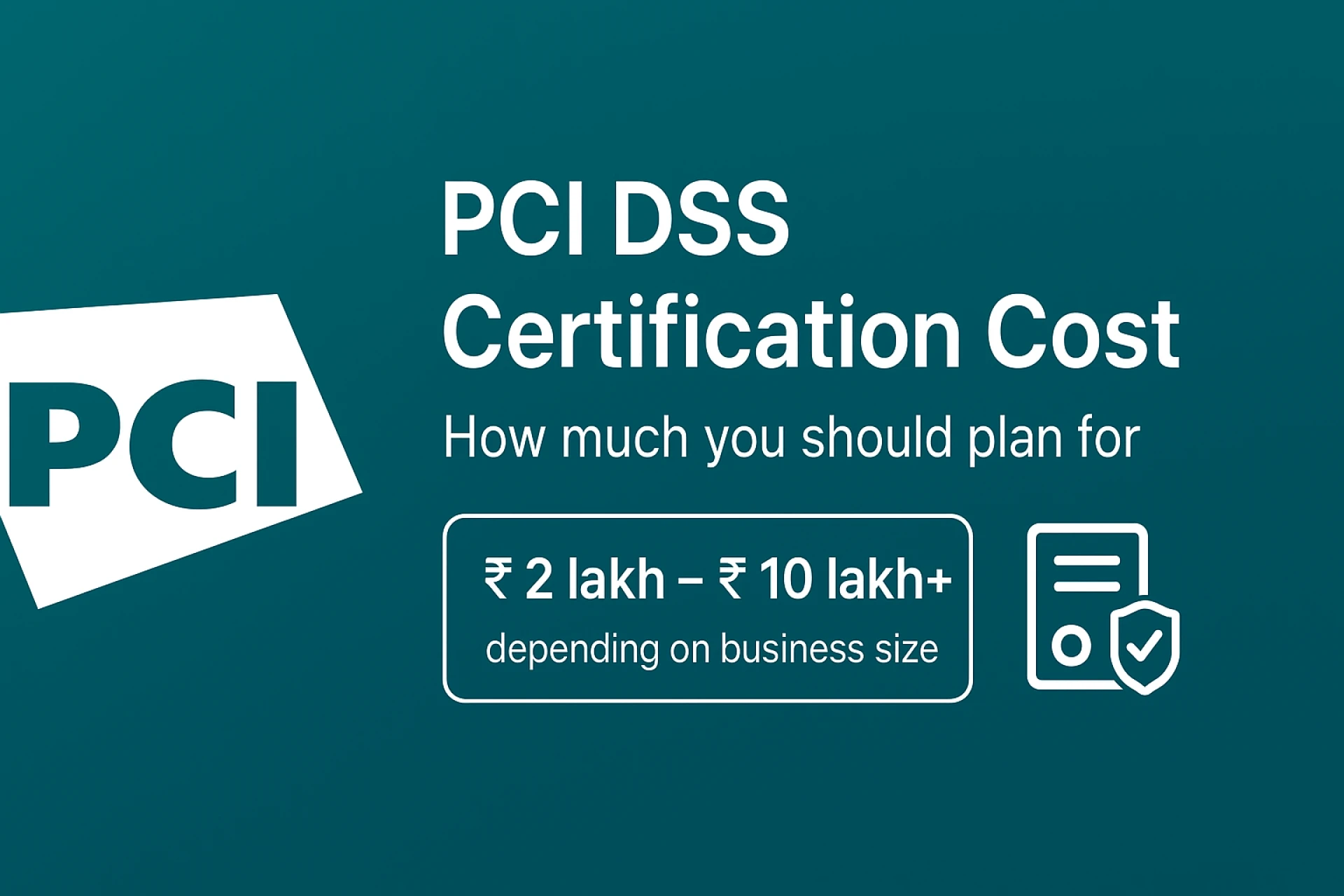
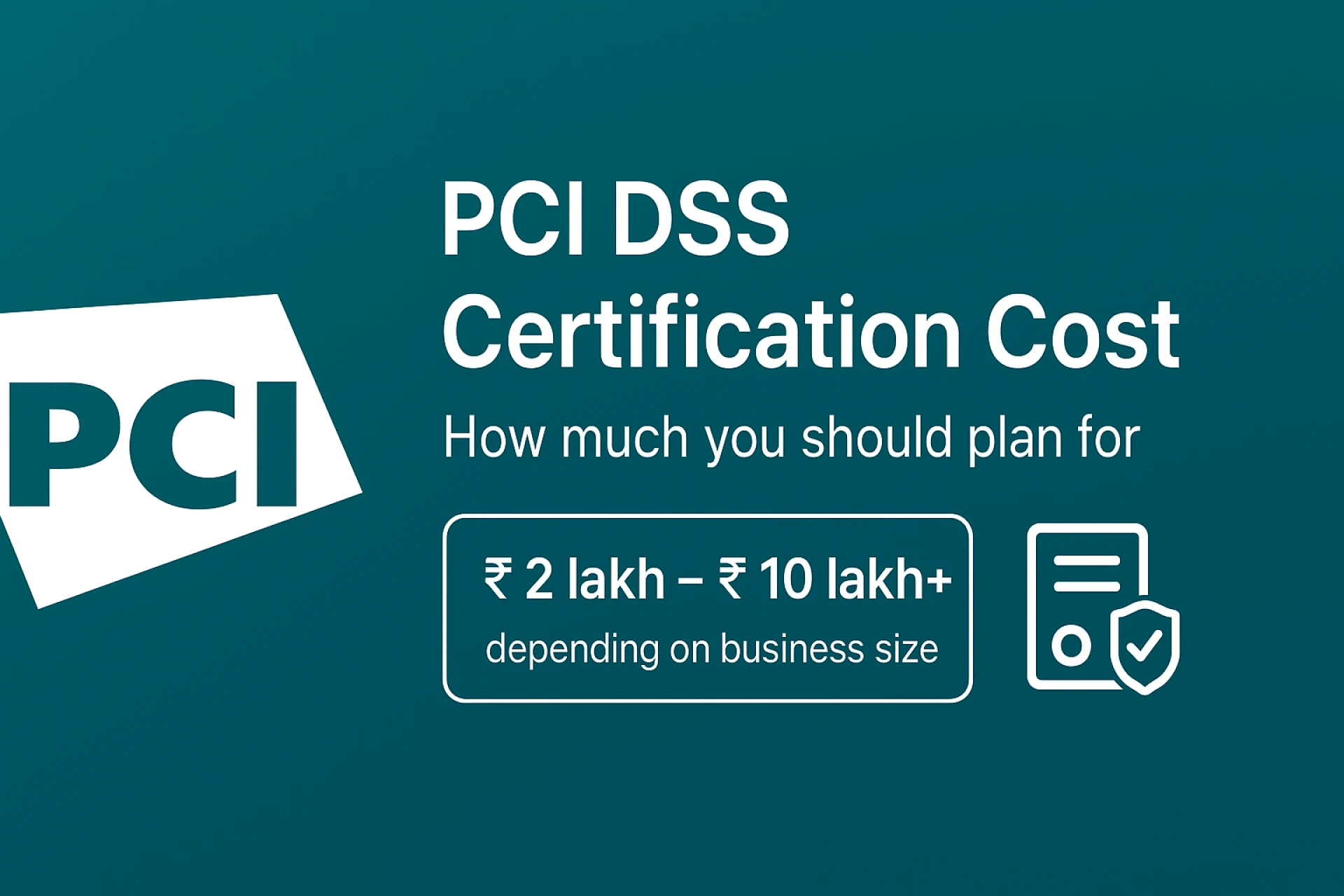
If your business accepts, processes, stores, or transmits credit card information, you've likely heard of PCI DSS. The Payment Card Industry Data Security Standard is a set of security requirements designed to ensure that all companies that handle card data maintain a secure environment. But one of the biggest questions businesses have is: what is the actual PCI DSS certification cost?
The answer isn't a simple number. The price can range from a few thousand dollars to well over six figures. This article will break down the factors that influence PCI DSS pricing, explore the different expenses involved, and provide tips to manage your compliance budget effectively.
What Factors Influence PCI DSS Compliance Expenses?
Understanding the cost of PCI DSS compliance begins with recognizing that it's not a one-size-fits-all expense. Several key factors directly impact the final price tag for your organization.
1. Business Size and Transaction Volume
The size of your business and the volume of card transactions you process annually are primary cost drivers. The PCI Security Standards Council categorizes merchants into four levels based on their transaction volume:
• Level 1: Merchants processing over 6 million card transactions annually.
• Level 2: Merchants processing 1 to 6 million transactions annually.
• Level 3: Merchants processing 20,000 to 1 million e-commerce transactions annually.
• Level 4: Merchants processing fewer than 20,000 e-commerce transactions or up to 1 million other transactions annually.
Level 1 merchants face the most rigorous and expensive requirements, including an annual Report on Compliance (ROC) conducted by a Qualified Security Assessor (QSA). Smaller businesses (Levels 2-4) can often complete a Self-Assessment Questionnaire (SAQ), which is a more cost-effective option.
2. Scope of Your Cardholder Data Environment (CDE)
Your Cardholder Data Environment includes all the people, processes, and technologies that store, process, or transmit cardholder data. The larger and more complex your CDE, the more you will spend on securing it.
For example, a small online store using a third-party payment processor has a very narrow scope. In contrast, a large corporation with multiple retail locations, call centers, and complex internal networks has a much wider scope. Reducing the scope of your CDE by isolating payment systems is a key strategy for lowering compliance expenses.
3. Your Current Security Posture
The gap between your existing security measures and the 12 requirements of PCI DSS will significantly affect your costs. If you already have robust security practices, your investment will be lower. However, if your infrastructure lacks firewalls, encryption, access controls, or activity logging, you will need to invest in new tools, technologies, and processes. This can include expenses for:
• Firewall and network security upgrades
• Data encryption solutions
• Vulnerability scanning tools
• Security Information and Event Management (SIEM) systems
• Employee security awareness training
A Breakdown of Common PCI DSS Certification Costs
The overall PCI DSS pricing is a sum of several distinct expenses. Let's explore the most common costs you can expect.
Auditing and Assessment Fees
This is often the most direct cost associated with certification.
• Qualified Security Assessor (QSA) Audit: For Level 1 merchants, hiring a QSA to perform a ROC is mandatory. This can cost anywhere from $15,000 to $100,000 or more, depending on the complexity of your environment.
• Self-Assessment Questionnaire (SAQ): While the questionnaire itself is free, many smaller businesses hire consultants to help ensure they complete it correctly. This can range from $1,000 to $10,000.
• Vulnerability Scans: PCI DSS requires quarterly network scans by an Approved Scanning Vendor (ASV). Annual costs for these scans typically range from $500 to $2,000.
Remediation and Technology Costs
This is where the bulk of the budget is often spent. If your assessment reveals security gaps, you must fix them. Remediation costs can include:
• Hardware and Software: Purchasing new firewalls, servers, or security software.
• System Re-Configuration: Investing man-hours or consultant fees to reconfigure systems to meet PCI standards.
• Data Storage Solutions: Implementing secure solutions for storing sensitive data.
Ongoing Maintenance and Training
PCI DSS compliance is not a one-time project; it's an ongoing commitment. You must budget for continuous maintenance, including:
• Annual Assessments: The audit or SAQ process must be repeated every year.
• Regular Scans: Quarterly ASV scans and penetration testing are recurring expenses.
• Employee Training: Security awareness training for employees who handle cardholder data is a continuous requirement.
Tips for Managing Your PCI DSS Certification Cost
While compliance requires investment, there are smart ways to manage the expenses without cutting corners on security.
• Reduce Your Scope: The most effective way to lower costs is to minimize the scope of your CDE. Use solutions like tokenization and point-to-point encryption (P2PE) to keep cardholder data out of your systems entirely.
• Leverage PCI-Compliant Service Providers: Partner with third-party payment gateways, hosting providers, and other vendors who are already PCI compliant. This can significantly offload your security burden.
• Plan Ahead: Don't wait until the last minute. Start your compliance journey early to give yourself time to identify gaps and budget for remediation without rush fees.
• Integrate Security into Your Culture: Make security a core part of your business operations, not just an annual checklist item. Ongoing training and awareness can prevent costly breaches and simplify audits.
Ultimately, viewing the PCI DSS certification cost as an investment rather than an expense is the right approach. The cost of non-compliance—including hefty fines, reputational damage, and lost business—far outweighs the price of achieving and maintaining a secure environment. By understanding the factors involved and planning strategically, you can protect your customers and your business effectively.