A paycheck stub is a crucial document that provides detailed information about an employee’s earnings, deductions, and net pay. Whether you are an employer issuing pay stubs or an employee receiving them, understanding how paycheck stubs work is essential for financial planning, tax purposes, and proof of income.
In this guide, we’ll cover everything you need to know about paycheck stubs, including why they matter, what information they contain, and how you can generate one easily.
What is a Paycheck Stub?
A paycheck stub, also known as a pay stub, is a document that accompanies a paycheck and outlines an employee’s earnings and deductions. It serves as a record of income and is essential for tax filings, loan applications, and personal budgeting.
Why Are Paycheck Stubs Important?
✔ Proof of Income – Pay stubs verify your earnings for landlords, lenders, and financial institutions.
✔ Tax Compliance – Helps in filing accurate tax returns and ensuring correct withholdings.
✔ Financial Tracking – Provides a clear breakdown of earnings, deductions, and net pay.
✔ Employment Verification – Used by employers and employees for official documentation.
Key Components of a Paycheck Stub
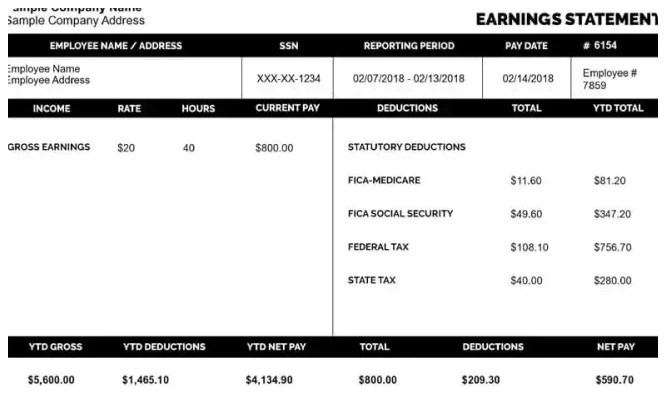
A paycheck stub typically contains the following details:
1. Employee Information
- Full Name
- Employee ID (if applicable)
- Address
2. Employer Information
- Company Name
- Business Address
- Contact Details
3. Pay Period & Payment Date
- The specific date range the paycheck covers (weekly, biweekly, monthly).
- The date when the paycheck was issued.
4. Gross Pay
- The total earnings before deductions.
- Includes salary, hourly wages, overtime pay, bonuses, and commissions.
5. Deductions
- Federal Taxes – Withholdings for federal income tax.
- State Taxes – If applicable in your state.
- Social Security & Medicare (FICA Taxes) – Required contributions.
- Health Insurance Premiums – If deducted through payroll.
- Retirement Contributions – 401(k) or other savings plans.
6. Net Pay (Take-Home Pay)
- The amount the employee receives after deductions are taken out of the gross pay.
How to Read Your Paycheck Stub
To avoid financial surprises, it’s important to review your paycheck stub regularly. Here’s what you should check:
📌 Confirm Personal Details – Ensure your name, address, and employee ID are correct.
📌 Verify Hours Worked – If you’re paid hourly, check that your total hours are accurate.
📌 Check Gross Pay vs. Net Pay – Understand how much is deducted and why.
📌 Review Tax Withholdings – Make sure the correct amount is being taken out for taxes.
📌 Look at Benefit Deductions – If you have insurance or retirement plans, confirm the deductions align with your expectations.
Common Mistakes on Paycheck Stubs
🚨 Incorrect Hours or Overtime – Always check your reported hours and overtime pay.
🚨 Wrong Tax Withholdings – Mistakes in federal or state tax withholdings can lead to unexpected tax bills.
🚨 Misclassified Employment Status – Contractors and employees have different tax obligations.
🚨 Missing Deductions or Benefits – Ensure all elected benefits are correctly deducted.
How to Generate a Paycheck Stub
If you’re a freelancer, contractor, or small business owner, you may need to create your own paycheck stubs. Here are the best ways to do so:
1️⃣ Use a Free Paystub Generator – Online tools can create professional pay stubs instantly.
2️⃣ Payroll Software – Business owners can automate paycheck stub generation using payroll software.
3️⃣ Manual Templates – Spreadsheets or pre-made templates allow you to enter details manually.
Where to Get a Free Paycheck Stub
There are several free paycheck stub generators available online that provide easy-to-use templates. These tools help you create accurate pay stubs without hidden fees.
Popular options include:
- PayStubs.net
- 123PayStubs
- Check Stub Maker
- Wave Payroll
Conclusion
Understanding your paycheck stub is crucial for managing your finances, filing taxes correctly, and verifying income. Whether you’re an employee checking your pay stub or a business owner creating one, knowing how to read and generate accurate paycheck stubs is essential.
Always review your paycheck stub for accuracy and ensure all deductions, taxes, and payments are correctly recorded. If you notice any errors, contact your employer or payroll provider immediately.