
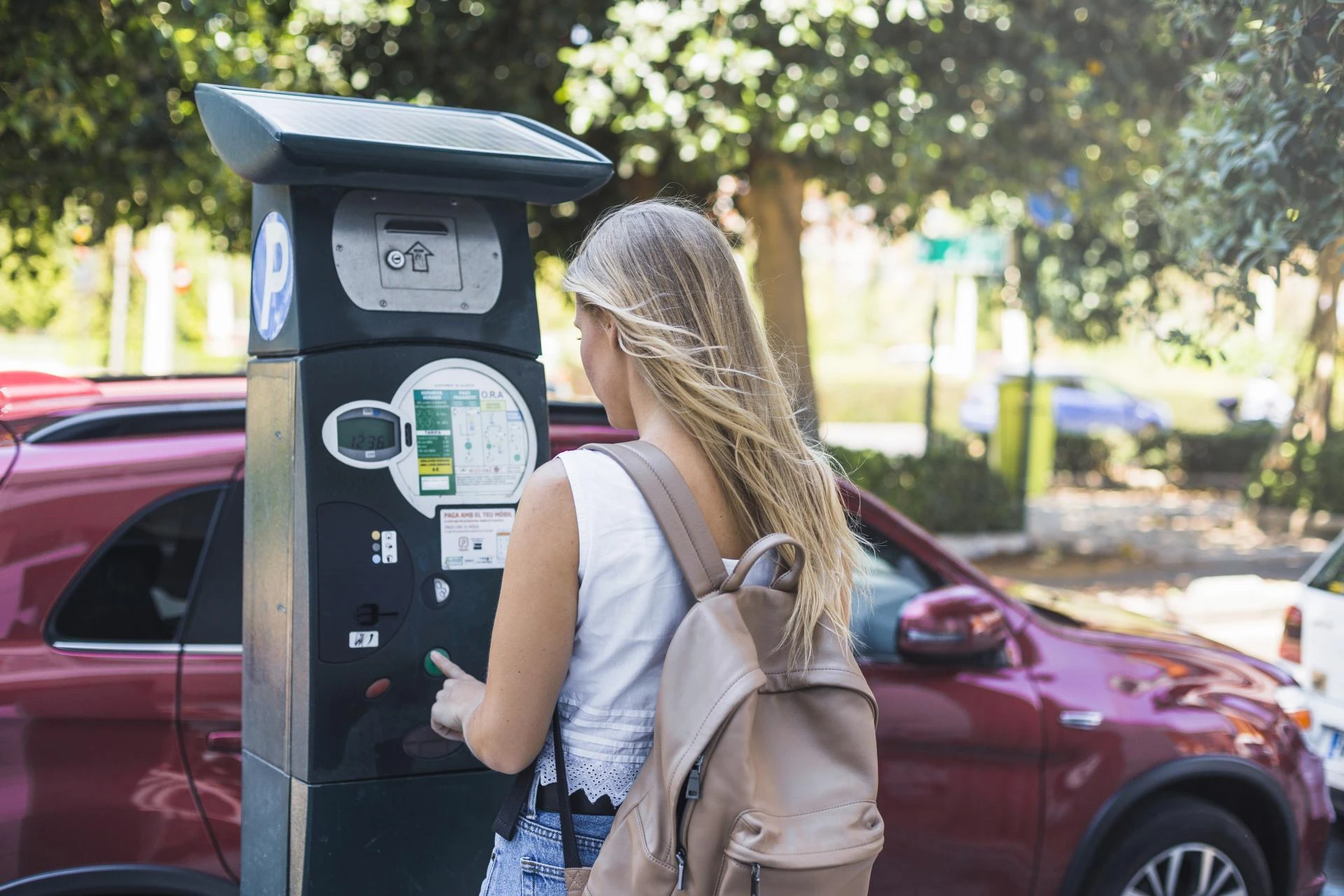
Parking operations are no longer about offering sufficient space to vehicles. They play a direct part in improving customer satisfaction, revenue growth, and operational control. While urban traffic increases, the digital expectations also grows making it important for operators to rethink the way payments get collected and managed.
Following the right technology can have a direct impact on profits, efficiency, and long-term scalability, making parking payment systems an integral part of business decisions.
Understanding Today’s Parking Revenue Challenges
There are a number of challenges that parking operators deal with that silently shrink their revenues and strain their operations. A lot of these problems can be attributed to processes that are obsolete, low visibility, and customer friction.
- Revenue leakage issues
- Unmonitored cash payments, unpaid overstays, and errors on spreadsheets decrease the total collections and complicate the process of reporting the revenues at various parking sites.
- Limited system visibility
- The absence of real-time data does not allow proactive decisions, and the smart parking payment system allows one to see, in real-time, the utilization, compliance, and performance gaps.
- High operating costs
- The high costs of hardware maintenance, cash handling, and staffing demands are costly and take the attention of the management away from enhancing the overall parking experience.
- Payment experience friction
- Delayed or complex payment procedures deter adherence, and innovative parking payment solutions enable a lower degree of abandonment and enhance consumer confidence.
- Poor enforcement alignment
- Lack of connectivity of enforcement tools causes conflicts, lapsed violations, and mixed compliance that eventually affect revenue and efficiency of operations.
Best Ways to Select Parking Payment Systems
When choosing the appropriate payment technology, it cannot be limited to comparing the charges per transaction or the hardware capabilities.
Evaluate user convenience
Payment compliance and repeat usage are directly influenced by convenience. Simple flow of payment, user-friendly interfaces, and different payment methods minimize frustration and time loss. Properly designed parking payment systems enable drivers to make transactions fast and without misunderstanding, which results in increased usage rates, reduced cases of dropped sessions, and increased general satisfaction among the daily and occasional parkers.
Assess operational control
Effective management tools make the day-to-day business easier and enhance control. Automated reporting, central dashboards, and remote configuration minimise errors and manual effort. Improved control enables the teams to track performance in different locations, change pricing with ease, and solve problems more quickly, which leads to improved workflow and reduced administrative load on operational personnel.
Prioritize system intelligence
High intelligence will make it possible to make a decision in advance, but not to repair the damage. A smart parking payment system is based on real-time data, notifications, and analytics to find patterns, early detection of problems, and optimize the pricing or enforcement strategy. This intelligence assists the operators to maximize the revenue, and at the same time ensure a steady service delivery across various parking areas and demand levels.
Ensure scalability readiness
The parking business develops through growth, modification of regulations, or new mobility patterns. Scalable systems enable expansion without significant reinvestment or replacement of the system. Flexible architecture, easy location onboarding, and cloud-based architecture make sure that the system is easily adjusted as the portfolio expands or operational requirements change over time.
Review integration capabilities
The seamless integration enhances the parking ecosystem. The efficient parking payment solutions are integrated with the enforcement systems, access control systems, accounting systems, and third-party systems. Powerful integrations minimize manual reconciliation, enhance compliance accuracy, and establish a single environment of operation, which facilitates long term efficiency and information-based decision making.
Conclusion
Parking decisions on technology do not just affect transactions. They determine the stability of revenues, clarity in operation, and preparedness. Reflective analysis assists the operators to come out of the short term solutions to sustainable expansion. With the ever-changing expectations, the investment in flexible and data-driven parking payment systems will help to enhance performance, enhance experiences, and confidence in operations over the long term in various parking settings.