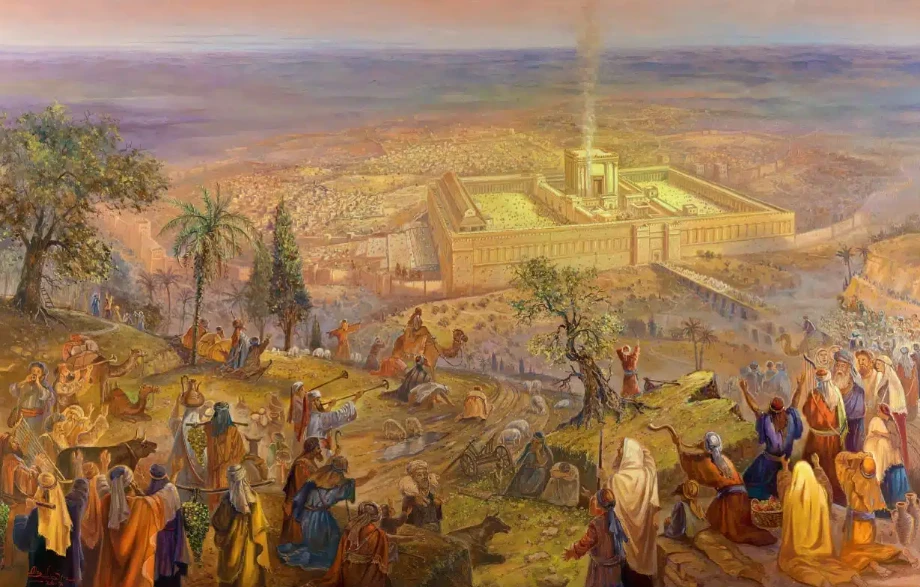
The enduring appeal of paintings of jerusalem lies in their ability to capture both physical place and emotional presence. Jerusalem is not only a city of stone and history, but a living symbol layered with memory and meaning. Artists who depict Jerusalem often focus on atmosphere rather than exact geography. This approach allows viewers to connect personally with the work. Jerusalem art has evolved across generations while maintaining a strong connection to tradition. Early works often emphasized architectural detail and recognizable landmarks. Contemporary artists, however, frequently explore mood, light, and abstraction. This shift reflects a desire to express the inner experience of the city.
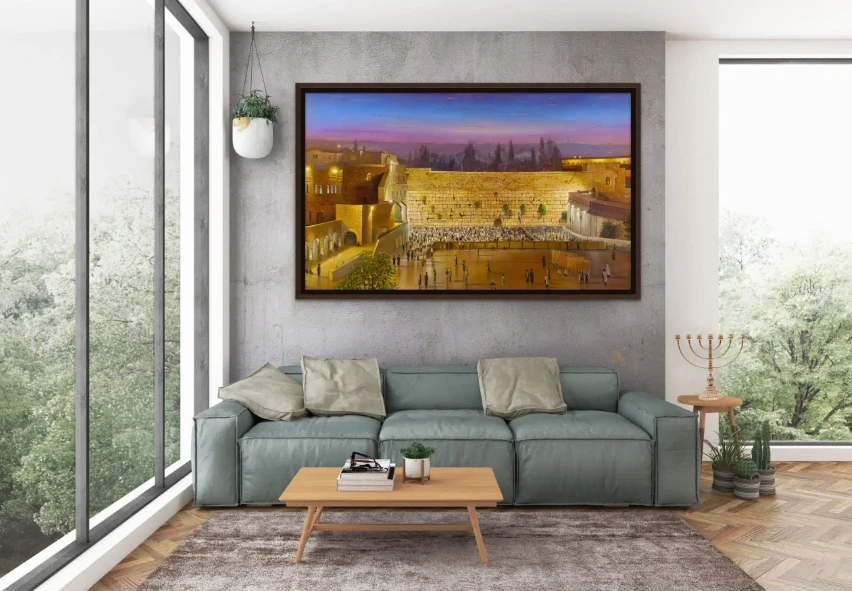
Collectors are drawn to Jerusalem paintings because the subject carries universal resonance. Themes of continuity, faith, and resilience speak across cultures and backgrounds. Displayed in a home or office, these works create a space for reflection. Over time, the artwork becomes part of daily life. Artists working with Jerusalem themes often use restrained color palettes inspired by stone, sky, and earth. Subtle variations in tone help convey depth and quiet movement. Texture plays an important role in adding dimension. These elements work together to create visual harmony. Modern interpretations of Jerusalem art often blend abstraction with symbolic reference. Rather than depicting a specific street or structure, artists suggest presence through form and rhythm. This approach keeps the artwork timeless. It allows the city to exist as an idea rather than a fixed image. Collectors appreciate how Jerusalem artwork integrates into both traditional and contemporary interiors. Its visual language is flexible without losing meaning. Whether placed in a minimalist space or a more classic setting, the art remains grounded. This versatility contributes to its lasting popularity.
Original Jerusalem paintings offer tactile depth that responds to changing light throughout the day. Fine art prints provide accessibility while preserving compositional integrity. Both formats allow collectors to engage with the artwork on their own terms. Quality and intention remain central. As part of a broader collection, Jerusalem art often serves as an anchor. It connects other works thematically and emotionally. The city’s imagery provides context and continuity. This cohesion strengthens the overall collection. The significance of Jerusalem art often deepens over time as personal experiences evolve. Viewers bring new perspectives to the artwork as their relationship with the city changes. This ongoing dialogue keeps the art alive. It continues to resonate beyond its initial impression. Jerusalem paintings are frequently chosen to mark meaningful life moments or spiritual milestones. Their presence offers quiet support rather than dramatic statement. Over years of viewing, emotional associations grow. The artwork becomes part of personal history.
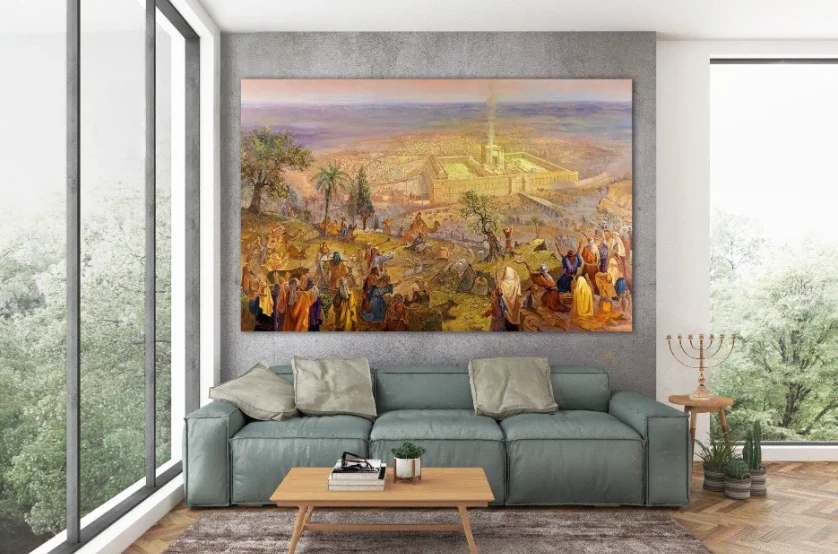
The global appreciation for Jerusalem-themed art reflects a broader desire for meaningful visual culture. Collectors increasingly seek work that offers depth rather than novelty. Jerusalem paintings fulfill this need by combining history, emotion, and artistic restraint. They invite contemplation rather than consumption. As contemporary artists continue to interpret Jerusalem through diverse styles, the tradition remains dynamic. Each new work contributes a fresh voice while honoring shared memory. This balance ensures relevance for future generations. Jerusalem continues to speak through art. Collectors often describe Jerusalem paintings as works that invite slow engagement. Rather than demanding attention, they reward repeated viewing. Subtle details and tonal shifts emerge over time. This quality makes the artwork feel enduring rather than momentary. Jerusalem art also functions as a bridge between personal memory and collective history. For some viewers, it recalls lived experience, while for others it represents aspiration or connection. This openness allows the artwork to speak across backgrounds. Its meaning remains fluid and personal. As more collectors seek art with emotional substance, Jerusalem paintings continue to resonate. They offer stability in an ever-changing visual culture. The artwork remains grounded while allowing interpretation. This balance supports long-term relevance.