
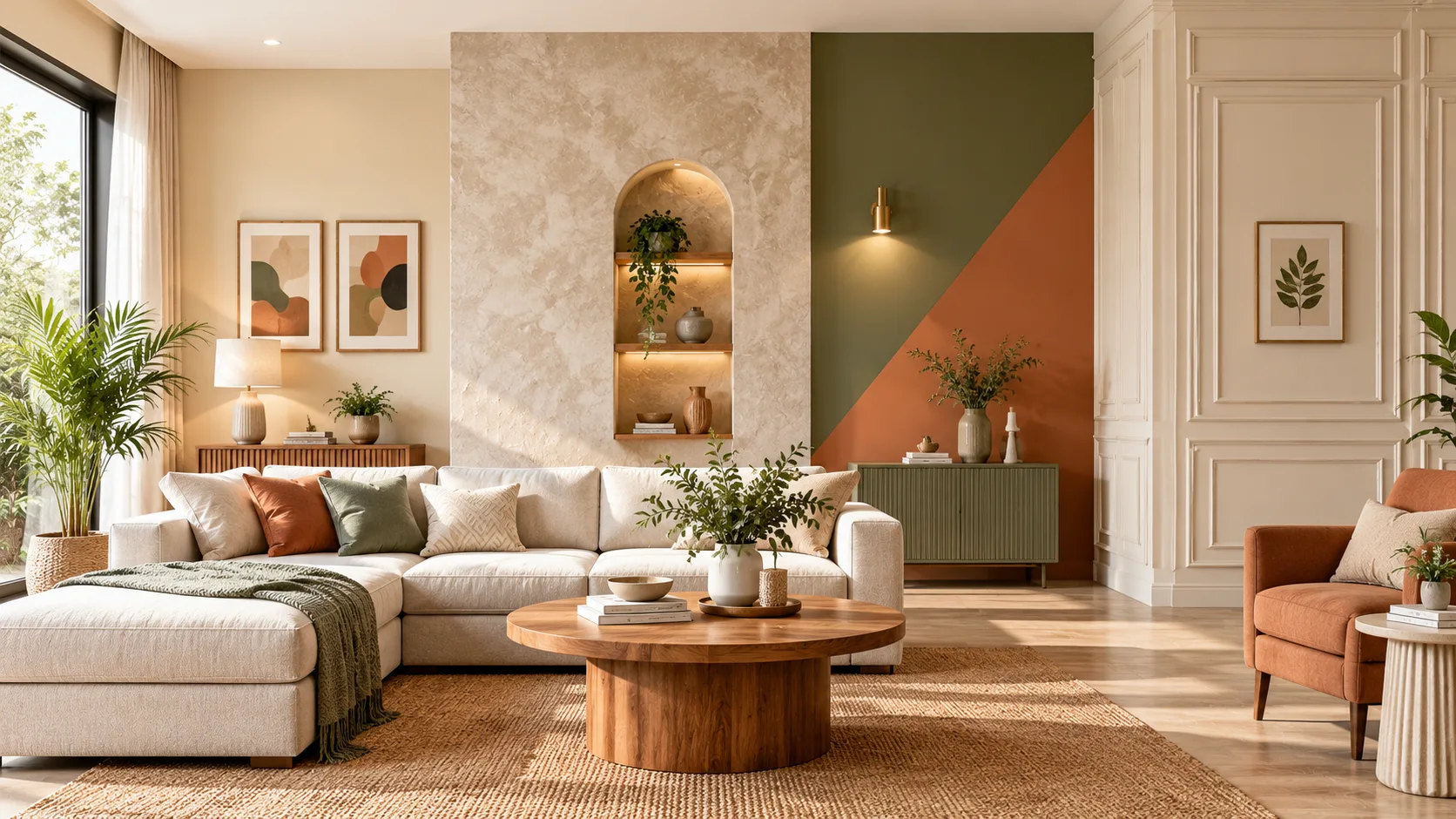
The right combination of color and sheen can change how a room feels without moving a single piece of furniture. Painting & Wall Finishes ideas range from a simple matte repaint to layered textures like limewash or Venetian plaster, and choosing well depends on the room, the light it gets, and how much wear the walls take. This guide breaks down the finishes, the decisions, and the costs so you can plan a project that actually holds up.
What Are Wall Finishes, and Why Do They Matter?
A wall finish is the final surface texture and sheen applied to a wall — it's the combination of paint type, sheen level, and any decorative texture (like plaster, limewash, or wallpaper) that determines how light reflects off the surface and how durable it is. Wall finishes matter because they affect three things directly: appearance (how colors and imperfections show), durability (how well the surface resists scuffs, moisture, and cleaning), and maintenance (how easy it is to wipe down or touch up over time).
What Is the Difference Between Paint Finish and Wall Finish?
A paint finish refers specifically to the sheen level of the paint itself — matte, eggshell, satin, semi-gloss, or gloss. A wall finish is the broader term that includes paint finish plus any additional surface treatment, such as textured plaster, stucco, wood paneling, or decorative techniques like sponging or color washing. In short: every paint finish is a type of wall finish, but not every wall finish involves paint alone.
What Are the Main Types of Paint Finishes?
Each Painting & Wall Finishes option balances shine against durability and hiding power. Here's a quick comparison:
FinishSheen LevelBest UseDurabilityCleanabilityMatte/FlatNoneCeilings, low-traffic bedroomsLowLowEggshellSlightLiving rooms, dining roomsMediumMediumSatinSoft glowHallways, kids' rooms, living roomsMedium-HighHighSemi-GlossNoticeable shineKitchens, bathrooms, trimHighVery HighHigh-GlossMirror-likeDoors, cabinets, accent trimVery HighVery HighQuick takeaways:
- Matte finishes hide wall imperfections best but scuff easily.
- Satin and semi-gloss resist moisture and are easier to wipe clean.
- Higher sheen reflects more light and highlights surface flaws, so wall prep matters more as gloss increases.
Which Wall Paint Finish Is Best for a Living Room?
Eggshell or satin finishes are best for a living room because they offer a soft, low-glare look while still standing up to everyday touching, light cleaning, and moderate foot traffic. Living rooms see enough activity — kids, pets, furniture contact — that a pure matte finish can scuff or stain faster than most homeowners expect, but they don't need the high shine or heavy-duty cleanability of a kitchen or bathroom finish. If the living room gets strong natural light, satin is often preferred because it adds subtle depth without glare; in dimmer rooms, eggshell keeps the look soft while still being washable.
How Do You Choose the Right Finish for Each Room?
- Bedrooms: Matte or eggshell for a cozy, low-glare look.
- Living rooms: Eggshell or satin for balance of style and durability.
- Kitchens: Semi-gloss for grease and moisture resistance.
- Bathrooms: Semi-gloss or satin to handle humidity.
- Hallways and kids' rooms: Satin for scuff resistance and easy cleanup.
- Trim, doors, and cabinets: Semi-gloss or high-gloss for a crisp, durable edge.
What Are Popular Painting & Wall Finishes Ideas Beyond Flat Paint?
If a single flat color feels too plain, consider these approaches, which are among the most searched Painting & Wall Finishes ideas for 2025–2026 home updates:
- Accent walls – One wall in a bold color or deep tone to anchor a room.
- Limewash paint – A mineral-based finish with soft, cloudy texture, popular for a European, organic look.
- Venetian plaster – Polished, marble-like texture applied in thin layers, often used in entryways or feature walls.
- Textured rollers or stencils – Adds subtle pattern without full wallpaper commitment.
- Two-tone walls – Splitting a wall horizontally with two colors or a color and a stained wood panel.
- Wallpaper accents – Combined with paint on adjoining walls for contrast.
Is Low-VOC or Zero-VOC Paint Worth It?
Yes — low-VOC and zero-VOC paints are generally worth the modest price difference because they release fewer volatile organic compounds into indoor air, which can otherwise contribute to headaches, respiratory irritation, and long-term air quality issues, especially in poorly ventilated rooms. According to the U.S. Environmental Protection Agency, levels of many VOCs can be significantly higher indoors than outdoors, and some compounds continue to off-gas well after paint has dried. For nurseries, bedrooms, and homes with limited airflow, choosing a certified low-VOC product is a practical, low-cost way to improve indoor air quality without compromising on color or finish options, since most major paint lines now offer low-VOC versions across all sheens.
How Much Does It Cost to Repaint or Refinish a Room?
Costs vary by room size, paint quality, and whether you hire a professional or do it yourself:
- DIY, single room (paint + supplies): Roughly $50–$200, depending on room size and paint quality.
- Professional painting, single room: Roughly $300–$800, including labor and materials.
- Specialty finishes (limewash, plaster, Venetian plaster): Often $5–$15+ per square foot due to skilled labor and material cost.
- Whole-house interior repaint: Can range widely, typically $2,000–$6,000+ for an average-sized home with standard paint.
Textured and decorative finishes cost more upfront but often last longer between refreshes than flat paint in high-traffic areas.
Common Mistakes to Avoid
- Skipping primer on new drywall or heavily patched walls, which causes uneven sheen.
- Using flat paint in high-traffic zones, leading to visible scuffing within months.
- Ignoring humidity levels when choosing a bathroom or kitchen finish.
- Ventilating poorly during and after painting, especially with standard (non-low-VOC) products.
- Choosing a finish based only on trend photos without testing it under the room's actual lighting.
Final Takeaway
Good Painting & Wall Finishes choices come down to matching sheen and texture to how a room is actually used — durability and cleanability for high-traffic spaces, softer matte or eggshell for calm, low-traffic rooms, and specialty textures like limewash or plaster where you want a statement feature. For most living rooms, satin or eggshell strikes the best balance between style and everyday wear, while low-VOC options are worth prioritizing for indoor air quality regardless of which finish you choose.