
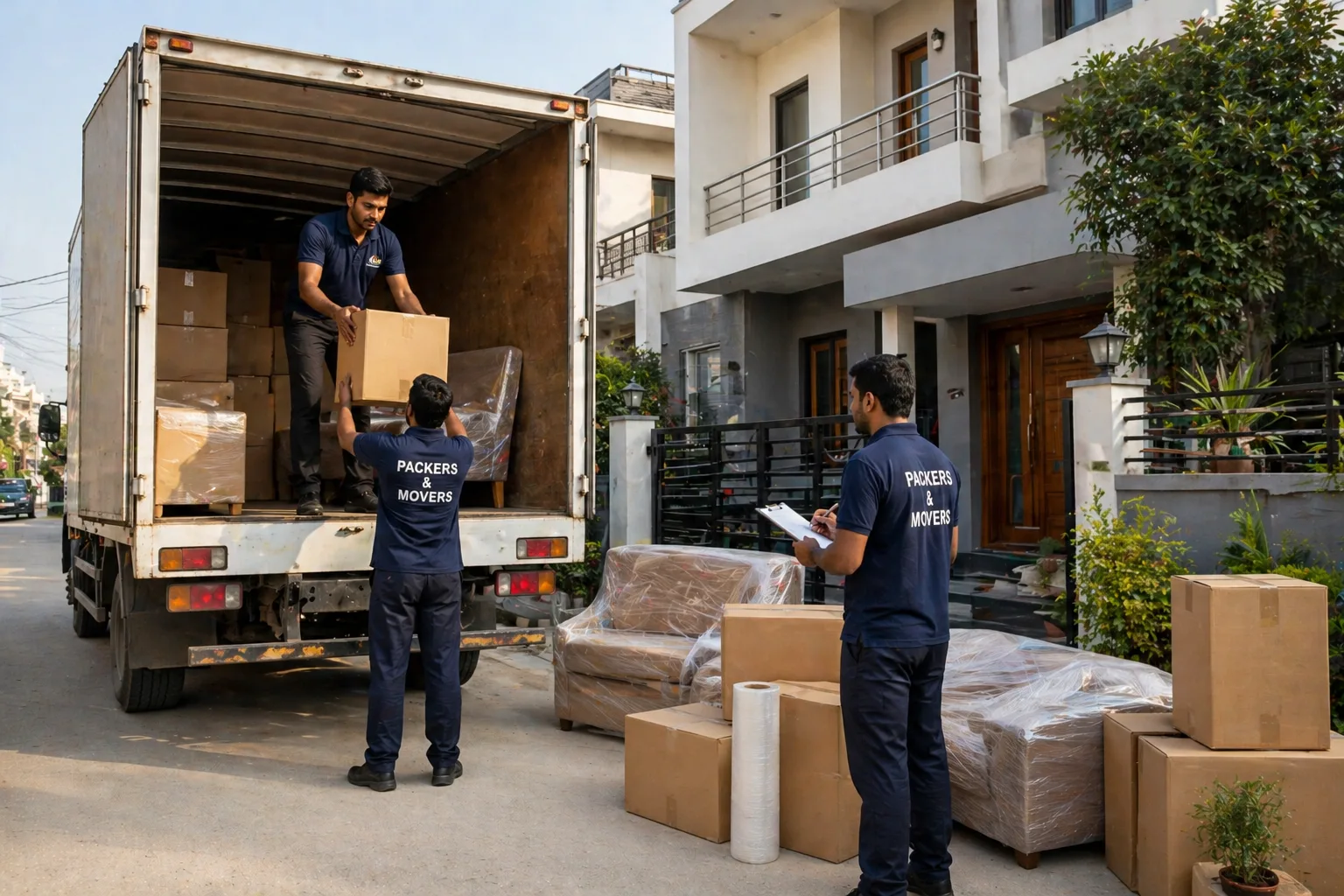
Moving timelines can vary significantly depending on the distance, route, traffic conditions, road accessibility, and type of relocation. A short-distance move between nearby areas may take considerably less time than a shipment travelling between distant cities. Packers and Movers in India plan delivery schedules by considering multiple stages, including packing, loading, route selection, transportation, unloading, and final delivery. Understanding these factors helps homeowners set realistic expectations instead of assuming that every relocation can be completed within the same timeframe.
Factors That Determine Moving Timelines Across Different Routes
A moving schedule is not based solely on the number of kilometres between two locations. Several logistical factors can influence when belongings are collected, transported, and delivered.
1. Distance Between the Origin and Destination
Distance is one of the first factors considered while planning a moving timeline. Local relocations generally require fewer transportation hours, while intercity and interstate moves involve longer journeys.
For example, a move within the same metropolitan region may be completed relatively quickly, whereas transportation between cities several hundred kilometres apart requires additional transit time.
However, distance should be considered alongside the route rather than as an independent factor.
2. Route Conditions and Accessibility
Two routes covering a similar distance can have different travel times because of road conditions, traffic, construction, diversions, and accessibility.
Transport teams may consider:
- Highway connectivity
- Road quality
- Traffic-prone areas
- Construction zones
- Bridge or road restrictions
- Narrow residential roads
- Vehicle access at the destination
A practical route may sometimes take slightly more kilometres but provide smoother and more predictable transportation.
3. Type of Move
The nature of the relocation can also affect the schedule.
Type of MoveTypical Planning ConsiderationLocal moveShorter transportation distanceIntercity moveLonger road travel and coordinationInterstate moveAdditional route and state-level considerationsLong-distance moveMore transit variablesMulti-stop moveAdditional loading and unloading coordinationThe larger and more complicated the move, the more carefully each stage needs to be scheduled.
How the Moving Process Is Divided Into Stages
Packers and Movers in India generally need to coordinate several stages rather than treating transportation as one continuous activity.
Stage 1: Pre-Move Planning
The process begins with understanding the customer's requirements. The moving team may collect information about the origin, destination, inventory, property access, preferred moving date, and transportation requirements.
This information helps determine the resources required for the move.
Stage 2: Packing and Preparation
Packing time depends on the number and type of belongings.
A small household may require fewer packing hours, while a larger home containing extensive furniture, appliances, fragile items, and numerous cartons requires more preparation.
Items may be categorized according to their handling requirements before transportation.
Stage 3: Loading
Once packing is complete, belongings are carried to the vehicle and loaded systematically.
Large furniture and heavy items usually require careful positioning, while fragile belongings need additional protection.
Loading time can increase when:
- The property has multiple floors.
- Lift access is unavailable.
- Parking is far from the entrance.
- Large furniture requires dismantling.
- The inventory is extensive.
Stage 4: Transit Planning
After loading, the transportation stage begins. The planned route can depend on distance, road conditions, traffic, weather, and vehicle accessibility.
Long-distance routes may involve multiple road sections with different conditions, making exact arrival times difficult to guarantee.
Traffic and Road Conditions
Traffic is one of the most unpredictable factors in moving schedules. Urban areas can experience congestion during peak hours, while highways may be affected by accidents, construction, diversions, or weather.
This is why a professional timeline usually needs some flexibility.
For example:
Estimated travel time + traffic buffer + unexpected delay allowance = More realistic delivery planning
Adding reasonable flexibility can prevent unrealistic promises regarding arrival times.
Destination Accessibility Matters Too
The destination is just as important as the origin when planning a delivery schedule.
A large transport vehicle may encounter difficulties if the destination has:
- Narrow internal roads
- Limited parking
- Restricted vehicle entry
- Low-clearance areas
- Busy residential streets
- Limited loading zones
In such situations, additional coordination may be required before belongings can be unloaded.
Apartment and High-Rise Deliveries
Apartment relocations can involve additional steps. Movers may need to coordinate lift availability, building permissions, parking space, and the distance between the vehicle and the apartment entrance.
These details can add time even when the transportation distance itself is relatively short.
Seasonal Conditions and Moving Timelines
Weather can also influence transportation schedules. Heavy rain, flooding, extreme heat, or other difficult conditions may affect road travel and loading operations.
Seasonal demand can create another challenge. During popular moving periods, transportation capacity may become more limited, making advance scheduling more important.
This means customers should ideally avoid planning a move with an unrealistically tight delivery deadline when the route involves multiple variables.
Why Delivery Estimates Are Not Always Exact
Moving timelines are generally estimates rather than guaranteed arrival times because several factors remain outside the transporter's control.
A delay could occur because of:
- Unexpected traffic congestion
- Road closures
- Vehicle issues
- Weather disruptions
- Construction work
- Destination access restrictions
- Delays during loading or unloading
A responsible moving plan therefore allows some flexibility instead of assuming that every stage will take exactly the expected amount of time.
Tips for Planning a More Predictable Move
Homeowners can also help improve scheduling by providing complete information before booking.
Before the Move
- Confirm the complete pickup and delivery addresses.
- Share information about floor levels and lift availability.
- Mention large or unusually heavy items.
- Discuss parking and vehicle-access restrictions.
- Keep important belongings ready before the packing team arrives.
- Avoid scheduling essential activities immediately after the expected delivery time.
During Transportation
Maintaining communication with the moving team can help homeowners stay updated about the shipment's progress and respond quickly if access or delivery arrangements change.
Route Planning Example
Consider two hypothetical moves:
Route A:
- Short-distance urban relocation
- Limited travel distance
- More traffic exposure
Greater importance of pickup and destination access
Route B:
- Long-distance interstate relocation
- Longer highway travel
- Greater route dependency
- More potential weather and road variables
Neither route should be judged purely by distance. The entire logistics chain determines the practical timeline.
Conclusion
Planning realistic moving timelines requires consideration of distance, route conditions, traffic, property access, packing requirements, loading time, and destination logistics. Packers and movers in Navi Mumbai may face a different combination of traffic, residential access, and route-planning challenges compared with movers operating on other routes. By accounting for these variables and maintaining reasonable time buffers, packers and movers in India can create more practical schedules and provide customers with a smoother relocation experience.