The debate over organic and conventional beef and dairy production remains a contentious issue for both consumers and producers. As people become increasingly interested in food quality and sustainability, they are considering how different options align with their values and budgets. At the center of this discussion are meat prices, which shape everything from regular cuts to upscale choices such as wagyu beef. While some consumers opt to pay more for the perceived benefits of organic meat, others prioritize conventional options as they assess the overall value in terms of quality, taste, and cost.
What Sets Organic and Conventional Apart?
To understand the differences between organic and conventional meat production, it’s essential first to define each system.
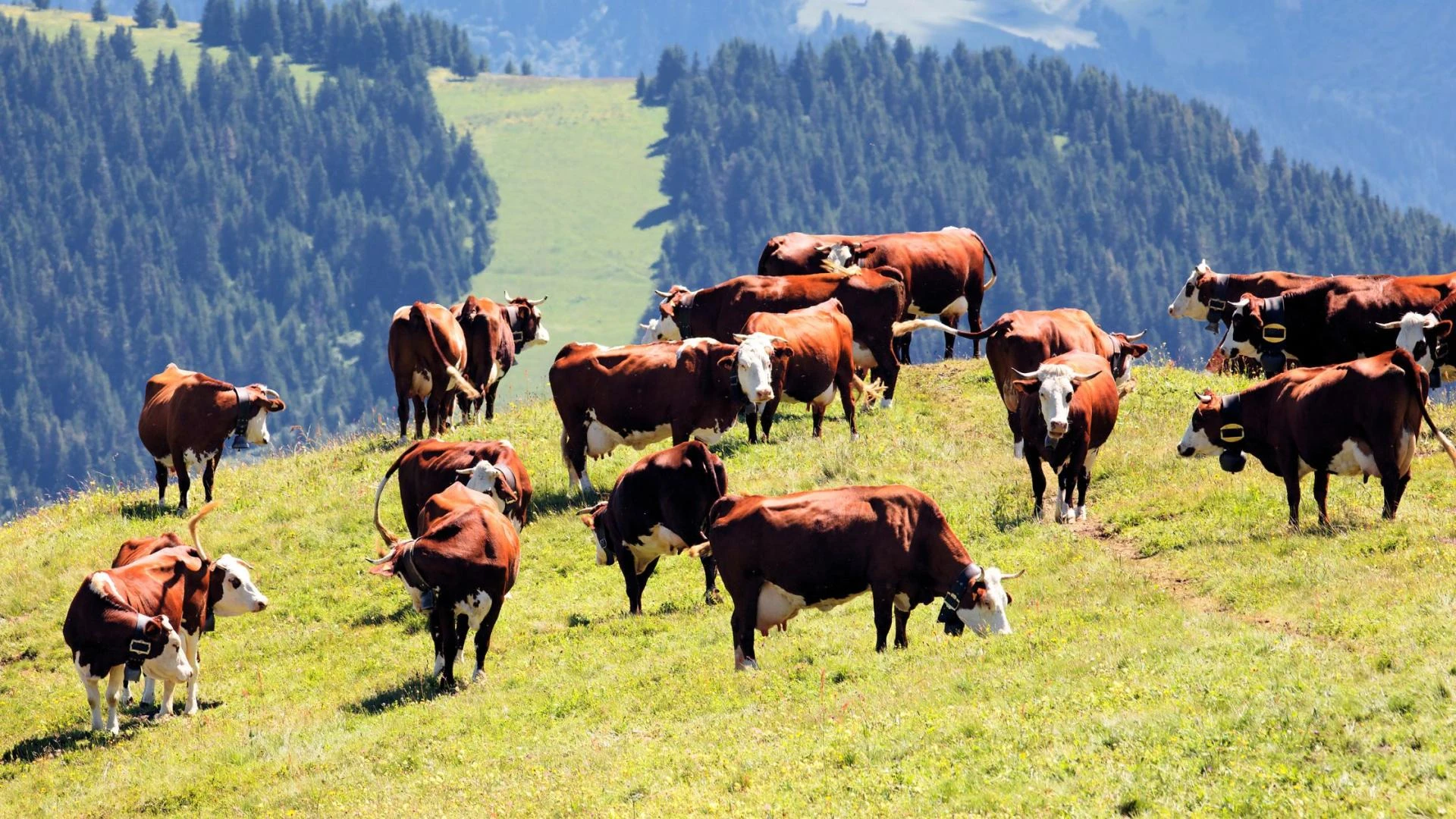
- Organic farming is all about natural approaches that exclude synthetic fertilizers, pesticides, antibiotics, and hormones. It encourages outdoor grazing and mostly grass or hay-based diets for animals.
- Conventional farming, on the other hand, can employ synthetic inputs and more intensive feeds, tending to pursue more intensive farming practices geared for mass production.
These differences have a large impact on sheep prices and live cattle prices. Organic farms may require more land and inputs, thereby increasing overall production expenses. Therefore, the economics of supply and demand simply dictate the live cattle prices and the sheep prices produced using these systems.
Food Quality: Is Organic Better?
It is believed, that organic meat, such as beef and lamb, contains approximately 50% more beneficial omega-3 fatty acids and lower levels of unhealthy saturated fats compared to standard meat. The nutritional benefit attracts health-focused shoppers.
Perceptions of taste equally influence consumer decisions. Organic and grass-fed meats, such as high-end cuts like Wagyu beef, are often considered by many consumers to provide a better taste and texture. While certain research suggests improved health benefits, scientific opinion regarding the nutritional advantages of organic over traditional options diverges. Ultimately, it comes down to personal taste and nutritional preference.
Price Tag: Investigating Meat Costs and Beyond
When comparing organic meat prices to their conventional counterparts, consumers tend to find that organic versions carry higher price tags, frequently more than 50% higher for some items. The reasons behind this higher price are increased production costs, including those for land, feed, certification, and labor, as well as reduced yields per animal or unit.
Luxury foods such as wagyu beef prices serve as a prime example of how both organic and conventional meat fetch high prices. Organic wagyu, though, can be even pricier because they have higher standards in terms of animal husbandry and manufacturing processes.
In addition, since organic livestock have higher cost structures, live cattle prices and sheep prices for organic breeds usually respond accordingly. They ultimately pass on these increased costs to the consumer, who bases their purchasing decisions on these factors.
Environmental Impact: Sustainability and Resource Use
Land use is also a factor in the debate between organic and conventional farming. Organic systems would likely utilize around 49% more land per product, whereas conventional systems could have greater fossil fuel consumption due to their reliance on synthetic fertilizers and concentrated animal feed.
One additional key element is biodiversity; organic farms often encourage more biodiversity by eschewing synthetic chemicals, which has a positive impact on the environment. Regarding greenhouse gas emissions, the outcome is ambiguous: organic methods sometimes lower the carbon footprint per farm, although not always per unit of meat or milk produced.
Social Perceptions: What Do Consumers Think?
Demand for organic beef and dairy products is increasing as health, animal well-being, and environmental issues become top priorities. Consumers in urban areas and middle-class individuals are willing to pay a premium for organic products, even with the increased cost of meat.
For taste, safety, and ethical concerns, impressions can trump price sensitivity among certain shoppers, especially for premium meats such as wagyu beef, when the allure often extends beyond economics.
Which System Wins?
Ultimately, the organic vs. conventional meat production dilemma offers several trade-offs. Organic systems are better for animal welfare and biodiversity, as well as nutritional quality; yet they are more expensive and resource-intensive. Conventional farming, on the other hand, provides a less expensive and more efficient option, albeit at the expense of sustainability and the use of food additives.
Ultimately, consumers are encouraged to consider their values; such as meat prices, taste, or sustainability, when deciding between conventional and organic meat and dairy products. Discussion on the meat prices is indicative of overall values and decisions; therefore, consumers must remain informed.