Commercial kitchen operations are the backbone of restaurants, hotels, cafeterias, hospitals, and large-scale food service businesses. Smooth and well-managed operations ensure consistent food quality, faster service, cost control, and customer satisfaction. In today’s competitive food service industry, optimizing kitchen workflows is no longer optional—it is essential for long-term success and profitability.
Efficient commercial kitchen operations begin with thoughtful planning and layout. A well-designed kitchen minimizes unnecessary movement, reduces congestion, and improves coordination between staff members. When workstations for preparation, cooking, cleaning, and storage are logically arranged, chefs and kitchen staff can perform tasks quickly and safely. This directly impacts service speed and reduces the chances of errors during peak hours. An organized layout also helps maintain hygiene standards, which are critical in any professional food environment.
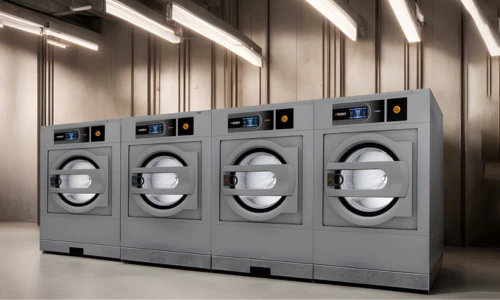
Equipment selection plays a major role in the performance of commercial kitchens. High-quality, energy-efficient equipment not only speeds up cooking processes but also reduces operational costs over time. Appliances designed for heavy-duty use ensure durability and consistent output, even during high-volume service. Proper equipment maintenance is equally important, as breakdowns can disrupt workflows and lead to unexpected expenses. Preventive maintenance schedules help avoid downtime and extend the lifespan of kitchen assets.
Staff training and management are central to successful kitchen operations. Skilled and well-trained employees understand food safety standards, portion control, and time management. Clear roles and responsibilities help teams work in harmony, especially during busy service periods. When staff are trained to use equipment correctly and follow standardized procedures, kitchens operate more efficiently and safely. Strong leadership in the kitchen also fosters teamwork, accountability, and continuous improvement.
Inventory control is another critical aspect of commercial kitchen operations. Effective inventory management reduces food waste, prevents stock shortages, and helps control costs. Monitoring ingredient usage and implementing proper storage methods ensure freshness and compliance with food safety regulations. Accurate inventory tracking also supports better purchasing decisions and improves overall profitability by minimizing losses due to spoilage or over-ordering.
Hygiene and compliance are non-negotiable in commercial kitchens. Strict adherence to food safety regulations protects both customers and the business’s reputation. Clean workspaces, regular sanitation schedules, and proper waste management contribute to a safe kitchen environment. Compliance with health standards also reduces the risk of penalties, inspections issues, and operational disruptions.
Technology is increasingly shaping modern commercial kitchen operations. From digital order management systems to automated cooking equipment, technology helps streamline processes and reduce manual errors. Real-time data insights allow kitchen managers to track performance, identify bottlenecks, and optimize workflows. Embracing smart kitchen solutions can significantly improve productivity while maintaining consistent food quality.
Ultimately, efficient commercial kitchen operations are about balancing speed, quality, safety, and cost control. Businesses that invest in proper kitchen design, reliable equipment, skilled staff, and smart management practices are better positioned to handle growth and changing customer demands. By continuously evaluating and improving operational processes, commercial kitchens can achieve higher efficiency, better customer satisfaction, and sustainable success in a highly competitive market.