When it comes to making fabric look cleaner and brighter, commonly used materials are bleach and optical brighteners. Many humans count on their paintings in the same manner; however, in fact, they function very differently. Understanding the difference is vital for detergent manufacturers, fabric industries, and even customers who need better laundry effects.
In modern-day detergents and textile processing, the optical brightening agent has emerged as one of the most essential elements used to enhance fabric appearance. While bleach removes stains through chemical reactions, an optical brightening agent works through light mirrored image generation to enhance the visible whiteness of fabric.
This article explains the important differences between bleach and an optical brightening agent, which include their operating mechanism, packages, blessings, and limitations.
What is Bleach?
Bleach is a chemical substance used to dispose of stains, whiten fabrics, and disinfect surfaces. It works through an oxidation technique that breaks down colored compounds found in stains and dirt.
Common styles of bleach include:
- Chlorine bleach
- Oxygen bleach
- Hydrogen peroxide–based totally bleach
These chemicals react with stain molecules and spoil their chemical bonds, effectively removing the color from the fabric. Because of this chemical reaction, bleach is widely used in laundry detergents, cleaning merchandise, and business fabric processing.
Bleach is very powerful for doing away with hard stains consisting of coffee, wine, ink, and meal stains. However, it additionally has some limitations because the oxidation technique can harm fibers if used excessively.
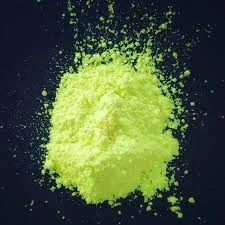
What is an Optical Brightening powder?
An optical brightening agent is a fluorescent chemical compound used to decorate the brightness and whiteness of materials. Instead of getting rid of stains chemically like bleach, an optical brightening agent works by means of manipulating mild.
The optical brightening agent absorbs ultraviolet (UV) light and re-emits it as seen blue light. This blue light offsets the yellowish tones that evidently seem in fabric over the years. As a result, the cloth seems brighter, whiter, and cleaner to the human eye.
Optical brightening retailers are widely utilized in:
- Laundry detergents
- Textile processing
- Paper manufacturing
- Plastics and polymers
- Cosmetics and private care merchandise
Because of their potential to enhance visible brightness without detrimental fibers, the optical brightening agent has become a critical component in lots of cutting-edge detergent formulations.
How Bleach Works
Bleach works through a chemical reaction referred to as oxidation. When bleach comes into contact with stains, it breaks down the molecules responsible for coloration.
- The technique includes 3 principal steps:
- Chemical oxidation of stain molecules
- Breaking down complicated pigments into colorless compounds
- Removal of stain residues at some point of washing
This procedure bodily eliminates or destroys the coloration-causing compounds in the material. While this approach is effective for stain elimination, it could also weaken material fibers if used time and again.
For instance, chlorine bleach can cause fabric thinning, fading, or yellowing when utilized in high concentrations.
How an Optical Brightening Agent Works
The operating mechanism of an optical brightening agent is absolutely specific from bleach. Instead of casting off stains chemically, the optical brightening agent improves the manner in which fabric have interaction with light.
The technique works as follows:
- The optical brightening agent absorbs ultraviolet light from sunlight or synthetic light.
- The compound converts UV light into visible blue light through fluorescence.
- The blue light displays from the material surface, overlaying yellow tones.
Because yellowish discoloration is commonplace in elderly fabrics, the added blue light makes the fabric seem brighter and whiter. this optical illusion is the key reason why detergents containing an optical brightening agent produce a “fantastic white” effect, even if the stains aren't fully removed.
Key Differences Between Bleach and Optical Brightening Agent
Although both bleach and an optical brightening agent improve the whiteness of fabric, their mechanisms and effects are very different.
1. Working Principle
Bleach gets rid of stains by way of chemically breaking down colored molecules.
An optical brightening agent works by altering a mild mirrored image to make the fabric appear whiter.
2. Fabric Safety
Bleach can harm fabrics if used regularly or in high concentrations.
An optical brightening agent is typically more secure for fabric as it does not damage fibers chemically.
3. Stain Removal
Bleach actively gets rid of stains through oxidation. An optical brightening agent does now not take away stains but visually masks discoloration.
4. Durability
Bleach consequences are everlasting because it chemically eliminates pigments.
The effect of an optical brightening agent relies upon at the presence of fluorescent compounds on the fabric floor.
5. Application
Bleach is generally used for disinfecting and stain elimination. An optical brightening agent is specifically used to beautify brightness and whiteness.
Why Detergent Manufacturers Use Optical Brightening Agents
Modern detergent formulations regularly include an optical brightening agent as it appreciably improves the visible outcomes of washing. There are numerous motives manufacturers prefer the usage of an optical brightening agent in detergents:
Enhanced Fabric Brightness
The optical brightening agent makes fabric appear whiter and more colourful after washing.
Improved Consumer Perception
Consumers frequently judge cleanliness based on brightness. A detergent containing an optical brightening agent gives garments a brighter look.
Compatibility with Detergent Ingredients
The optical brightening agent works well with surfactants, enzymes, and builders usually utilized in detergent formulations.
Long-lasting Brightness
Many optical brightening marketers can remain on fabric even after more than one wash, keeping brightness over time.
Industrial Applications of Optical Brightening Agent
The optical brightening agent is not limited to laundry detergents. It is widely used across many industries.
Textile Industry
Textile manufacturers use an optical brightening agent to enhance the whiteness of cotton, polyester, and blended fabrics.
Paper Industry
Paper manufacturers add an optical brightening agent to improve paper brightness and make published substances look clearer.
Plastic Industry
Plastic manufacturers use an optical brightening agent to enhance the visible appearance of white plastic merchandise.
Detergent Manufacturing
Laundry detergents rely heavily on optical brightening sellers to offer the “shiny white” effect that consumers assume.
Advantages of Optical Brightening Agents
Using an optical brightening agent gives numerous advantages compared to bleach.
- Enhances whiteness without negative fibers
- Works correctly at low concentrations
- Improves the visual attraction of fabrics
- Compatible with maximum detergent formulations
- Long-lasting brightness impact
Because of these benefits, the optical brightening agent has emerged as a key aspect in top-class laundry detergents.
- Limitations of Bleach
- Although bleach is robust for stain elimination, it has several drawbacks.
- Can weaken fabric fibers
- May cause yellowing with repeated use
- Not appropriate for colored fabrics
- Can damage delicate materials
Due to those barriers, many detergent manufacturers decide to combine mild bleaching agents with an optical brightening agent to achieve better effects.
Which One is Better?
The solution relies on the motive. If the intention is stain elimination and disinfection, bleach is more powerful. If the aim is improving fabric brightness and visual whiteness, an optical brightening agent is the preferred choice.
In cutting-edge detergent formulations, each technologies are often used together. Bleach gets rid of stains, and at the same time, the optical brightening agent complements the visual whiteness of the fabric.
Conclusion
Bleach and the optical brightening agent are each essential chemical substances used in laundry and textile processing; they work in absolutely distinct ways. Bleach removes stains via chemical oxidation, while an optical brightening agent improves cloth brightness via fluorescence and light mirrored image.
Because of its capacity to enhance visual whiteness without damaging fibers, the optical brightening agent has emerged as an essential component in current detergents, textiles, paper, and plastic manufacturing.
Understanding the difference between bleach and an optical brightening agent helps manufacturers select the right formulation and permits clients to achieve better laundry results.