
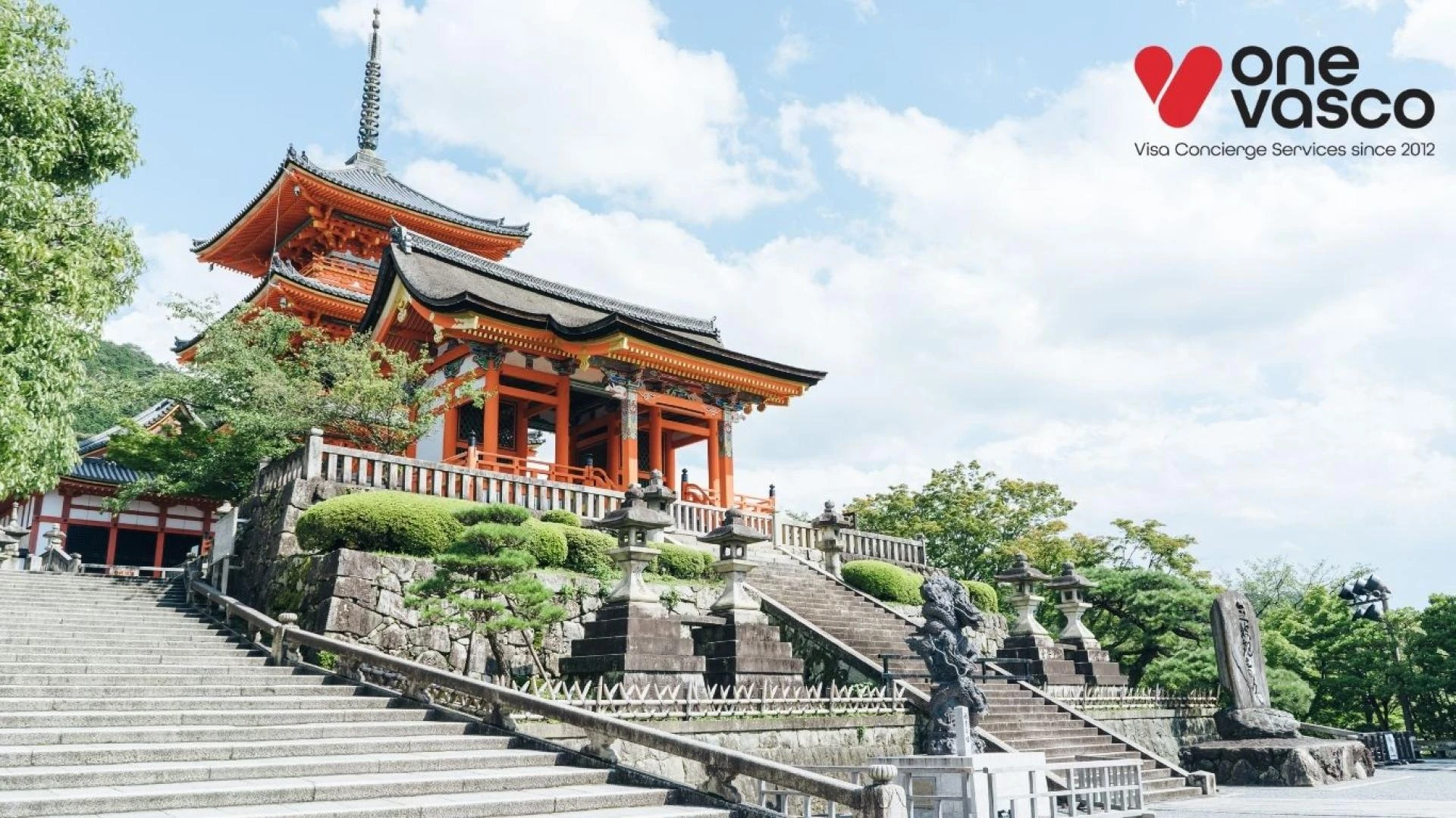
Japan is a land of stunning landscapes, rich traditions, and deep spiritual heritage. One of the most iconic symbols of Japanese culture is its temples. These sacred places not only reflect the country's religious beliefs but also showcase its architecture, history, and natural beauty. Whether you're a history lover, a spiritual seeker, or just curious about Japanese culture, visiting temples in Japan is a journey you’ll never forget.
Why Temples Matter in Japanese Culture
Temples in Japan are mostly Buddhist, while shrines belong to the Shinto religion. Temples serve as places of worship, meditation, and learning. They date back centuries and are often surrounded by peaceful gardens, towering gates, and ancient sculptures. Many temples are still active today, with monks living and practicing there.
These temples are not just religious centers but are also cultural landmarks. They hold festivals, preserve historical treasures, and offer visitors a chance to experience Japan’s calm and reflective side.
Top Temples in Japan You Must Visit
Let’s explore some of the most famous and awe-inspiring temples in Japan that deserve a spot on your travel itinerary.
1. Kinkaku-ji (Golden Pavilion), Kyoto
Kinkaku-ji is one of the most photographed temples in Japan. The top two floors of this Zen Buddhist temple are completely covered in gold leaf, and it sits beside a reflective pond that enhances its beauty. It’s especially stunning in autumn when surrounded by red maple leaves.
- Best time to visit: Autumn or early winter
- Tip: Go early in the morning to avoid crowds
2. Senso-ji Temple, Tokyo
Located in Asakusa, Senso-ji is the oldest temple in Tokyo and one of the most visited. Dedicated to Kannon, the goddess of mercy, this temple offers a mix of spirituality and energy. The shopping street leading to the temple, Nakamise-dori, is perfect for souvenirs and local snacks.
- Best time to visit: Spring during cherry blossom season
- Don’t miss: The giant red lantern at the Kaminarimon Gate
3. Todai-ji Temple, Nara
Home to the world’s largest bronze statue of Buddha (Daibutsu), Todai-ji is a must-visit temple located in the ancient capital of Nara. The temple’s Great Buddha Hall is one of the largest wooden buildings in the world.
- Best time to visit: March to May
- Extra treat: Friendly deer roam around Nara Park nearby
4. Ryoan-ji Temple, Kyoto
Famous for its rock garden, Ryoan-ji is the perfect example of Zen Buddhism’s minimalistic beauty. The temple garden contains 15 rocks arranged in a way that you can only see 14 from any angle—symbolizing that perfection is never fully reachable.
- Best time to visit: Spring and autumn
- Ideal for: Quiet reflection and photography
5. Kiyomizu-dera Temple, Kyoto
Set on a hillside with panoramic views of Kyoto, Kiyomizu-dera is one of the most celebrated temples in Japan. Its wooden stage juts out from the main hall, offering a spectacular view of cherry blossoms in spring or red leaves in autumn.
- Interesting fact: No nails were used in building the main hall
- Best time to visit: Early April or late November
6. Byodo-in Temple, Uji
This UNESCO World Heritage site features the beautiful Phoenix Hall, which appears on the Japanese 10 yen coin. Surrounded by serene water and landscaped gardens, it’s a peaceful escape near Kyoto.
- Best time to visit: April (for cherry blossoms)
- Great for: History lovers and peaceful strolls
7. Zenkō-ji Temple, Nagano
One of the oldest and most important temples in Japan, Zenkō-ji houses what is believed to be the first Buddhist statue brought into the country. The temple has been a pilgrimage site for centuries and is open to people of all beliefs.
- Best time to visit: Winter for a snow-covered temple view
- Spiritual activity: Walk through the pitch-dark tunnel beneath the main hall for a symbolic rebirth
Tips for Visiting Temples in Japan
- Be Respectful: Bow when entering, speak quietly, and dress modestly.
- Remove Shoes: Always take off your shoes before entering temple halls.
- Photography: Check for signs—some areas do not allow photos.
- Offer Prayers: Light incense or throw coins as an offering.
- Don’t Touch: Avoid touching statues and sacred objects.
Visiting temples in Japan is not just sightseeing; it’s an experience that allows you to connect with the country’s soul. Whether you're in a bustling city or a quiet village, there's always a temple nearby offering peace and beauty.
FAQ: Temples in Japan
Q1: Do I need to be Buddhist to visit temples in Japan?
A: No, anyone can visit temples in Japan regardless of religion. Just be respectful and follow temple etiquette.
Q2: Is there an entrance fee for temples?
A: Some temples are free, while others charge a small fee (usually between 300 to 1000 yen) to maintain the grounds.
Q3: Can I participate in temple rituals?
A: Yes, tourists are often welcome to take part in rituals like lighting incense or drawing omikuji (fortune slips).
Q4: What should I wear to a temple?
A: Wear modest clothing—avoid short skirts, sleeveless tops, or anything too flashy.
Q5: Are temples open all year round?
A: Most temples are open year-round, but hours may vary by season. Always check before visiting.
Whether you're searching for spiritual insight, cultural understanding, or simply beautiful places to explore, visiting temples in Japan will leave a lasting impression. Their peaceful atmosphere, rich history, and unique charm offer something for every traveler. Don't miss the opportunity to witness the heart of Japan through these sacred spaces.
For more travel guidance and visa support, explore with confidence through OneVasco.