There was a time when talking to a business meant either calling a number or sending an email and then waiting… and waiting. That gap between asking and getting a reply used to feel normal. Not anymore. People expect answers right away, whether they’re on a website, a messaging app, or scrolling through social media late at night.
This is exactly where omnichannel chatbots step in. Not as some flashy tech trend, but as something quietly fixing how conversations happen between brands and people.
What “Omnichannel” Actually Means (In Real Terms)
The word sounds complicated, but the idea is pretty simple once you strip it down.
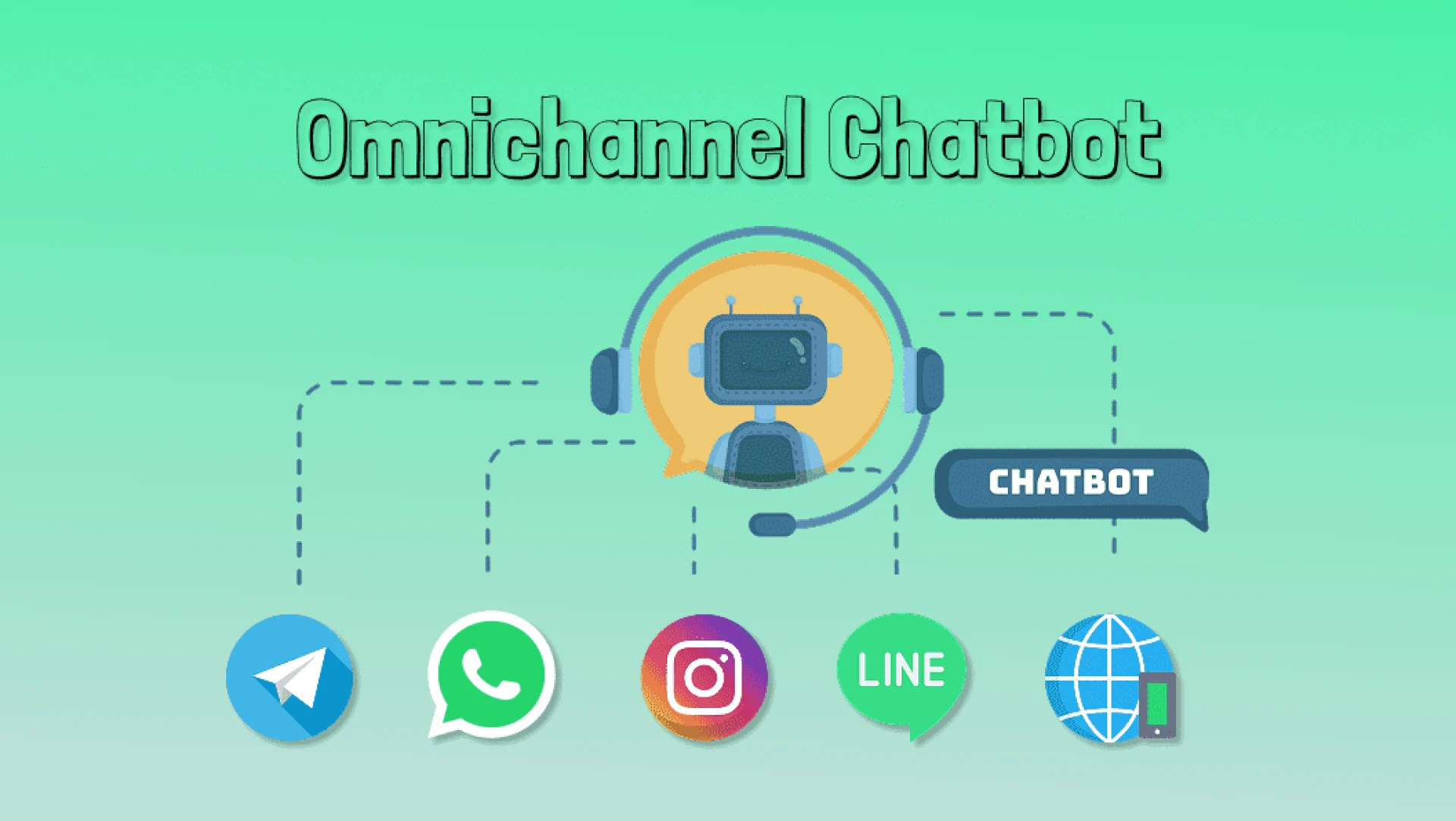
An omnichannel chatbot is a system that doesn’t stay stuck in one place. It works across multiple platforms—websites, mobile apps, WhatsApp, Facebook Messenger, even SMS—and keeps the conversation flowing as if it’s all happening in one continuous thread.
You start chatting on a website. Later, you switch to your phone. The chatbot remembers what you said earlier. No need to repeat things. No starting over.
That continuity is the whole point.
Why Single-Channel Chatbots Fall Short
Earlier chatbots were limited. You would find them sitting on a website, answering basic questions, and that’s it. Step outside that environment, and the interaction ended.
This created friction. A lot of it.
Imagine asking about a product on a website chatbot and then messaging the same company on WhatsApp, only to explain everything again. It feels disconnected. Slightly frustrating too.
Businesses noticed this gap. Customers did not want separate conversations on every platform. They wanted one smooth experience. So, the idea of omnichannel started gaining traction.
It’s Not Just About Being Everywhere
Some people think omnichannel means “being present on all platforms.” That’s only half the story.
The real strength lies in integration.
All those channels—website, app, messaging platforms—are tied together through a central system. Data flows between them. Conversations sync automatically. The chatbot doesn’t just respond; it remembers context.
And context changes everything.
If a customer asked about pricing earlier, the chatbot doesn’t need to ask again. If there was a complaint raised, it continues from there. It feels less like talking to a machine and more like picking up where you left off.
A Quick Look at How It Works
Behind the scenes, it’s a mix of technologies working together. Natural language processing helps the chatbot understand what a person is saying. Backend systems store conversation history. APIs connect different platforms into one unified structure.
Sounds technical, yes. But from a user’s side, it’s invisible.
You just type a message. You get a reply. It feels simple.
In fact, a report by Salesforce once pointed out that nearly 70% of customers expect connected experiences across channels. That expectation is what drives businesses to adopt these systems.
Where You See Omnichannel Chatbots in Action
They show up more often than people realize.
E-commerce platforms use them to guide buyers, track orders, and handle returns. Banks rely on them for account queries and quick assistance. Travel companies use them for bookings and itinerary updates.
Even smaller businesses have started using them, especially on messaging apps, because that’s where customers already spend their time.
And here’s the interesting part—customers don’t really think about the technology. They just notice when things work smoothly.
Or when they don’t.
The Real Benefits (From a Practical Angle)
Let’s keep it straightforward.
First, speed. Responses come instantly, no matter the time of day. That alone changes how people perceive a business.
Second, consistency. The same information is delivered across all platforms. No confusion. No mixed messages.
Third, reduced workload. Human support teams don’t have to handle repetitive queries again and again. They step in only when needed.
But there’s something else. Something less obvious.
Omnichannel chatbots quietly collect patterns—what customers ask, where they drop off, what issues come up often. That data helps businesses adjust their approach, improve services, and even fix problems they didn’t know existed.
Challenges That Don’t Get Talked About Much
It’s not all smooth sailing.
Setting up an omnichannel chatbot takes effort. Integrating multiple platforms, ensuring data sync, and maintaining security—these things require proper planning.
Also, if the chatbot is poorly designed, it creates more frustration than convenience. Nobody likes talking to a bot that gives irrelevant answers or keeps looping the same response.
There’s also the balance between automation and human touch. Some situations still need real people. The system has to know when to hand over the conversation.
Getting that balance right is where many businesses struggle.
The Role of Personalization
Here’s where things get interesting.
Omnichannel chatbots don’t just respond. They adapt.
They can use past interactions, preferences, and behavior to tailor responses. For example, if a customer often buys a certain type of product, the chatbot can suggest similar options without being asked.
It feels subtle. But it makes the experience more relevant.
And when interactions feel relevant, people stay longer. They trust more. They come back.
What This Means for the Future
The direction is clear.
Conversations between businesses and customers are becoming less formal, more continuous. People don’t want to switch channels and start from zero each time. They expect fluidity.
Omnichannel chatbots are pushing things in that direction.
With improvements in AI, these systems are getting better at understanding intent, tone, even small nuances in language. Not perfect, but noticeably better than before.
Voice-based interactions are also creeping in. So instead of typing, you might just speak, and the system responds across the same connected channels.
It’s evolving, slowly but steadily.
A Final Thought
At its core, this isn’t really about chatbots.
It’s about conversations. How they begin, how they continue, and how they don’t break when you switch from one place to another.
Businesses that understand this tend to create smoother experiences. The ones that don’t… well, customers notice that too.
And once someone gets used to seamless interaction, going back to disconnected conversations feels like a step backward.