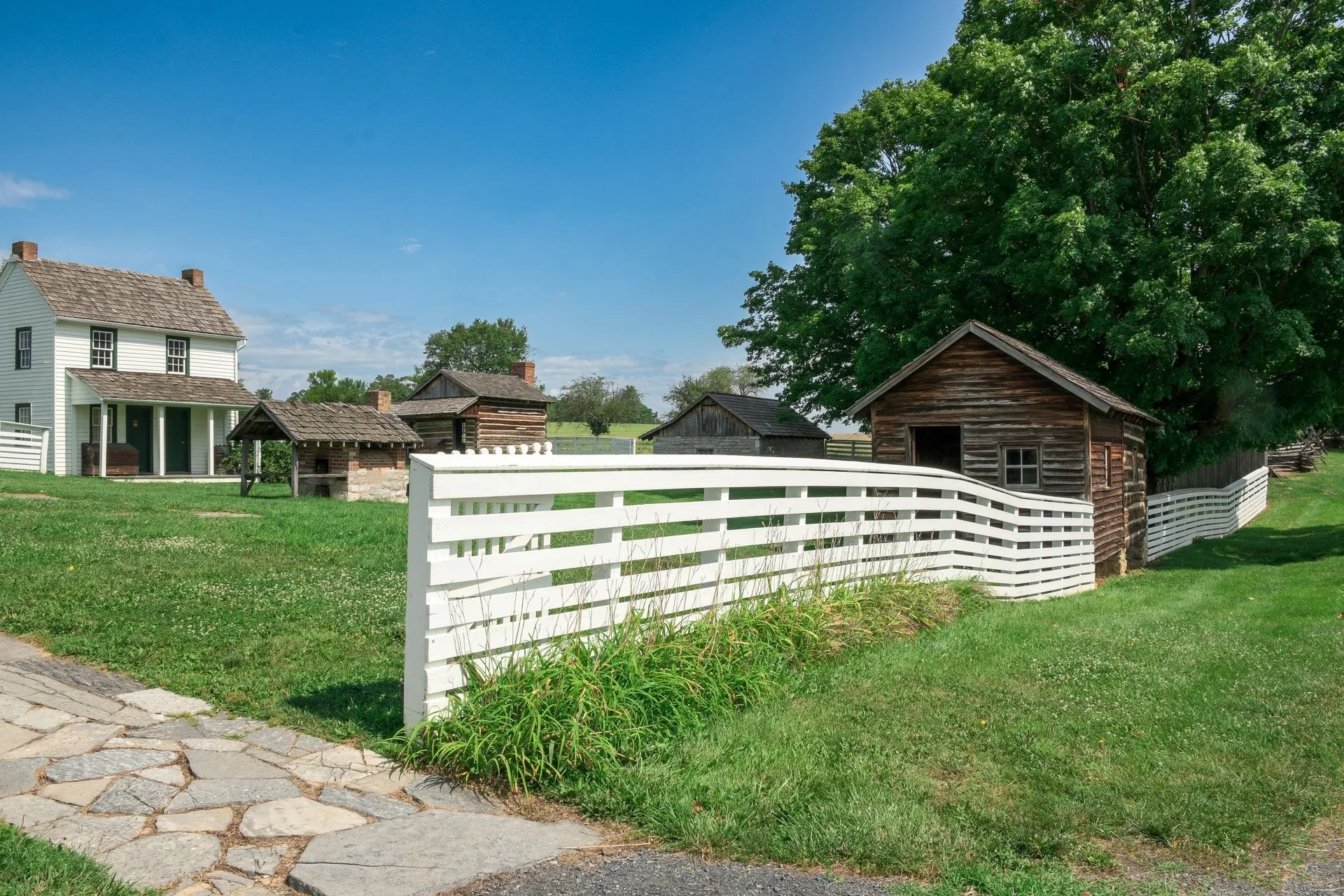
Head east out of Louisville on Interstate 64 or northeast toward La Grange and the city gives way quickly to rolling pasture, plank fences and horse farms. Scattered through that landscape are farmhouses that have stood for generations. For buyers tired of tight subdivision lots, one of these places can feel like the answer to everything.
Country homes have a different set of needs than a ranch house in a suburb, though. They tend to be older, they have often been added onto more than once, and they usually rely on systems that city buyers have never had to think about. None of that is a reason to walk away. It is a reason to plan carefully.
The appeal and the reality
Shelby County mixes historic homes in downtown Shelbyville with farmhouses and horse country properties, while newer subdivisions keep growing near Simpsonville. Oldham County, centered on La Grange, blends established neighborhoods, larger family homes and ongoing new construction, with older country places tucked along its back roads. Prices for land and character can be strong in both counties, which makes it all the more important to know what you are paying for.
A farmhouse that looks solid from the road may have a newer kitchen wing on an older stone foundation, a porch roof tied in by a past owner, and a basement that was dug out decades after the original house was built. Every one of those joints is a place where water, settlement or workmanship problems can hide.
Structure, foundations and additions
Older farmhouses were often built on stone or brick foundations, sometimes with a partial basement and a crawlspace under later additions. Look for cracked or bowing walls, mortar washing out of stone joints, uneven floors and doors that rack out of square. Some movement is normal in a house that has stood for a century. The question is whether it is old and stable or still active.
Additions are worth special attention. Where a newer section meets the original house, roof lines, flashing and foundations all have to work together. Gaps, staining on ceilings near the joint, or a step down in the floor can signal that the two halves are moving independently.
Roofs and chimneys
Many farmhouses have steep roofs, multiple valleys and old chimneys that may no longer be in use. Chimneys lose mortar over time and flashing around them is a classic leak point. Metal roofs are common in the country and can last a long time, but fasteners and seams still need maintenance.
Wells, septic systems and the water you drink
Rural properties in both counties may rely on private wells and septic systems rather than city water and sewer. These are entirely workable systems, but they are expensive to replace and easy to overlook during a quick showing. Ask the sellers for any records they have: when the tank was last pumped, where the drain field sits, and whether the well water has ever been tested.
Lee's Home Inspections can add a septic evaluation of the tank, distribution and drain field, plus a well water sample sent to a certified laboratory for bacteria, nitrates and minerals. Booking these alongside the main inspection keeps everything inside your inspection period instead of scrambling for separate appointments.
Electrical, plumbing and heating in older country homes
Farmhouses that have been updated in stages often show a mix of old and new. You might find a modern panel feeding some original circuits, galvanized pipe tied into newer plastic lines, or a heat pump serving the main floor with a separate system for an upstairs that was finished later. Older electrical, roofing and structural components are where a closer look pays off most in Shelby County farmhouses.
Outbuildings and detached structures
Barns, sheds, detached garages and workshops add value and character, but each has its own roof, foundation and possibly wiring. Talk with your inspector when you book about which structures you want included so the scope and quote reflect the whole property.
Moisture, drainage and the lay of the land
Country lots rarely sit perfectly flat. A house set into a hillside or near a creek may collect runoff against an uphill foundation wall, and decades of settling can leave old gutters pitched the wrong way. Look at where water goes during a rain, not just whether the gutters are attached. Damp basements are common in older Kentucky farmhouses, and a musty smell or white mineral deposits on stone walls tell you water has been finding its way in.
Pests are a fact of rural life as well. Mice, wasps and wood boring insects all find their way into older homes and outbuildings. A termite and wood destroying organism inspection can be added for buyers whose lender requires it or who simply want peace about the framing.
Planning an inspection that fits a rural property
A standard home of average size usually takes Lee between two and four hours on site. An older farmhouse with additions, a crawlspace and a few add on tests will take longer, so build in a full morning or more. Give clear directions, make sure gates are open, and ask the sellers to leave access to the attic, crawlspace, panel and water heater.
Radon is worth considering too. Elevated levels are common across Kentucky, and a country home with a stone basement is no exception. Lee places a continuous electronic monitor in the lowest livable level as the inspection begins, and it runs at least 48 hours before he returns for it.
Buying with confidence
Old farmhouses rarely come without quirks, and that is part of their charm. The buyers who end up happiest are the ones who know which quirks are cosmetic, which need a budget, and which deserve a negotiation. A careful inspection gives you that map before you sign.
Shelby and Oldham sit squarely inside Lee's service area, so if a farmhouse has caught your eye, his home inspections in Shelby and Oldham counties cover the house, the systems and the add on tests that a country property tends to need.