
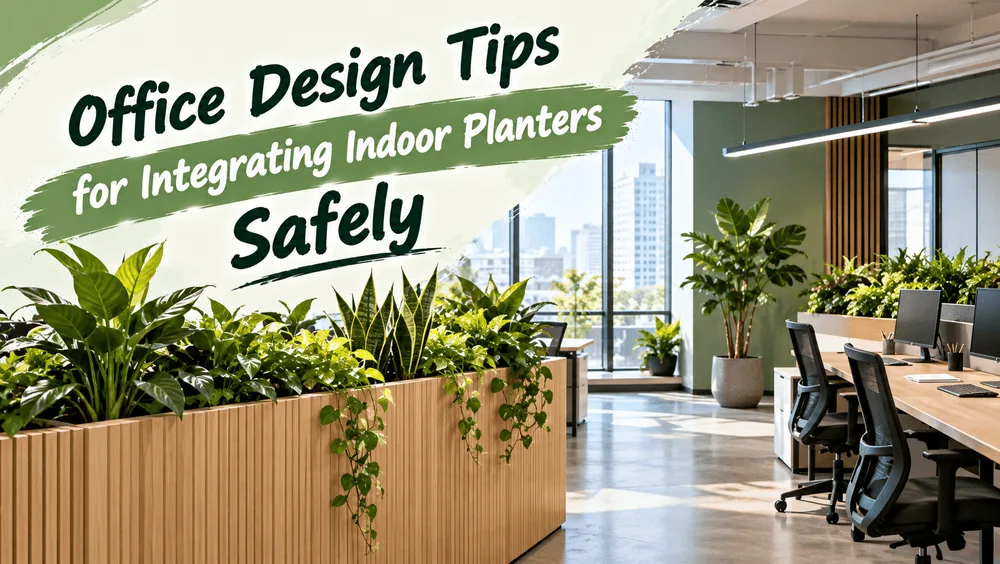
Indoor greenery can bring warmth, colour, and a more relaxed atmosphere into professional workplaces. Carefully positioned plants soften rigid interiors, introduce natural textures, and help make shared areas feel more welcoming. However, incorporating planters into an office requires more than choosing attractive pots and leafy varieties. Their placement must account for pedestrian movement, furniture arrangements, cleaning routines, lighting conditions, and employee comfort. A thoughtful approach allows businesses to enjoy a greener environment without creating unnecessary hazards or interfering with daily operations.
Select Suitable Locations for Indoor Planters
The position of each planter determines whether it becomes a useful design feature or an everyday obstruction. Reception areas, unused corners, lounge spaces, and open shelves may provide convenient locations, provided sufficient clearance remains around entrances and circulation routes. Containers should never obstruct emergency exits, fire equipment, electrical panels, or accessible pathways. In busy corridors, compact arrangements placed against walls generally work better than large pots standing in the middle of the walkway. Before installation, designers should examine how employees, visitors, and cleaning staff move through the premises.
Choose Stable Containers and Appropriate Sizes
Planters need a secure base that prevents accidental tipping when someone brushes against them. Wide-bottomed containers, weighted bases, and suitable anti-slip pads can improve stability, particularly in frequently used areas. Tall, narrow pots may be unsuitable beside desks or close to doorways where accidental contact is more likely. Container dimensions should also correspond with the plant's mature size and root requirements. Heavy ceramic or stone vessels can be attractive, but their combined weight with wet soil must be considered before positioning them on raised platforms, shelves, or suspended installations. Structural approval may be necessary for unusually heavy arrangements.
Consider Lighting and Plant Requirements
Different plant varieties require different amounts of daylight, humidity, and maintenance. Species suited to shaded interiors can work well in offices with limited window access, while sun-loving varieties need brighter positions. Selecting greenery according to actual indoor conditions helps prevent premature leaf loss and excessive replacement costs. Where natural illumination is insufficient, suitable horticultural lighting may be considered without creating glare on computer screens. Plants should also be kept away from strong air-conditioning currents that may dry foliage or cause temperature stress. Matching each variety to its surroundings makes long-term care easier.
Prevent Water Spills and Floor Damage
Water leakage from indoor containers can stain carpets, damage wooden flooring, and create slippery surfaces. Every planter should have a suitable drainage arrangement, with a waterproof saucer or internal liner to collect excess moisture. Self-watering containers may simplify maintenance, although their reservoirs still require periodic inspection. Watering should take place carefully, preferably away from electrical equipment and busy pedestrian routes. Cleaning personnel should know how to identify overflowing trays, damp patches, and soil spills. For carpeted workspaces, leak-resistant inserts and appropriately placed protective mats can provide an additional safeguard.
Maintain Hygiene and Indoor Comfort
Neglected greenery can attract fungus gnats, encourage mould growth, or develop unpleasant odours when soil remains excessively wet. Good drainage, appropriate watering intervals, and regular removal of dead foliage help prevent these issues. Planting medium should suit the selected species rather than retaining unnecessary moisture. Businesses should also consider employees who have plant-related allergies or sensitivities to pollen, fragrances, or particular varieties. Choosing low-pollen options and avoiding strongly scented foliage in enclosed meeting rooms can support a more comfortable shared environment. Routine checks help maintain an attractive appearance without compromising workplace hygiene.
Coordinate Greenery with Furniture and Services
Indoor planting should complement the office layout rather than compete with essential equipment. Planters positioned near workstations must leave enough room for chair movement, drawers, and cleaning access. Their placement should not conceal power outlets, ventilation grilles, data connections, or floor-mounted service points. In collaborative areas, carefully arranged greenery can define informal seating zones without introducing solid partitions. Consistent container finishes and proportionate plant heights help maintain a coordinated appearance across different departments.
Create a Greener Workplace with Careful Planning
Successful indoor planting depends on sensible positioning, appropriate containers, suitable species, and dependable maintenance. Businesses should review these requirements before purchasing greenery, especially when redesigning reception areas or open-plan offices. Working with a modern office architect in Ahmedabad can help organisations incorporate indoor planters into an attractive, practical layout while preserving safe circulation, comfortable workstations, and convenient access to essential building services.