
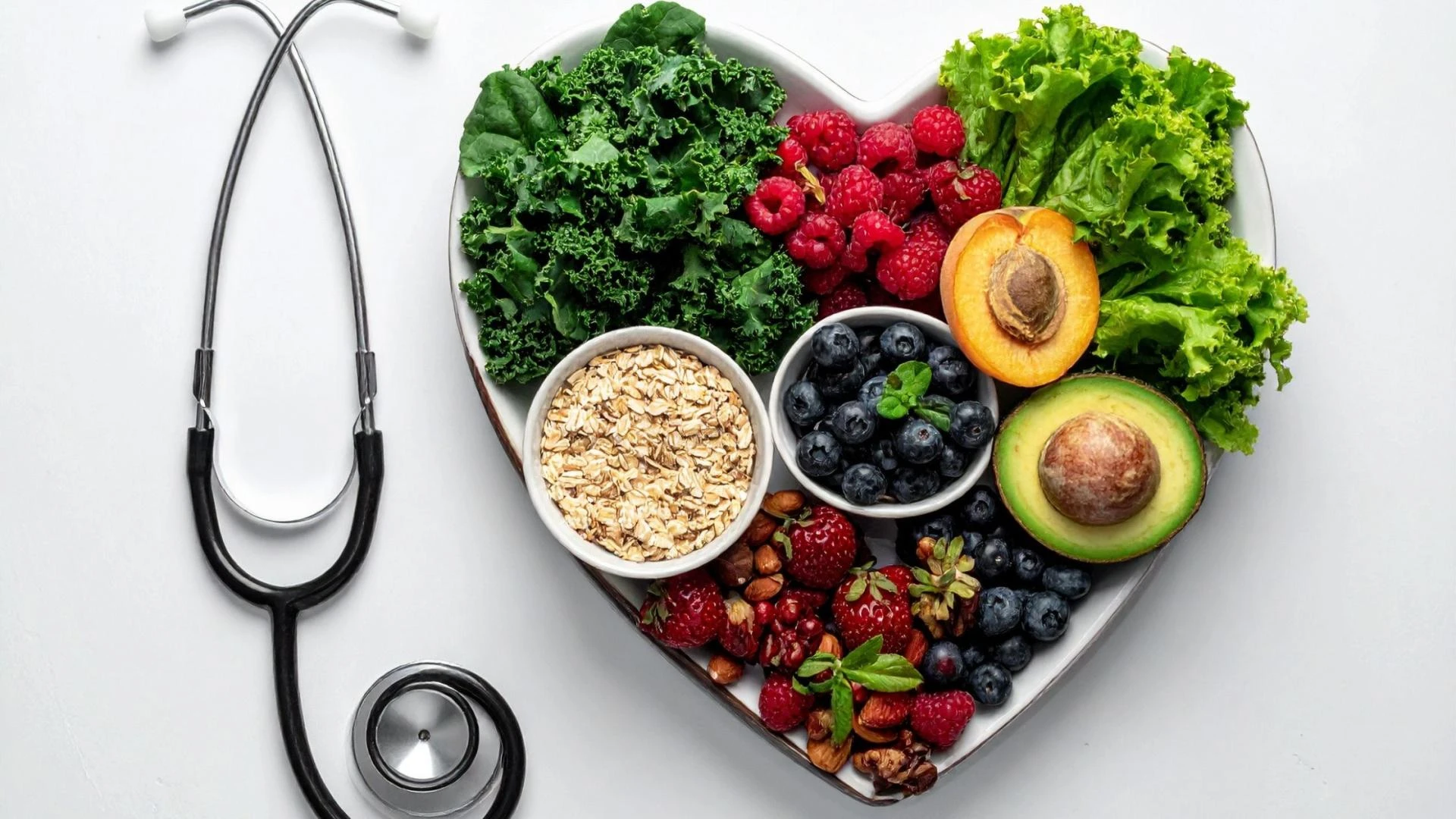
When most people think about heart health, they immediately think of cholesterol — LDL, HDL, triglycerides, “good” vs. “bad,” and numbers on a lab report. There’s no question that cholesterol plays a role in cardiovascular risk, but reducing the story of heart health to cholesterol alone is like trying to understand a symphony by listening to only one instrument. The reality is deeper, more complex, and — crucially — more actionable when we talk about diet and inflammation.
Today’s research is clear: inflammation is a central driver of cardiovascular disease. A diet that reduces inflammation, supports metabolic balance, and nourishes the body’s tissues is far more powerful for long-term heart health than any single focus on cholesterol numbers. Inflammation affects the lining of blood vessels, the way the immune system responds to injury, and how plaque forms and destabilizes in arteries — processes that can play out for decades before a heart attack or stroke ever occurs.
This article explores why nutrition for cardiovascular health cannot be limited to cholesterol-control alone, how inflammation accelerates vascular damage, and what food-based strategies really support heart resilience. With a more complete picture — one that considers inflammation as a major piece of the heart health puzzle — readers can make smarter, science-aligned choices that protect their heart now and for the long term.
What Inflammation Has to Do With Heart Disease
Inflammation: The Body’s Double-Edged Sword
Inflammation is a biological process — the body’s way of responding to injury, infection, or stress. In the short term, inflammation heals. It brings immune cells to a wound and mobilizes systems that restore balance. But when inflammation becomes chronic — low-grade, persistent, and unnoticed — it can erode tissue instead of repairing it.
In the cardiovascular system, chronic inflammation targets the endothelium — the thin lining of blood vessels responsible for regulating blood flow, blood pressure, and interactions between blood and vessel walls. When the endothelium becomes inflamed, its ability to dilate and contract properly weakens. This dysfunction is a core early step in atherosclerosis — the buildup of plaque inside arteries.
Over time, chronic inflammation contributes to the formation of fatty streaks, the recruitment of immune cells into the vessel wall, and the creation of unstable plaques. These plaques are prone to rupture, leading to clot formation and the sudden events most people think of as “heart attacks” or “strokes.”
Cholesterol certainly participates in this process, but without an inflammatory environment, it doesn’t cause the same degree of damage. In fact, cholesterol particles can exist in the bloodstream with minimal harm if the vessels are healthy and inflammation is low. This distinction is why focusing on diet patterns that calm inflammation — not just lower LDL — yields deeper heart protection.
Why Cholesterol Is Only Part of the Picture
For decades, strategies for cardiovascular health emphasized lowering LDL cholesterol, increasing HDL, and reducing total cholesterol. Statin medications are a cornerstone of this approach — and they save lives — but nutrition is more than a statin substitute. Dietary patterns influence a broad network of metabolic pathways that include, but extend well beyond, cholesterol.
Cholesterol markers are easier to measure than inflammation markers, which contributes to the narrow focus on cholesterol in clinical practice. But research now shows that many people with normal cholesterol still develop heart disease because underlying inflammation was unaddressed.
Think of cholesterol as fuel and inflammation as a spark. If you have lots of fuel (cholesterol) but no spark (inflammation), nothing ignites. If you have inflammation without cholesterol, the system still suffers, but the damage may progress differently. When you have both fuel and a spark — high cholesterol in an inflammatory environment — the risk of plaque formation and rupture increases substantially.
This is why nutrition strategies solely designed to lower cholesterol — such as reducing dietary fat without regard to food quality — don’t always improve heart outcomes as much as expected. It’s not that cholesterol doesn’t matter; it’s that the context in which cholesterol exists matters even more.
How Diet Influences Inflammation
The foods we eat affect inflammatory pathways at the molecular level. Certain nutrients and food compounds interact with the immune system, gut microbiome, and metabolic signals that influence how the body responds to stress and cellular injury.
Pro-Inflammatory Dietary Factors
Some dietary patterns consistently link to higher inflammation markers such as C-reactive protein (CRP), interleukin-6 (IL-6), and tumor necrosis factor-alpha (TNF-α). These include diets high in:
Refined carbohydrates: Sugars and processed grains cause rapid spikes in blood glucose and insulin, triggering inflammatory signaling.
Trans fats and industrial seed oils: These fats can disrupt cell membrane integrity and promote pro-inflammatory eicosanoid production.
Excessive processed meats and high sodium intake: These factors may stress vascular function and upregulate inflammatory genes.
Hypercaloric intake: Overeating, even of nutritious foods, leads to oxidative stress, metabolic strain, and chronic inflammatory activation.
Anti-Inflammatory Dietary Patterns
In contrast, certain foods and overall dietary patterns are associated with reduced inflammatory markers and improved vascular health:
Rich antioxidant sources: Berries, leafy greens, cruciferous vegetables, and brightly colored fruits and vegetables contain polyphenols and flavonoids that neutralize oxidative stress and modulate immune response.
Healthy fats: Monounsaturated fats (e.g., olive oil) and long-chain omega-3 fatty acids (e.g., fatty fish) support anti-inflammatory pathways and stabilize cell membranes.
Fiber and complex carbohydrates: Whole grains, legumes, nuts, and seeds support gut health, promote stable glucose control, and yield metabolites that reduce inflammation.
Fermented foods and prebiotic fiber: A healthy microbiome influences systemic inflammation, and dietary diversity helps cultivate beneficial gut bacteria that produce anti-inflammatory short-chain fatty acids.
These foods don’t just lower cholesterol; they actively calm the triggers that keep the immune system in a state of chronic alert.
Why Nutrition Patterns Matter More Than Nutrients Alone
It’s tempting to break diet into individual nutrients — “reduce saturated fat” or “avoid carbs” — but this reductionist view misses the bigger picture. Dietary patterns — the combination of foods that people eat habitually — shape metabolic health and inflammation far more powerfully than single nutrients alone.
Research on eating patterns like the Mediterranean diet, plant-forward approaches, and traditional whole-food diets show consistent reductions in inflammation markers and cardiovascular events. These patterns share common themes:
Emphasis on whole, minimally processed foods.
High intake of fruits, vegetables, legumes, and whole grains.
Inclusion of healthy fats from nuts, seeds, and fish.
Limited intake of refined sugars, processed meats, and highly refined oils.
These patterns also tend to support other aspects of health — stable blood sugar, better body composition, and improved gut function — all of which interact with inflammation.
Inflammation, Insulin Resistance, and Heart Health
Inflammation and metabolism are deeply intertwined. Insulin resistance — an early marker of metabolic dysfunction — is both a cause and consequence of chronic inflammation. When cells become less responsive to insulin, the body compensates by producing more. Elevated insulin levels are associated with pro-inflammatory signaling and increased risk of atherosclerosis.
Diet plays a central role here. Diets high in refined carbohydrates and sugars cause repeated surges in blood glucose and insulin, which over time contribute to insulin resistance. Conversely, diets that stabilize blood sugar — rich in fiber, lean proteins, and healthy fats — reduce the metabolic stress that feeds inflammation.
This is one reason why people with metabolic conditions such as type 2 diabetes have higher cardiovascular risk, even if their cholesterol levels are normal. Their inflammatory and insulin signaling pathways are out of balance.
The Gut–Heart Axis: Why Digestion Matters
Another emerging area of research is the role of the gut microbiome in cardiovascular health. The bacteria in your digestive tract produce metabolites that enter the bloodstream and influence inflammation, lipid metabolism, and immune function. Some metabolites, like trimethylamine N-oxide (TMAO), have been linked to increased heart disease risk. Others, like short-chain fatty acids produced from fiber fermentation, support anti‐inflammatory pathways and vascular health.
Your diet directly shapes the composition and activity of these microbial communities. A diet rich in diverse plant foods fosters bacterial populations that produce beneficial compounds. A diet high in processed foods and low in fiber supports bacteria that generate pro-inflammatory metabolites.
This gut–heart connection reinforces the idea that nutrition for cardiovascular health must look beyond cholesterol numbers to the broader systemic effects of food on inflammation and immune signaling.
Stress, Sleep, and Dietary Inflammation
Nutrition doesn’t act in isolation. Stress and sleep — two factors often neglected in discussions about heart health — strongly influence inflammatory pathways. Chronic stress releases cortisol and other stress hormones that heighten inflammatory signaling. Poor sleep disrupts hormonal balance and amplifies the body’s stress response.
Both stress and insufficient sleep influence eating patterns — increasing cravings for high-calorie, high-sugar foods, and reducing the likelihood of mindful eating. This creates a feedback loop where diet, stress, and inflammation interact negatively.
Addressing nutrition in the context of stress management and sleep quality creates a more comprehensive approach to inflammation and heart risk reduction.
Practical Nutrition Strategies That Calm Inflammation
Changing your diet doesn’t require perfection overnight. The most sustainable improvements come from steady, meaningful shifts that reduce inflammatory triggers and support metabolic resilience.
Start by prioritizing whole, unprocessed foods. Reach for vegetables, fruits, legumes, whole grains, nuts, seeds, and sources of lean protein at each meal. Add healthy fats like olive oil, avocados, and fatty fish to support vascular health and anti-inflammatory pathways.
Reduce your intake of sugars, refined grains, and highly processed snacks that spike blood glucose and feed inflammatory signaling. Pay attention to how your body responds after meals — you may notice that some foods leave you feeling lethargic or “heavy,” which can be a sign of metabolic stress.
Mindful eating — paying attention to hunger and fullness cues, eating slowly, and savoring food — also reduces stress on the digestive and metabolic systems and supports stable blood sugar.
Hydration and moderate physical activity support digestion, circulation, and stress resilience — all contributors to lower inflammation. Don’t underestimate the power of routines like a daily walk after meals, adequate sleep hygiene, and finding consistent ways to manage stress, whether through breathwork, social connection, or other calming practices.
Beyond Diet: A Heart-Healthy Lifestyle
While nutrition plays a central role in controlling inflammation and promoting cardiovascular health, it isn’t the whole story. A heart-healthy lifestyle is multifaceted and involves:
Regular physical activity that supports circulation and metabolism.
Consistent, restorative sleep that allows the body to repair and regulate.
Stress management that reduces chronic cortisol elevation and sympathetic nervous system overdrive.
Balanced social and emotional support that fosters resilience and reduces psychological stress.
When these pieces work together — diet that reduces inflammation, movement that supports metabolic flexibility, rest that calms the nervous system — the body’s cardiovascular system operates in an environment that minimizes chronic stress and supports long-term health.
Conclusion: A Broader, Smarter View of Heart Nutrition
If heart health were truly only about cholesterol, our approach to prevention and care would be simpler — and likely less effective. Nutrition for heart health is not just about lowering LDL or trimming saturated fat. It’s about recognizing the central role inflammation plays in the development and progression of cardiovascular disease.
Inflammation affects the vascular lining, immune response, metabolic signaling, and even the way our gut microbiome communicates with our organs. To protect the heart over the long term, we must nourish our bodies with foods and lifestyle patterns that calm inflammatory triggers and support resilient, adaptable systems.
By focusing on dietary patterns that reduce inflammation — whole foods, healthy fats, stable glucose control, and fiber-rich plants — and by supporting sleep, stress regulation, and movement, individuals create an internal environment where heart health is not an afterthought but an integrated outcome of daily choices.
If you want to explore how food supports heart function beyond cholesterol alone and learn evidence-based tactics for calming inflammation for long-term cardiovascular resilience, the topic of nutrition for cardiovascular health deserves careful thought and meaningful implementation.