
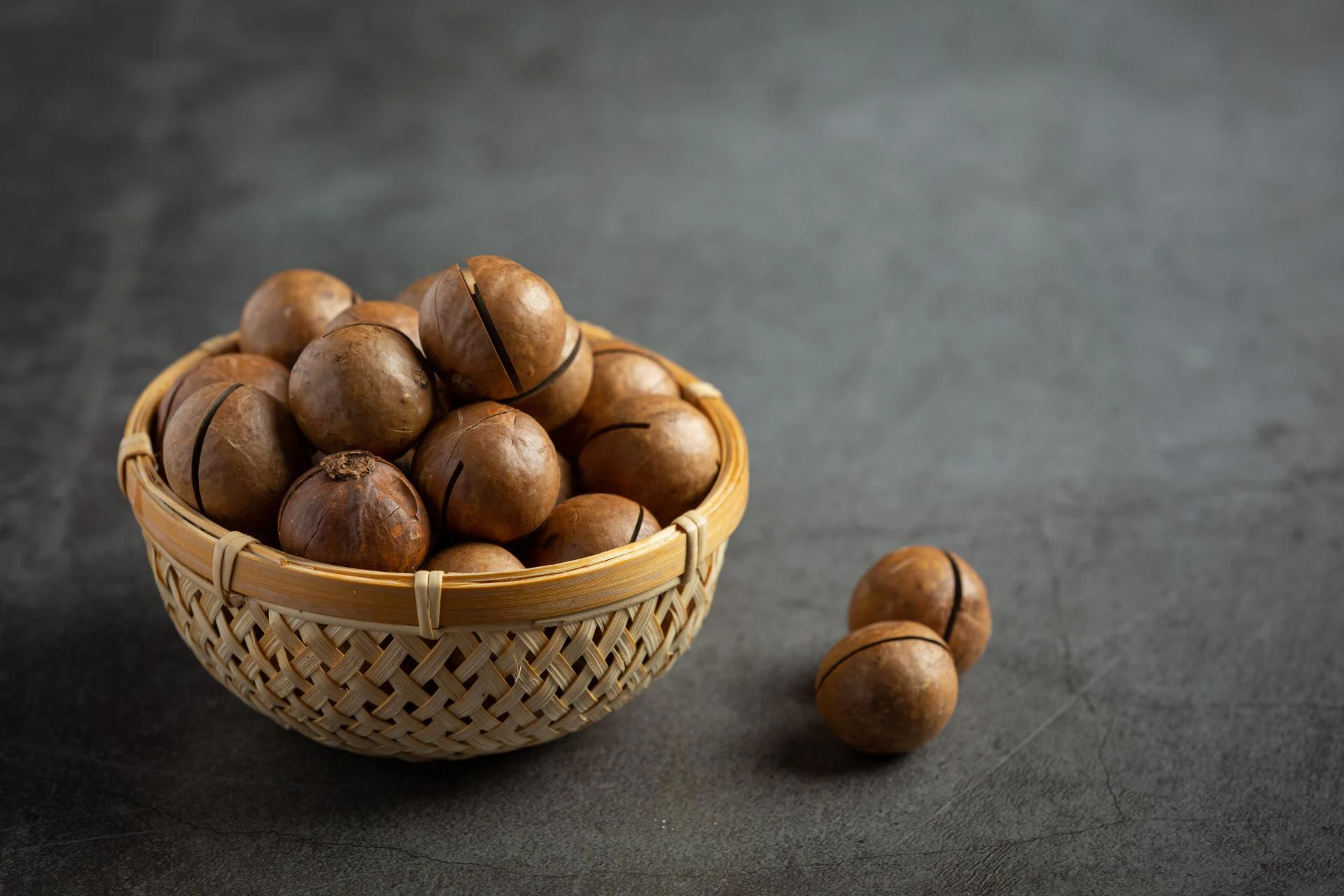
Shifting priorities in the food industry continue to inspire new conversations about how fats contribute to health and flavor. As kitchens move away from refined ingredients, oils extracted from nuts and seeds are finding their place in recipes and retail formulations. These oils match the needs of clean-label products while also offering balance in both cooking and nutritional goals. Their emergence represents a response to growing interest in functional, plant-based alternatives that support whole-food approaches. With less processing and more natural benefits, these oils reflect broader shifts toward intentional eating. Their rise highlights a growing desire for ingredients that serve both body and palate.
At the same time, demand for performance-based ingredients is reshaping the way food developers think about versatility. Nut-based oils are stepping into roles once dominated by traditional fats, offering benefits in both preparation and nutrient retention. Whether used in home kitchens or commercial products, these oils now serve as reliable additions to wellness-focused strategies. Their ability to support a wide range of applications shows how natural ingredients can meet the demands of evolving diets. As plant-forward lifestyles continue to shape purchasing behavior, the value of these oils becomes even clearer. Innovation driven by nature is guiding the next generation of food development. The following sections explore how this trend continues to unfold across the culinary landscape.
Nutrient-Rich Oils for Elevated Culinary Performance
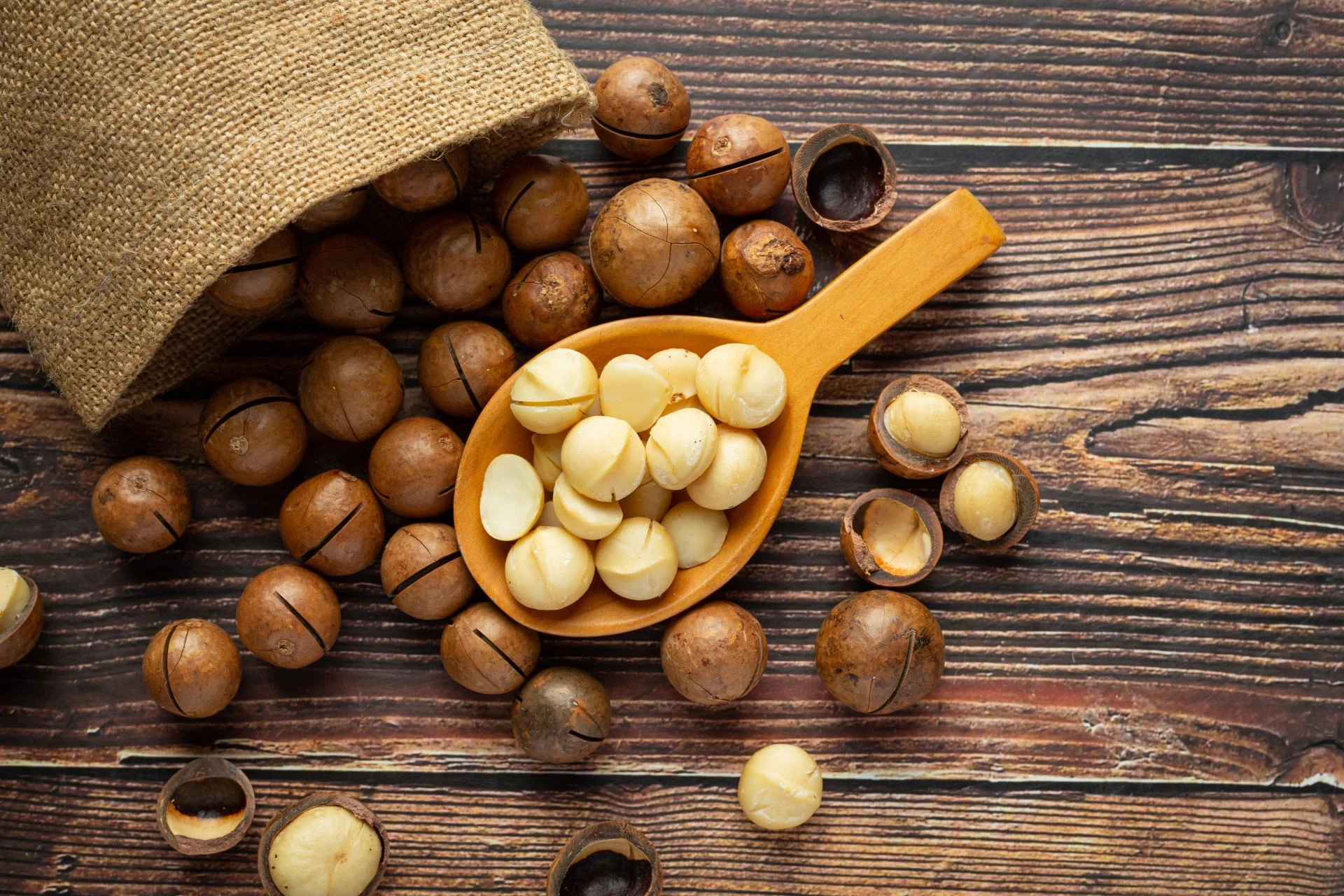
Oils pressed from nuts contribute more than flavor, offering consistency and health-supportive properties in both food preparation and formulation. Their mild taste and thermal stability allow them to support a wide range of meals, from cooked entrees to raw preparations. For instance, the benefits of macadamia nut oil stand out because of its high concentration of monounsaturated fats, which are associated with better cardiovascular function. These fats also help deliver fat-soluble vitamins more efficiently, making every meal more nutrient-available. Its subtle flavor allows it to blend effortlessly into diverse recipes, including roasted vegetables, dressings, and sauces. Product developers see value in its performance under high temperatures, where it maintains its structure without compromising the dish. In professional and home kitchens alike, this oil has become a practical staple for health-conscious cooking.
Aside from its nutritional value, macadamia oil offers functional advantages that improve food quality and consistency. With its high smoke point, it remains stable during frying, baking, and grilling, which is often difficult with less refined oils. The oil’s texture also contributes to smoother emulsions and enhanced mouthfeel in everything from dips to spreads. As demand grows for multipurpose, health-supportive pantry staples, oils with these characteristics continue to gain ground. This shift reflects a broader movement toward ingredients that enhance both product integrity and wellness benefits. Consumers expect their food to work harder, and oils that serve multiple purposes provide that edge. In this environment, nut oils continue to earn their place as top-tier choices. Their dual function in taste and health helps define what today’s food systems are increasingly built around: performance with purpose.
Whole-Food Nutrition in Every Bite
Tree nuts offer a powerful mix of essential nutrients that make them a favorite in wellness circles and professional food development. Their balance of healthy fats, protein, and key minerals supports a wide range of health outcomes. Taking a closer look at nutrition macadamia reveals a composition rich in good fats and low in carbohydrates, which aligns with low-glycemic and heart-friendly diets. The unique fat profile in macadamias contributes to anti-inflammatory benefits and improved energy regulation. Their natural creaminess makes them useful in creating plant-based spreads, baked items, and dairy alternatives. Because of these advantages, food formulators increasingly include them in functional recipes designed for dietary support. These qualities help position macadamias not just as snacks, but as strategic ingredients. They serve the needs of consumers who want to improve wellness through everyday choices without giving up taste.
In packaged products, macadamias hold up well during manufacturing processes, retaining both structure and nutrition. Their firm texture and rich composition make them well-suited for inclusion in high-performance snacks, bars, and clean-label baked goods. At the same time, their smooth flavor makes them versatile in a variety of culinary formats, from savory dishes to indulgent treats. Their low-carb, high-fat profile meets the demands of ketogenic and other fat-focused eating patterns. This makes them a go-to choice for brands looking to align with multiple food trends. For professionals, they represent both substance and market flexibility. Their use supports product narratives focused on nourishment, simplicity, and premium ingredients. That combination ensures that these nuts will remain a core part of health-focused food innovation.
Functional Versatility and Consumer Appeal
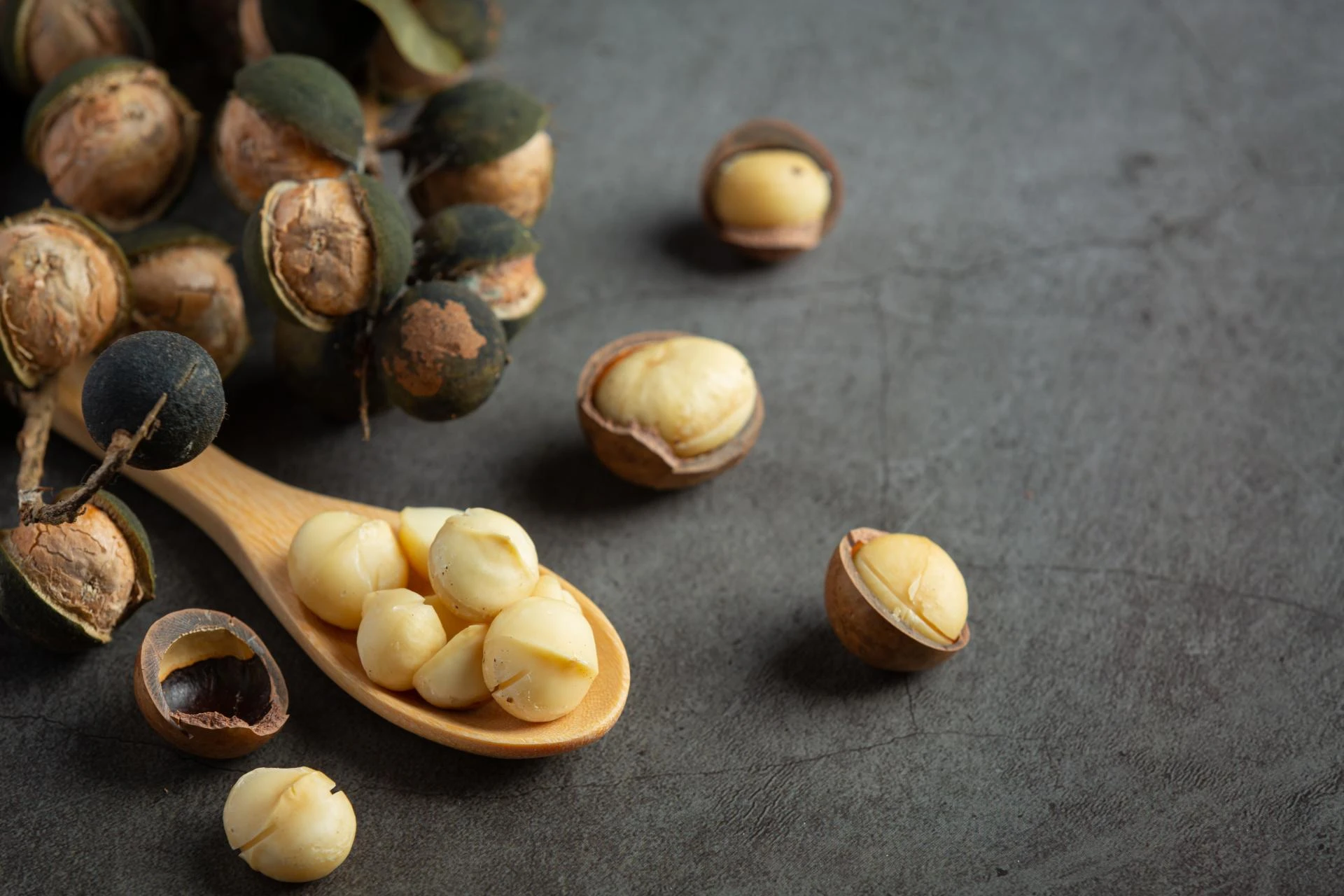
Nut-based ingredients fill an important space between flavor innovation and clean product development. They offer qualities that serve both consumer expectations and formulation demands, particularly when products aim to be both healthful and satisfying. One of the most compelling reasons for their popularity stems from macadamia nuts advantages, including long shelf life, desirable texture, and broad culinary compatibility. Their buttery taste enhances recipes without overpowering other ingredients, making them suitable for diverse flavor profiles. This adaptability allows them to appear in upscale dishes, nutritional snacks, and dairy-free alternatives. In addition, their nutrient density elevates the value of everything from granolas to blended sauces. These features support a growing market for ingredients that enhance both functional and emotional experiences. They remain relevant as food production evolves to prioritize flexibility, transparency, and health.
Macadamias also align with trends toward minimal processing and traceable sourcing, two features that influence consumer trust. Their inclusion in recipes supports clean-label standards, which are increasingly becoming industry expectations rather than niche goals. Sustainability also plays a role, with macadamias often grown in regions that emphasize ethical and eco-conscious practices. This supports their reputation as premium, purpose-driven ingredients. Their cost reflects their quality, offering food producers a chance to build value into products that meet elevated consumer standards. In a landscape that rewards both functionality and authenticity, macadamias present a dependable and forward-thinking option. Their wide usage underscores a broader move toward intentional ingredient selection. These qualities make them indispensable in recipes that aim to nourish, delight, and build trust.
Where Nutrition Meets Culinary Innovation
As eating habits evolve, the demand for nutrient-dense and versatile ingredients continues to grow. Nut-derived oils and whole ingredients are stepping up to meet the needs of this new generation of health-aware consumers. Their consistent performance in cooking, nutrition, and formulation demonstrates their value in both everyday and specialty applications. With more attention on sourcing and label clarity, these natural ingredients have emerged as leaders in the clean eating space. Their ability to support both functional health and enjoyable eating sets them apart in a crowded market. Consumers and professionals alike are prioritizing quality and versatility in their food choices. Nut oils and whole ingredients offer both, without requiring compromise. Their continued rise points to a future where purpose-driven ingredients lead the conversation.
Food trends will keep leaning into simplicity, functionality, and wellness as core values. Innovations will follow ingredients that can fulfill these priorities in multiple ways. Nut-based products, especially those that balance structure and health, will continue to define quality in this space. Their value stretches beyond taste and nutrition into brand trust and product integrity. As the line between food and function continues to blur, these ingredients offer a clear path forward. They serve evolving diets with care, intention, and adaptability. That relevance makes them more than trends; they are part of the foundation of modern food design. Their role in shaping better options will only grow stronger in the years ahead.