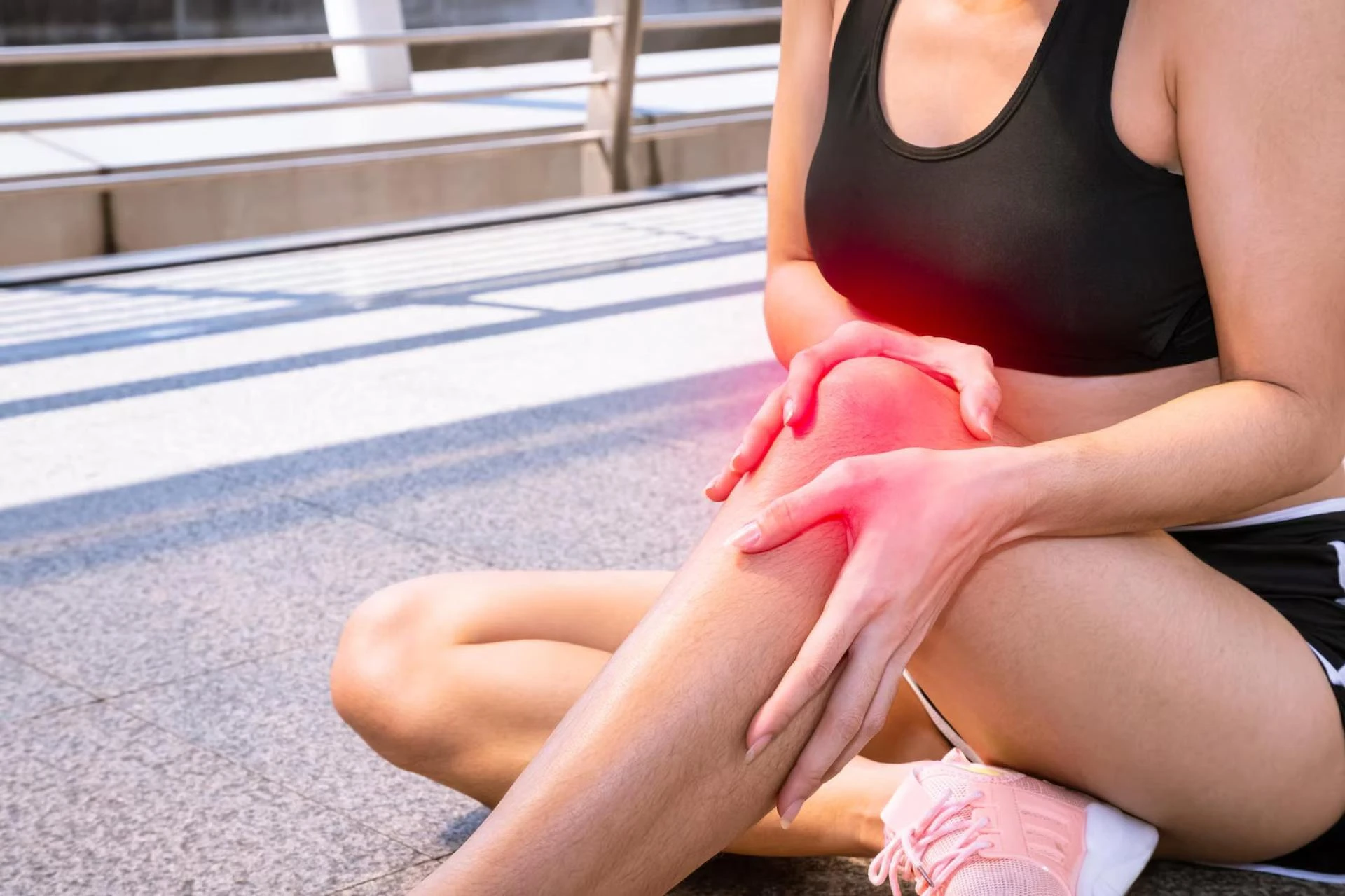
Knee pain can make even the simplest daily activities—walking, climbing stairs, or standing up—feel like a challenge. While surgery is sometimes necessary, many people can significantly reduce pain and improve mobility through non-surgical methods. Here are 10 proven strategies to help you heal your knees naturally and regain your freedom of movement.
1. Strengthening Exercises
Strong muscles support your knee joint, reducing stress and pain. Focus on your quadriceps, hamstrings, and calves with exercises like:
- Straight leg raises
- Mini squats
- Hamstring curls
Regular strengthening can stabilize your knees and prevent further injury.
2. Low-Impact Cardio
Cardiovascular exercise improves circulation and keeps your joints flexible without straining them. Consider:
- Swimming or water aerobics
- Cycling or stationary bike
- Elliptical training
These activities enhance mobility while being gentle on your knees.
3. Weight Management
Excess body weight increases pressure on your knees, contributing to pain. Even losing a few pounds can make a noticeable difference. Focus on a balanced diet and consistent activity to reduce joint strain.
4. Physical Therapy
A licensed physical therapist can create a personalized rehabilitation plan. Therapy may include:
- Manual therapy
- Range-of-motion exercises
- Posture and gait training
These techniques improve knee function and decrease discomfort over time.
5. Use of Supportive Devices
Braces, sleeves, or orthotic inserts can help stabilize your knee and reduce pain during daily activities. They also promote proper alignment and prevent further injury.
6. Pain Relief Modalities
Simple home treatments can alleviate pain and inflammation:
- Ice therapy for swelling
- Heat therapy for stiffness
- TENS units for electrical nerve stimulation
- Over-the-counter anti-inflammatory medications (if recommended by your doctor)
7. Anti-Inflammatory Diet
Certain foods reduce inflammation and support joint health:
- Fatty fish like salmon
- Leafy greens, berries, and nuts
- Turmeric and ginger
Avoid processed foods and excessive sugar, which can worsen inflammation.
8. Alternative Therapies
Complementary treatments can improve flexibility and reduce discomfort:
- Acupuncture for pain relief
- Massage therapy for muscle relaxation
- Yoga for mobility and strength
These approaches often work best alongside conventional treatments.
9. Lifestyle Adjustments
Small changes can have a big impact on knee health:
- Avoid repetitive strain and high-impact activities
- Wear proper footwear to support your joints
- Incorporate regular stretching into your routine
Consistency is key to preventing flare-ups and maintaining mobility.
10. Mind-Body Techniques
Stress can worsen chronic pain. Mind-body practices can help:
- Meditation to manage pain perception
- Deep breathing exercises for relaxation
- Mindfulness techniques to stay aware of posture and movement
These strategies support both mental and physical well-being.
Conclusion
Knee pain doesn’t always require surgery. By combining strengthening exercises, low-impact activity, a healthy diet, and professional guidance, you can heal your knees and regain mobility naturally.
Consistency is crucial—start with a few changes and gradually build up your routine. If pain persists or worsens, consult a licensed professional for personalized care.