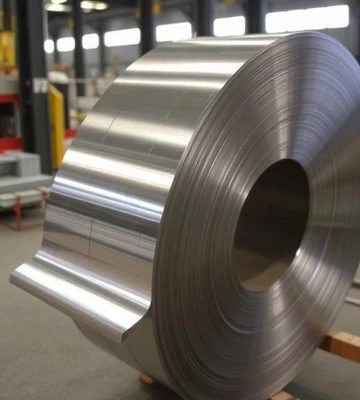
Nickel strips are a critical component in modern engineering and energy storage applications, especially in the rapidly growing battery industry. With two decades of working in materials science and energy systems, I can attest to their importance in enabling safe, efficient, and durable electrical connections.
What Are Nickel Strips?
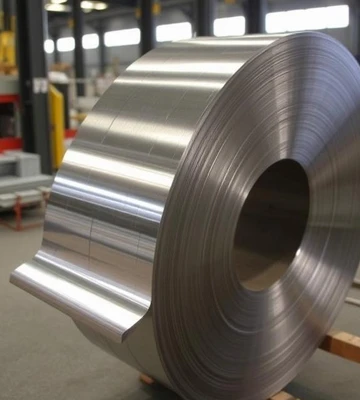
Nickel strips are thin, flexible metal pieces made primarily of pure nickel or nickel alloys. They are widely used as conductive connectors in battery packs, especially lithium-ion and nickel-metal hydride (NiMH) batteries. These strips are typically spot-welded to battery terminals, creating strong and low-resistance electrical connections that can withstand demanding operating conditions.
Key Properties of Nickel Strips
High conductivity: Nickel ensures stable current flow with minimal resistance.
Corrosion resistance: Its ability to withstand oxidation makes it ideal for long-lasting performance.
Durability: Nickel strips resist wear and retain strength even under mechanical stress.
Flexibility in size: Available in various widths and thicknesses, they can be customized for specific battery configurations.
Applications in Battery Technology
The most common use of nickel strips is in rechargeable battery packs, such as those found in:
Electric vehicles (EVs)
Power tools
Consumer electronics (laptops, smartphones)
Renewable energy storage systems
In these applications, nickel strips act as the vital link that channels current between individual cells, ensuring consistent performance across the pack.
Challenges and Considerations
While pure nickel strips provide excellent conductivity, they can be costly. As a result, some manufacturers opt for nickel-plated steel strips, which are more affordable but may have higher resistance and reduced lifespan. Selecting the right material requires careful evaluation of:
Current-carrying capacity
Heat dissipation needs
Expected lifecycle of the battery pack
Cost-performance balance
Future Trends
With the accelerating adoption of electric vehicles and sustainable energy solutions, demand for high-quality nickel strips is expected to continue growing. Advances in manufacturing are likely to focus on:
Higher purity nickel for enhanced efficiency
Environmentally friendly production methods
Better integration with automated battery assembly processes
Ultimately, nickel strips may appear as small, simple components, but they play a pivotal role in the safety, efficiency, and reliability of energy storage systems—making them one of the unsung heroes of modern technology.