Nickel strips play a vital part in battery technology because they combine great electric flow, lasting strength, and resistance to rust. These features make them a go-to pick for connecting cells in battery packs, powering things like electric vehicles, e-bikes, and medical devices.
What Are Nickel Strips?
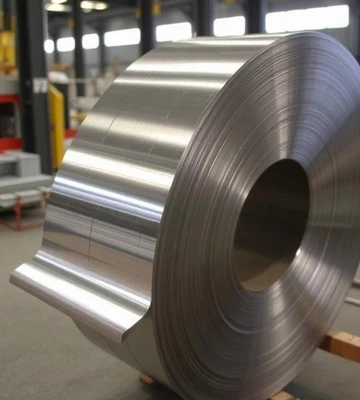
Nickel strips are thin metal pieces, often made from either almost pure nickel or a layer of nickel over steel. People use them as “connectors,” usually by spot-welding them to battery cells. This makes a solid pathway for electricity to flow from one cell to the next, helping batteries do their job smoothly in products that need a steady stream of power—like cordless tools or storage units.
Important Qualities
- Electricity Moves Easily: These strips let power move from cell to cell with little loss or heat.
- Doesn’t Rust Quickly: Nickel resists damage from water or air, so connections stay reliable for a long time, even if the battery pack gets damp or warm.
- Tough Build: Nickel strips stand up to pressure, shaking, or banging, which keeps the battery together, especially where spot welding is used.
Types and Choosing the Right Size
- Pure Nickel vs. Plated: Pure nickel is best for long life and most efficient power flow. Nickel-plated steel is cheaper but can rust faster and lets less power through.
- Sizing: Pick the width and thickness by looking at how much current flows in your system. Using strips that are too thin can cause hotspots, while too thick can be harder to work with and cost more.
Where Are They Used?
- Battery Packs: All major rechargeable batteries rely on nickel strips to build safe and powerful packs, from electric cars to hand power tools and household gadgets.
- Medical Equipment: They ensure reliable and safe operation in critical devices needing steady power over long periods.
- E-Bikes/Robots: They supply the current for high-power motors safely when sized correctly.
Tips and Common Pitfalls
- Check Current Needs: Make sure the strip size fits how much current you expect. Remember—bigger is not always better if it makes things harder or wastes money.
- Right Material: For safety, especially when the pack may get wet or hot, pure nickel is usually worth the price.
- Easy to Join: Most nickel strips work well with spot welding, making strong connections vital for battery safety and lifespan.
conclusion
Nickel strips may look basic, but they are a key part of building battery packs that last a long time and avoid failures like overheating or corroded joints. By picking the right material and making sure sizing fits the battery’s needs, battery packs can work better, safer, and longer.