
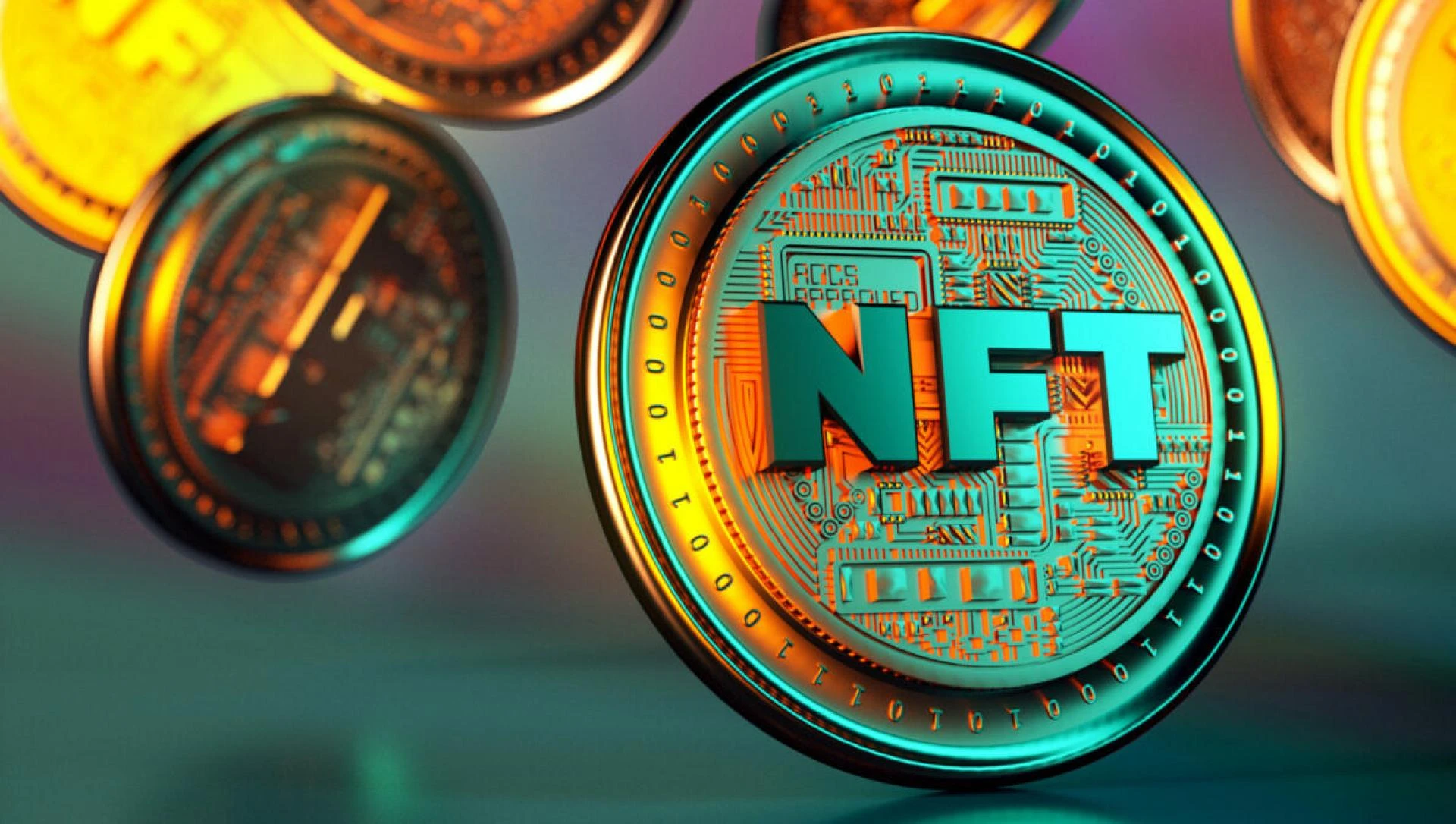
The digital economy has introduced many new ways for creators, businesses, and investors to interact with assets online. One of the most important developments in recent years is the rise of NFTs. Non fungible tokens allow digital items such as art, music, collectibles, and virtual assets to have verified ownership on a blockchain. As the demand for NFTs continues to grow, businesses are increasingly looking for reliable ways to launch their own NFT platforms. This is where an NFT marketplace development company plays an important role.
Companies that specialize in NFT marketplace development help businesses create secure and user friendly platforms where NFTs can be minted, bought, sold, and traded. These platforms connect creators and collectors while ensuring transparency and ownership verification through blockchain technology. From startups to large enterprises, many organizations are now investing in NFT marketplaces to expand their digital offerings and reach new audiences.
Understanding NFT Marketplace Development
NFT marketplace development refers to the process of creating a digital platform where users can create, list, buy, and sell NFTs. These marketplaces operate using blockchain networks such as Ethereum, Binance Smart Chain, Polygon, or Solana. Each NFT is recorded on the blockchain, ensuring that ownership details cannot be altered or duplicated.
A professional NFT marketplace development company handles the technical and strategic aspects of building such platforms. This includes designing the platform interface, integrating blockchain technology, developing smart contracts, and implementing security features. The goal is to create a marketplace that is easy for users to navigate while maintaining strong protection for digital assets.
NFT marketplaces usually include features like wallet integration, NFT minting tools, auction systems, search and filter options, and royalty management for creators. These features allow artists and creators to maintain control over their digital work while earning revenue from primary sales and secondary trading.
As NFTs expand beyond digital art into gaming, music, real estate, and entertainment, the need for customized marketplace solutions continues to increase.
Key Features of a Successful NFT Marketplace
A well designed NFT marketplace must include several important features that support both creators and buyers. These features ensure that the platform runs smoothly and provides a positive experience for users.
User friendly interface is one of the most important elements. The platform should allow users to browse collections, explore trending NFTs, and complete transactions easily. Clear navigation and responsive design help users engage with the marketplace without confusion.
Secure wallet integration is another essential feature. NFT marketplaces connect with digital wallets such as MetaMask or Trust Wallet so users can store their assets and complete transactions safely.
Smart contracts are the backbone of NFT platforms. They manage minting, ownership transfers, and royalty payments automatically. Reliable smart contract development ensures that transactions are transparent and secure.
Search and discovery tools help users find NFTs based on categories, artists, price ranges, or popularity. These tools improve the overall marketplace experience and help creators reach the right audience.
Auction and fixed price options give sellers flexibility in how they list their NFTs. Some creators prefer direct sales, while others use timed auctions to generate competitive bidding.
Industries Adopting NFT Marketplaces
While NFTs first gained attention through digital art collections, their use cases have expanded into many industries. Businesses across different sectors are exploring NFT marketplaces to create new digital opportunities.
The gaming industry is one of the biggest adopters. Game developers use NFTs to represent in game assets such as characters, skins, and virtual land. Players can buy and trade these assets in NFT marketplaces, giving them true ownership of their digital items.
Music and entertainment companies are also entering the NFT space. Artists can release limited edition digital albums, concert tickets, or exclusive content as NFTs. This allows them to connect directly with fans and earn revenue without relying solely on traditional distribution channels.
The sports industry has embraced NFTs as well. Teams and organizations create collectible moments, player cards, and memorabilia that fans can buy and trade online.
Real estate tokenization is another growing use case. Property developers can represent ownership shares as NFTs, making real estate investment more accessible and easier to manage digitally.
Fashion brands and luxury companies are also experimenting with NFTs by offering digital wearables, virtual collectibles, and exclusive membership tokens.
Why Businesses Choose NFT Marketplace Development Companies
Launching an NFT marketplace requires strong technical knowledge and careful planning. Many businesses refer to a detailed NFT marketplace development guide and also work with an experienced NFT marketplace development company to make sure the platform is secure, scalable, and aligned with their business goals.
Development companies bring expertise in blockchain technology, smart contracts, and platform architecture. They help businesses choose the right blockchain network and design a marketplace that meets the needs of their target audience.
Customization is another important advantage. Each business has unique requirements, whether it is an art focused marketplace, a gaming asset platform, or a niche collectible marketplace. Development teams can create tailored solutions with features designed specifically for that industry.
Security is also a major priority. NFT platforms handle valuable digital assets and financial transactions, so they must include strong security measures. Professional development companies conduct smart contract audits and implement protection against potential vulnerabilities.
Ongoing technical support and maintenance are additional benefits. As blockchain technology continues to evolve, marketplaces require updates and improvements to remain competitive.
Conclusion
NFT marketplaces are changing how digital assets are created, owned, and traded. From art and gaming to music and real estate, NFTs are opening new opportunities for creators and businesses around the world. Building a successful NFT platform requires more than just blockchain integration. It requires thoughtful design, secure infrastructure, and user focused features.
This is why many organizations partner with an NFT marketplace development company to bring their ideas to life. With the right development team and strategy, businesses can launch powerful NFT platforms that support creators, attract collectors, and participate in the growing digital asset economy.
As the NFT ecosystem continues to expand, marketplaces will play an important role in shaping the future of digital ownership and online commerce.
Explore the top software development companies known for delivering innovative digital solutions across industries. This listicle highlights leading firms that specialize in custom software, web and mobile app development, cloud solutions, and emerging technologies. Discover trusted technology partners that help businesses scale, improve efficiency, and drive digital transformation


