A low settlement offer can leave you stuck between urgency and doubt. You want to move forward with repairs, but you also do not want to accept less than the damage requires. If you received a low offer on a property claim in Tampa, the next step is not to panic or rush. It is to slow down, review the details, and figure out exactly where the gap begins.
In many cases, the issue is not only the final number. The real problem may lie inside the damage scope, repair pricing, policy terms, or missing documentation. Once you understand that, you can respond with more clarity and a stronger position.
Start by Reviewing the Offer Line by Line
The first thing to do is read the settlement estimate carefully. Do not stop at the total. Look at every room, item, and repair line.
Check whether the estimate includes all damaged areas. Look for missing flooring, drywall, cabinetry, roofing materials, cleanup work, or moisture-related repairs. In some cases, the insurer may include visible damage but leave out related repairs that affect the full cost of recovery.
Also, compare the pricing. If local contractor estimates are much higher, the offer may not reflect real repair costs in your area. That does not always mean the claim was mishandled, but it does mean you need to understand why the numbers differ.
A low offer becomes easier to challenge when you can point to specific gaps instead of saying the amount feels wrong.
Recheck the Full Scope of Property Damage
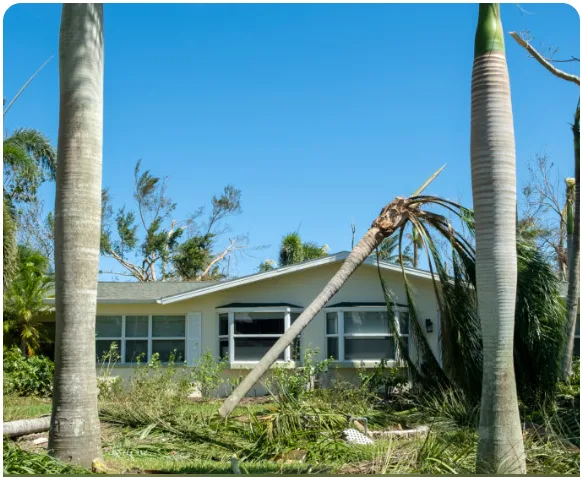
Many underpaid insurance claims happen because the original estimate does not capture the full damage. This is common after storm damage, water intrusion, roof leaks, plumbing issues, or hidden interior damage.
Walk through the property again and document everything. Take fresh photos and videos if needed. Focus on areas that may have been missed during the first inspection. Look for staining, swelling, warped materials, soft spots, cracks, peeling paint, damaged trim, and signs of moisture spread.
If the claim involves a roof, exterior damage, or water loss, pay extra attention to related interior damage. The biggest issue is often not the obvious damage. It is the part that spreads beyond the first visible point.
If you are dealing with a property claim in Tampa, detailed documentation matters because storm-related and moisture-related claims can become more complex when the damage is broader than it first appears.
Review Your Policy Before You Push Back
Before disputing the offer, review your insurance policy. This helps you understand what the insurer may be relying on and what your coverage actually allows.
Pay attention to:
- Covered causes of loss
- Exclusions
- Deductibles
- Coverage limits
- Depreciation terms
- Duties after loss
- Appraisal language
This step matters because some settlement disputes are not only about the repair cost. They are about how the policy applies to the damage. For example, the insurer may say part of the loss is excluded, limited, or subject to a different valuation method.
If you do not understand a deduction or limitation, ask for a written explanation. A clear written response gives you something concrete to review and respond to.
Gather Stronger Repair Evidence
If the offer seems low, get more support behind your position. Contractor estimates, repair proposals, mitigation invoices, inspection notes, and detailed photos can help show what the loss actually requires.
Try to gather estimates that clearly describe the work, not just the price. A vague quote helps less than an estimate that breaks out materials, labor, demolition, drying, replacement, finishing, and cleanup.
This is especially useful when the insurer’s estimate appears incomplete. If one estimate includes only partial drywall repair, but another includes insulation removal, moisture drying, texture matching, and repainting, that difference tells a more complete story.
A disputed settlement becomes easier to discuss when the evidence is organized, specific, and tied directly to the damage.
Keep Communication Clear and in Writing
Phone calls can move a claim forward, but written communication protects your position. After every important discussion, send a short follow-up email that confirms what was said.
Ask clear questions such as:
- Which damage was included in the estimate?
- Which damage was excluded?
- Why was a certain repair item omitted?
- Was contractor documentation reviewed?
- Does the payment include depreciation or holdback?
- What policy language supports the current offer?
Keep your tone calm and direct. The goal is not to sound confrontational. The goal is to create a clear record and move the conversation toward specific answers.
If the insurer needs more documents, send them promptly and keep copies. If the claim grows more disputed, your written record may become one of the most useful parts of your file.
Know When the Low Offer May Need Further Review
Not every low offer becomes a formal dispute. Sometimes a second inspection or added documentation resolves the issue. However, some warning signs suggest you may need stronger claim support.
Pay close attention to:
- The estimate leaves out obvious damage
- Repair pricing feels unrealistically low
- The insurer does not explain major deductions
- Your contractor’s scope is much broader
- The claim remains delayed without clear answers
- Part of the loss is denied without enough detail
At that stage, you may need help reviewing the estimate, documenting the full loss, or understanding the next step under the policy. Some claims move into appraisal when both sides agree on coverage but disagree on the amount of loss.
For a property claim in Tampa, this can be especially important when repair costs, storm exposure, and moisture-related damage make valuation more difficult than a simple surface estimate suggests.
Do Not Rush Into a Final Settlement
When repairs feel urgent, it is tempting to accept the check and move on. But a final settlement should make sense before you sign anything that closes the claim.
Read all settlement paperwork carefully. Make sure you understand whether the payment is partial, final, depreciated, or subject to later reimbursement. Ask questions before agreeing to anything that limits your ability to raise additional issues.
A rushed settlement can create bigger problems later if the repair scope turns out to be larger than expected. It is better to pause, review the file, and respond with facts than to accept an amount that does not fully address the damage.
Conclusion
A low insurance offer does not always mean the claim is over. It usually means you need a closer look at the estimate, the policy, and the full damage scope. The best next step is to stay organized, document what is missing, compare repair evidence, and ask for clear explanations in writing.
When you treat the issue as a detailed claim review instead of a vague frustration, you give yourself a better path forward. That is what helps turn a stalled claim into a stronger, more informed response.