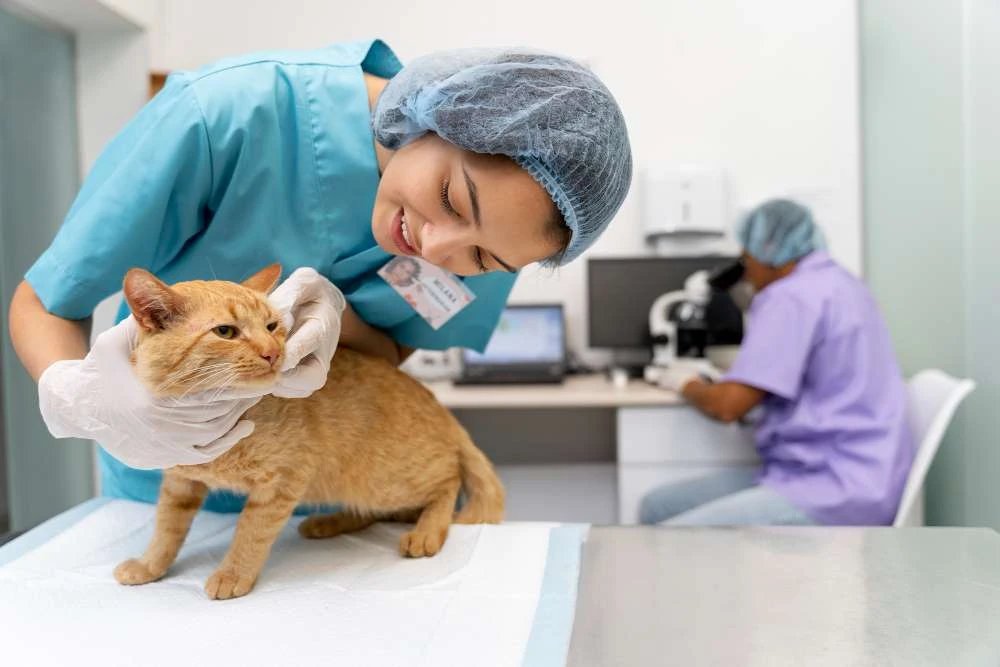
Dental care for pets is not a small concern anymore in veterinary medicine. It is considered the centre pillar of quality care. 70% of cats and over 80% of dogs suffer through some kind of periodontal disease by age 2, research (by MSD manual) says. Just as for humans, a lack of oral hygiene can lead to serious dental issues in pets.
Why Pet Dental Care Matters:
- Silent suffering: Most pets won’t show obvious or physical signs of dental pain
- Systemic impact: Bacteria from periodontal infections have a risk of entering the pet’s bloodstream
- Quality of life: Healthy teeth and gums lead to overall better health, with a decreased risk of infections
The Shift in Veterinary Focus
In recent years, veterinary professionals across the board have shifted their focus from waiting for symptoms to arise to routine dental checkups. Proactive dental screenings have also become a part of general checkups. This has led to better health awareness regarding pet dental care.
As a result of this, basic dental care has been incorporated into standard veterinary checkup protocols and veterinary education. Especially, the role of continuing education (CE) plays an important role in veterinary practice and protocols.
The upcoming VSN Veterinary Expo, happening on 6 August 2025, powered by DVM Central, is giving veterinarians the opportunity to gain deeper knowledge of dental tools. This veterinary expo is also giving away one RACE-approved CE credit to those who attend, as well as veterinary product spotlights for pet oral hygiene.
Many owners now bring their pets for routine health checkups and dental cleanings at the clinic. Due to this improvement in veterinary medicine, there has been an increase in innovations around diagnostic and treatment equipment.
Essential Dental Tools Every Clinic Should Have
Dental veterinarians can start with the basic tools and grow their collection as the caseload increases as well. Many manufacturers provide dental kit packages that can help veterinarians streamline their setup and save money.
Here are the essential tools every dental veterinary practice owner should get:
- Ultrasonic Scaler:
Known for its best use in removing calculus and plaque from animal teeth, it can operate on a frequency from 24kHz to 33kHz. It’s used for different clinical treatments as well, such as sub- and supra-gingival scaling.
- Dental Extraction Kit:
Tools in this kit can include extraction forceps, elevators, scissors, needle holders, and more. All these tools help veterinarians perform the surgical extraction procedures on animals.
- Dental X-ray System:
Most of a pet’s tooth structure is below the gumline. Because veterinary professionals can’t see the structure well, a dental X-ray system is considered one of the most essential dental instruments for veterinarians. These systems help professionals plan their treatment and decide on a diagnosis through specialized imaging software.
Engaging Pet Owners in Dental Care
Encouraging pet owners to take an interest in their pet’s dental health is essential for oral hygiene success. Symptoms like bad breath and gum inflammation can be overlooked by owners. Lack of oral care education can lead to serious dental issues.
Here’s how veterinary professionals should encourage pet owners to take an active part in their pet’s dental care:
- Using Visual Aids for Awareness:
When pet owners are shown visual imagery during diagnosis, including charts and X-rays, they are more likely to cooperate. Visual aids can help veterinarians engage them in having better dental awareness of their pet. Using simple language instead of medical jargon can help owners understand as well.
- Written Instructions & Follow-up:
Informed clients have higher chances of coming for follow-ups. Giving personalized written instructions for each pet can also make it easier for owners to embrace oral hygiene practices.
- Use of Good Dental Products:
Pet owners are always in need of a good recommendation, whether it comes to pet food or oral care products. Appropriate chews, diet, and toothpaste often need to be recommended by veterinary professionals.
Conclusion:
The new era in pet dental care calls for better dental practices and awareness. As the latest diagnostic and treatment technology comes into the veterinary dental industry, it is up to veterinarians to also combine standard protocols with it. Most importantly, educating pet owners on daily pet dental care should be a part of every veterinary professional’s practice. Every pet owner should know the telltale signs of periodontal diseases and other pet-related health issues.
FAQs:
Why is pet dental care important?
Pet dental care is important because it is directly correlated to the overall health of a pet. Overlooking the dental care of a pet can lead to periodontal disease, tooth decay, and more. This is why regular dental care is essential and can lead to longevity in pets.
What are the essential dental instruments every veterinary clinic should have?
Ultrasonic scalers, dental extraction kits, and X-ray systems are essential for starting any dental veterinary practice.
How often should dental instruments be sharpened or replaced?
The frequency depends on different tools. Following the manufacturer’s instructions can be helpful. If you see any signs of corrosion or wear, it is a sign that your equipment may need to be replaced. As for sharp surgical tools, they need to be sharpened weekly or more regularly, depending on the workload.
How do I train my staff on the proper use of dental instruments?
To train your staff on the proper use of dental instruments, provide hands-on demonstrations and comprehensive training sessions emphasizing correct handling, cleaning, sterilization, and ergonomic use to ensure safety and efficiency.