Running a business without proper data storage is like building a house without a foundation. As companies generate more digital assets than ever before, the question isn't whether you need robust storage—it's which network storage solutions will best serve your growing needs.
Whether you're managing a small startup or overseeing enterprise operations, your choice of storage infrastructure directly impacts productivity, security, and scalability. The right system keeps your team connected and your data protected, while the wrong one can create bottlenecks that slow your entire operation.
This guide explores the network storage landscape, helping you understand your options and choose solutions that will grow with your business for years to come.
Understanding Network Storage Solutions Fundamentals
Network storage solutions allow multiple users to access shared data over a network connection. Unlike traditional local storage that sits inside individual computers, network storage creates centralized repositories that teams can access from anywhere with proper permissions.
These systems fall into three main categories: Network Attached Storage (NAS), Storage Area Networks (SAN), and cloud-based solutions. Each offers distinct advantages depending on your business size, budget, and technical requirements.
The beauty of network storage solutions lies in its collaborative potential. Instead of emailing files back and forth or working with outdated versions, teams can access the most current documents simultaneously. This centralized approach also simplifies backup procedures and strengthens data security through controlled access points.
NAS Storage Solutions: The Small Business Champion
NAS storage solutions have become increasingly popular among small to medium-sized businesses for good reason. These dedicated file storage devices connect directly to your network, providing shared storage that's both affordable and user-friendly.
Modern NAS devices offer impressive capabilities beyond basic file sharing. They can stream media, run applications, and even host websites.
Setting up a NAS system typically requires minimal IT expertise. Most units feature intuitive web interfaces that guide you through configuration, user management, and backup scheduling. For businesses without dedicated IT staff, this simplicity represents a significant advantage over more complex enterprise solutions.
The scalability of NAS storage solutions makes them particularly attractive for growing businesses. Start with a basic unit and add drives as your storage needs expand. Many systems also support expansion units, allowing you to multiply capacity without replacing your original investment.
Enterprise Network Storage: Built for Scale
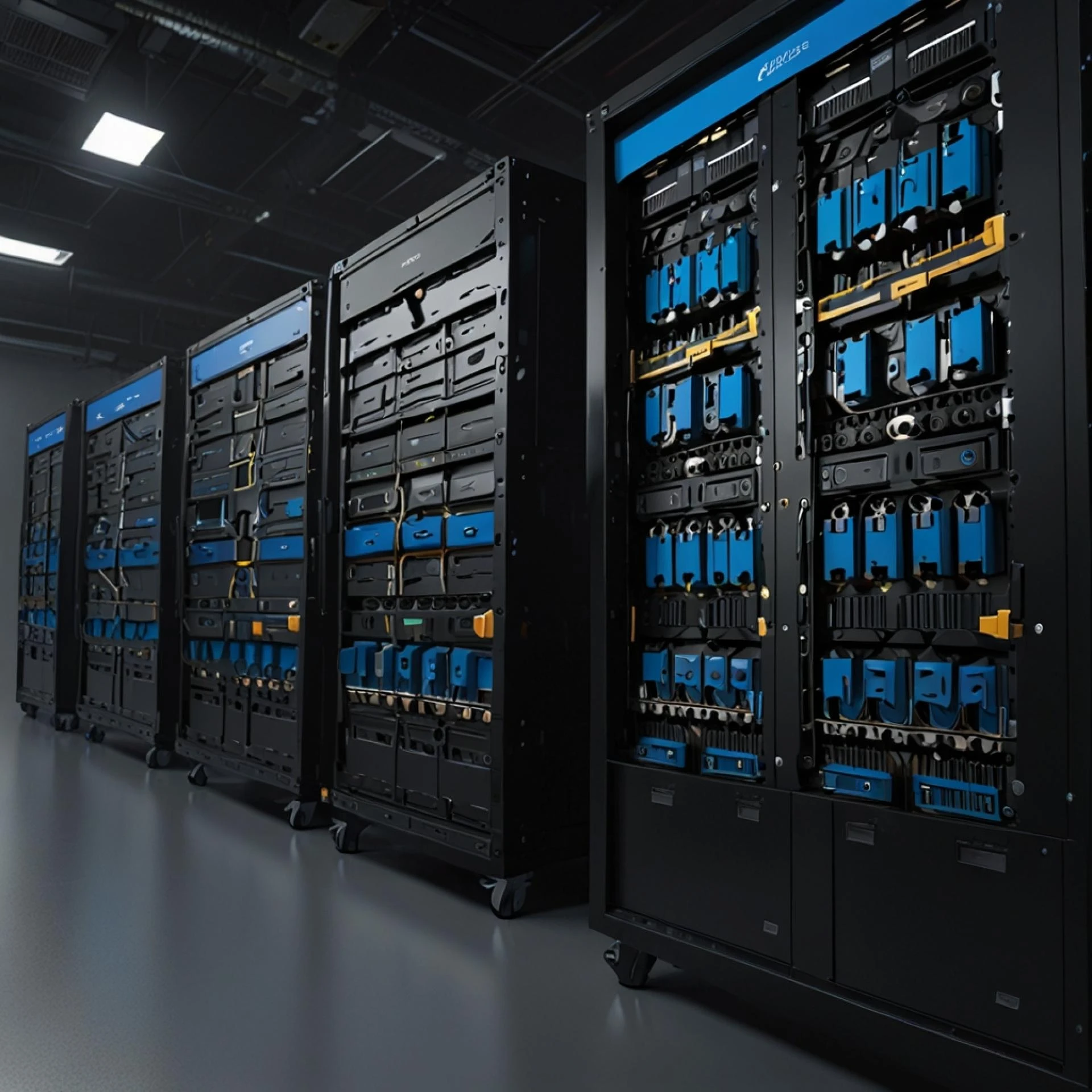
Large organizations require storage solutions that can handle massive data volumes while maintaining consistent performance. Enterprise network storage systems typically employ SAN technology, which creates high-speed networks dedicated exclusively to storage traffic.
These systems separate storage from computing resources, allowing for more efficient resource allocation and easier maintenance. IT administrators can add storage capacity without taking servers offline, and they can implement sophisticated redundancy measures to prevent data loss.
Enterprise solutions also offer advanced features like automated tiering, where frequently accessed data moves to faster storage while archival information shifts to more economical drives. This intelligent management optimizes both performance and costs across large storage deployments.
Cloud Integration and Hybrid Approaches
Modern network storage solutions increasingly blend on-premises hardware with cloud services. This hybrid approach offers the best of both worlds: local performance for frequently accessed files and cloud scalability for backup and archival needs.
Many NAS manufacturers now offer seamless cloud integration, automatically syncing local data to services like Amazon S3 or Microsoft Azure. This redundancy protects against local disasters while providing off-site access when needed.
Cloud-first strategies work particularly well for distributed teams or companies with multiple locations. Services like Dropbox Business or Google Workspace provide network storage capabilities without requiring hardware investments, though they may have ongoing subscription costs that exceed local solutions over time.
Security Considerations for Network Storage
Data security should drive every storage decision. Network storage solutions create new attack vectors that don't exist with isolated local storage, making security planning essential from the start.
Implement strong access controls that limit file permissions based on job roles. Enable encryption both for stored data and network transmissions. Regular security updates keep systems protected against emerging threats, so choose vendors with strong track records of ongoing support.
Consider the physical security of on-premises storage devices. NAS units should be located in secure areas with appropriate environmental controls. For highly sensitive data, some organizations implement air-gapped storage that's completely isolated from internet connections.
Making the Right Choice for Your Business
Selecting network storage solutions requires honest assessment of your current needs and future growth plans. Small businesses often find that NAS storage solutions provide the right balance of features, cost, and simplicity. These systems can typically scale to serve dozens of users without requiring significant IT expertise.
Growing companies should evaluate their data growth rates and performance requirements. If you're handling large files like video content or CAD drawings, investing in higher-performance systems early can prevent costly migrations later.
Enterprise organizations need to consider integration with existing infrastructure, compliance requirements, and disaster recovery plans. These factors often justify higher initial investments in more sophisticated storage architectures.
Building Your Storage Strategy
Network storage solutions form the backbone of modern business operations. The key lies in choosing systems that match your current requirements while providing room for growth.
Start by auditing your existing data volumes and access patterns. Calculate growth projections based on your business plans. Factor in compliance requirements, backup needs, and security concerns specific to your industry.
Don't let storage limitations hold back your business success. Whether you choose NAS storage solutions for their simplicity or enterprise systems for their power, the right network storage infrastructure will support your team's productivity and protect your valuable digital assets for years to come.