
Parents often find their toddler or preschooler glued to screens or restless indoors, struggling to engage in meaningful play amid packed schedules. With early education emphasizing academic readiness earlier than ever, many wonder how to balance structured learning with natural curiosity. The result can be overwhelmed kids and frustrated adults seeking simple, effective alternatives.
This push toward screen-heavy early learning overlooks a fundamental truth: young children learn best through their senses. Nature-based activities for little learners counter this trend by fostering focus, creativity, and physical confidence at a critical developmental window. Parents reading this will walk away with 20 practical, age-specific ideas they can implement tomorrow, plus strategies to make outdoor time a daily habit.
Why Nature-Based Activities Work for Young Children
Nature-based activities for little learners tap into how children's brains are wired. Toddlers through kindergartners process the world through touch, sight, sound, and movement—exactly what nature provides in abundance. Research aside, years of watching kids transform in outdoor settings confirm this: a child who fidgets indoors might sit transfixed by an ant trail for 20 minutes.
These activities build more than motor skills. They teach resilience through mud-splattered clothes, patience through seed germination, and wonder through seasonal changes. Unlike indoor crafts, nature's unpredictability keeps engagement high without constant adult direction.
Setting Up for Success
Starting nature-based activities for little learners requires minimal gear—a bucket, magnifying glass, and old sneakers suffice. Choose accessible spots: local parks, apartment balconies, or even sidewalk cracks bursting with weeds. Safety first: teach "look but don't taste" for wild plants, and stick to known areas.
Time it right. Mornings work best for toddlers' energy peaks; afternoons suit school-aged kids unwinding from classrooms. Begin with 15-minute sessions, extending as interest grows. One parent discovered her 3-year-old would explore a single dandelion for half an hour when left to lead.
Activities for Toddlers (Ages 1-3): Sensory Exploration
Toddlers learn through touch and discovery. Nature-based activities for little learners at this stage prioritize safe, open-ended sensory play over structured goals.
Simple Nature Hunts
- Fill a bucket with grass, leaves, and twigs. Let them sort by texture—smooth stones versus prickly pine needles.
- Hunt for "crunchy leaves" on a slow walk. Crumble them together, naming sounds: crackle, snap, whoosh.
- Dip toes in puddles or dirt. Provide cups to pour water, watching it disappear into soil.
Creature Spotting
- Sit still near anthills, counting tiny workers. No touching—just quiet observation.
- Listen for birds at dawn. Mimic their calls, giggling at the echoes.
These moments build vocabulary organically. A toddler splashing in mud puddles one day called water "shiny magic," her first descriptive phrase.
Activities for Preschoolers (Ages 3-5): Hands-On Experiments
Preschoolers crave cause-and-effect play. Nature-based activities for little learners here introduce basic science through backyard experiments.
Water and Mud Play
- Build mini dams with sticks and rocks in a stream or gutter. Watch water pool, then burst free.
- Mix dirt, water, and leaves into "mud soup." Stir with spoons, tasting pretend recipes (no real eating).
- Float bark boats in puddles. Race them, predicting winners by size.
Plant Discoveries
- Dig for worms after rain. Gently place in dirt piles, observing wiggles before returning them home.
- Collect acorns or seed pods. Sort by size, predicting which might grow tallest.
One preschool group turned a rainy recess into a "mud architect" challenge, designing towers that stood longer than indoor blocks. The grit on their hands mirrored growing problem-solving grit.
Activities for Kindergartners (Ages 5-6): Observation Journals
Kindergartners handle simple recording. Nature-based activities for little learners now blend exploration with drawing or early writing.
Bug Detective Work
- Create a "bug hotel" from sticks, leaves, and stones. Check daily for residents, sketching visitors.
- Follow ant trails to their hills. Map the path with chalk on pavement.
- Lift logs carefully to spot roly-polies. Time how long they curl before uncurling.
Sky and Weather Watch
- Track cloud shapes daily on paper plates. Guess what animals they resemble.
- Make wind chimes from twigs and shells. Hang and listen during breezes.
A kindergartner I knew filled a notebook with "roly-poly races," timing their escapes with a stopwatch. Her math skills sharpened alongside her curiosity.
Activities for Early School-Aged (Ages 6-8): Nature Projects
Older kids enjoy multi-day challenges. Nature-based activities for little learners at this stage encourage planning and reflection.
Seasonal Crafts
- Press fall leaves between wax paper. Create stained-glass windows for rainy days.
- Build fairy houses from twigs, moss, and pebbles. Add signs warning "fairies only."
- Plant bulbs in pots. Measure growth weekly, graphing inches against dates.
Ecosystem Builds
- Construct a terrarium in a jar: soil, moss, tiny plants, and critters. Observe moisture cycles.
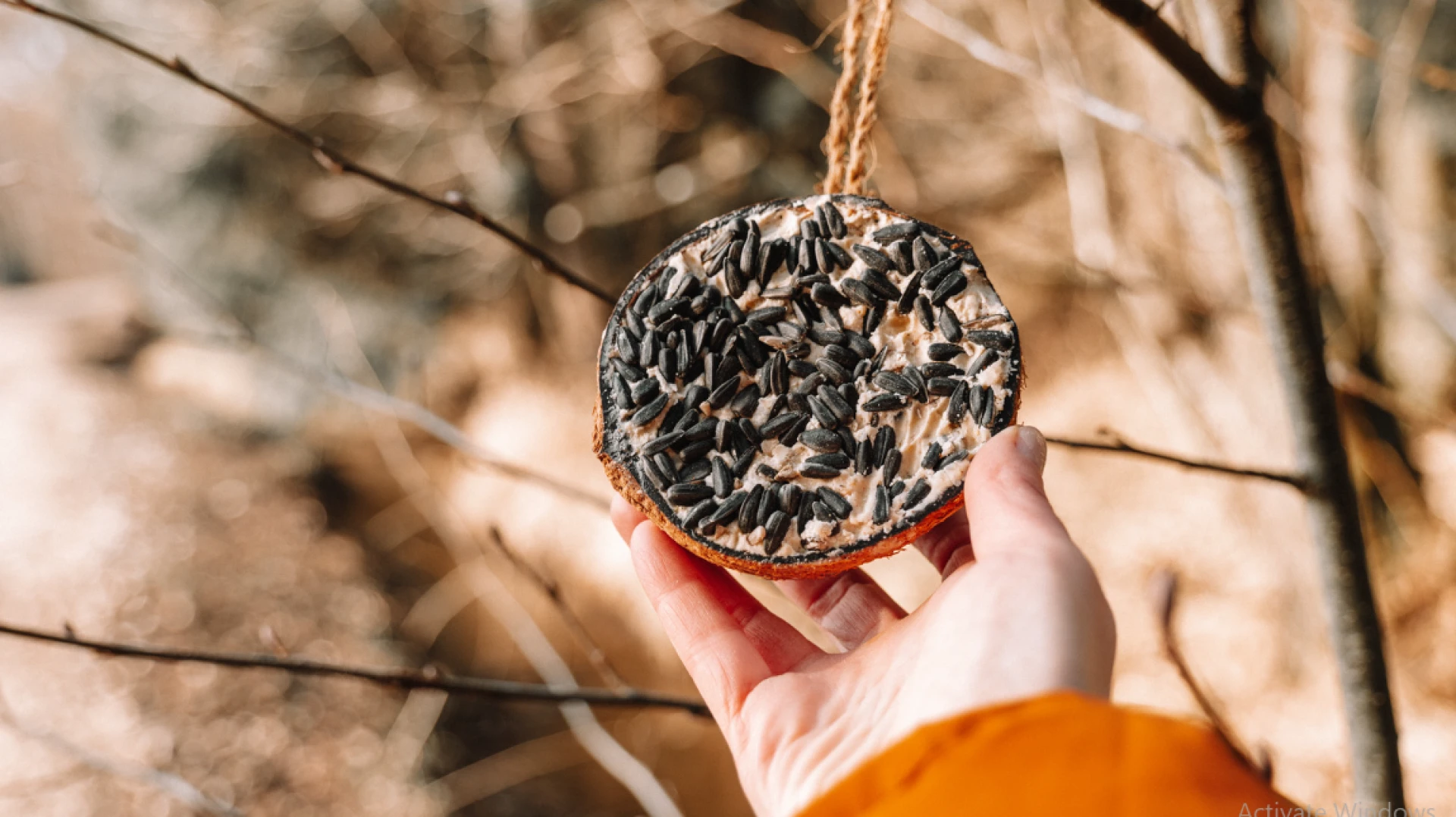
- Design bird feeders from pinecones rolled in peanut butter and seeds. Track visiting species.
These projects teach delayed gratification. One 7-year-old's terrarium, tended for weeks, became a family conversation starter at dinner.
Overcoming Common Hurdles
Weather often derails plans. Rainy days shift to "indoor nature"—sorting leaf collections or building twig sculptures. Bug-phobic parents relax by starting with non-crawly elements like rocks or flowers.
Short attention spans? Follow the child's lead. If pinecone sorting turns into tossing, roll with it. Nature-based activities for little learners thrive on flexibility, not rigid agendas.
Mess concerns fade with preparation. Designate "nature clothes" and a rinse station. The real mess—imagination unleashed—far outweighs laundry.
Making It a Daily Habit
Routine cements benefits. Link nature-based activities for little learners to existing rhythms: post-nap park strolls for toddlers, after-school backyard checks for school kids. Rotate activities weekly to prevent boredom.
Involve siblings across ages. Toddlers hand leaves to kindergartners for sorting; everyone wins. Track outings in a shared journal—parents note weather, kids add drawings.
One family made "Wednesday Worm Hunts" non-negotiable. Rain or shine, it became the week's highlight, with kids begging to miss TV instead.
Year-Round Adaptations
Seasons extend possibilities. Summer brings creek wading; winter offers frost pattern tracings. Urban parents adapt: crack-seed hunts on sidewalks, balcony herb gardens.
Night walks reveal glowworms or stars. Safety gear—flashlights, reflective vests—makes magic accessible. These variations keep nature-based activities for little learners fresh indefinitely.
Conclusion
Nature-based activities for little learners deliver profound growth through simple, sensory-rich play tailored to each developmental stage. From toddler puddle splashing to school-aged terrariums, these experiences build focus, resilience, and wonder far beyond what screens or worksheets achieve. Parents equip children with tools for lifelong curiosity when they prioritize outdoor time.
Pick two activities matching your child's age and try them this week, starting small. Create a nature basket with basics like buckets and magnifiers for instant access. Note what captivates them most, then repeat weekly. Link outings to daily routines for consistency. Involve the whole family to share the joy. You'll witness your little learner's world expand naturally—trust the quiet power of these moments.