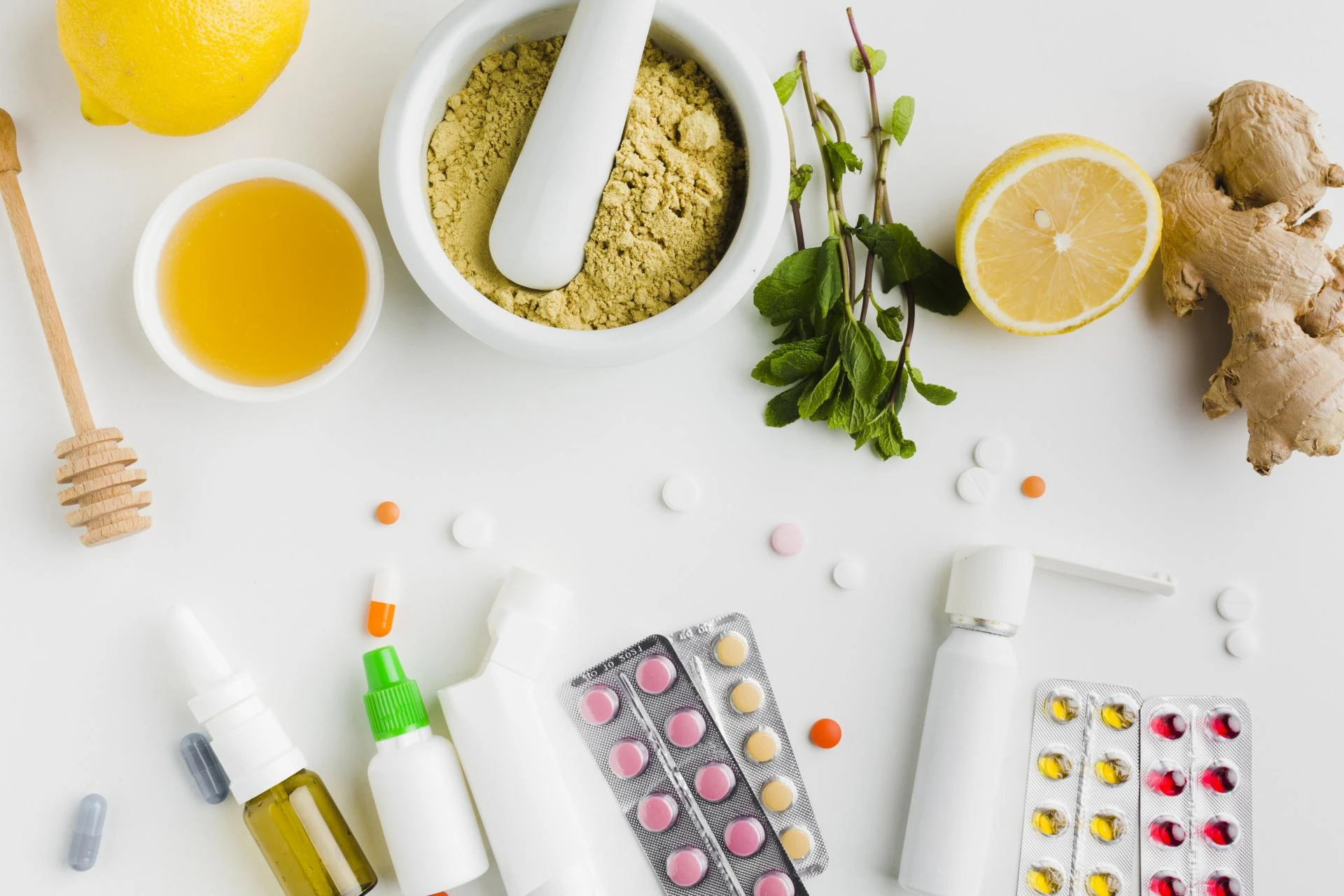
Inflammation is the body’s natural defense system, but when it becomes chronic, it can quietly disrupt everyday life. Joint stiffness, muscle soreness, fatigue, and recurring pain often trace back to inflammation that refuses to settle down. As more people look for long-term relief beyond quick fixes, the debate grows stronger between natural remedies and anti-inflammation Supplements. Both approaches promise relief, but what actually works better depends on how inflammation behaves in your body and how consistently you manage it.
Understanding inflammation first
Before comparing solutions, it helps to understand inflammation itself. Acute inflammation is short-lived and helpful. It occurs after an injury or infection and usually resolves on its own. Chronic inflammation is different. It lingers quietly and can last for months or even years. This type of inflammation is linked to joint pain, arthritis, heart disease, metabolic issues, and reduced mobility over time.
The goal is not to eliminate inflammation completely. The goal is to control it so it does not interfere with daily function and long-term health.
Natural remedies for inflammation
Natural remedies have been used for centuries and remain popular because they focus on lifestyle changes rather than external products. They aim to reduce inflammatory triggers while supporting the body’s natural healing processes.
Anti-inflammatory foods
Food plays a major role in inflammation. Diets rich in fruits, vegetables, whole grains, healthy fats, and lean proteins help calm the inflammatory response. Foods like leafy greens, berries, olive oil, nuts, fatty fish, turmeric, and ginger are known to support inflammation balance.
On the other hand, excessive sugar, refined carbs, processed foods, and trans fats can worsen inflammation. Many people experience noticeable improvement in joint comfort and energy levels simply by cleaning up their diet.
Regular physical activity
Movement is one of the most effective natural tools against inflammation. Gentle exercises like walking, swimming, yoga, and stretching improve circulation and reduce stiffness without putting stress on joints. Consistent activity also helps regulate hormones that influence inflammation.
The key is moderation. Overtraining or intense workouts without recovery can actually increase inflammation.
Stress management and sleep
Chronic stress triggers inflammatory pathways in the body. Practices like meditation, deep breathing, journaling, and mindfulness help lower stress hormones. Quality sleep is equally important. Poor sleep disrupts immune function and increases inflammatory markers.
Improving sleep hygiene often results in better pain control and faster recovery.
Weight management
Excess body fat, especially around the abdomen, releases inflammatory chemicals into the bloodstream. Losing even a small amount of weight can significantly reduce inflammation and joint pressure.
Limitations of natural remedies
While natural remedies are powerful, they require consistency and time. Results are gradual and depend heavily on lifestyle discipline. For people dealing with moderate to severe inflammation, natural methods alone may not be enough, especially when pain interferes with daily activities or mobility.
This is where supplementation often enters the conversation.
Supplements for inflammation
Supplements are designed to deliver concentrated nutrients that support the body’s inflammatory response. They do not replace a healthy lifestyle but can enhance it.
Targeted nutrient support
Certain nutrients are difficult to obtain in therapeutic amounts from food alone. Supplements provide a reliable dose that supports joint health, muscle recovery, and immune balance. This is especially useful for individuals with nutrient deficiencies or increased physical demands.
Faster symptom relief
One major advantage of supplements is speed. Many people report noticeable improvements in stiffness, flexibility, and pain levels within weeks. This can help stay active while working on long-term lifestyle changes.
Convenience and consistency
Supplements are easy to integrate into daily routines. Unlike strict diet changes or time-intensive wellness practices, supplements offer a consistent approach even on busy days.
Limitations of supplements
Supplements are not magic solutions. Poor quality products, inconsistent use, or relying on supplements without addressing lifestyle habits can limit their effectiveness. They work best as part of a holistic approach rather than as a standalone fix.
Natural remedies vs supplements: which works better?
The truth is that this is not an either-or decision. Natural remedies address the root causes of inflammation by reducing triggers like poor diet, stress, and inactivity. Supplements support the body at a cellular level by filling nutritional gaps and enhancing recovery.
Natural remedies are ideal for prevention and long-term health maintenance. Supplements are particularly useful for symptom management, faster relief, and added support during periods of high inflammation.
For most people, the best results come from combining both approaches. A balanced diet, regular movement, stress control, and proper sleep create the foundation. Supplements then reinforce that foundation by supporting joints, muscles, and immune function.
Who should prioritize natural remedies?
Natural remedies may be enough if you experience mild inflammation, occasional stiffness, or early signs of discomfort. They are also ideal for people who prefer lifestyle-based solutions and are willing to stay consistent.
Who benefits more from supplements?
Supplements may be more helpful for individuals with chronic joint pain, active lifestyles, physically demanding jobs, aging-related stiffness, or limited ability to maintain perfect lifestyle habits. They offer structured support when inflammation becomes harder to manage naturally.
Making an informed choice
The most effective strategy is personalized. Listen to your body, assess your lifestyle, and choose tools that align with your health goals. Whether you start with dietary changes, movement routines, or supplementation, consistency matters more than quick fixes.
Consulting a healthcare professional can help determine the right balance based on your specific needs.
Conclusion
When it comes to managing inflammation, there is no universal winner. Natural remedies build long-term resilience, while supplements provide targeted support and convenience. Together, they create a sustainable approach that helps reduce pain, improve mobility, and support an active lifestyle. Choosing the right combination of natural habits and high-quality anti-inflammation Supplements can make a meaningful difference in how your body feels and performs over time.