Many shoppers assume pure honey is always safe for gluten-free diets—but does the real journey from hive to shelf ever complicate that story?
Why the Gluten Question Around Honey Even Exists
Honey seems like the last thing you’d question if you’re avoiding gluten. After all, it’s made by bees—not in a wheat field. But as more Australians adopt gluten-free lifestyles, whether by necessity or preference, they’re beginning to look closer at even the simplest ingredients. And the question naturally follows: is honey gluten free?
Technically, yes—pure, raw honey is naturally gluten-free. But “pure” is the keyword here. The real issue often lies not in the honey itself but in how it’s processed, packaged, and sometimes even mixed with additives that could contain gluten. As clean as honey appears, its journey from hive to jar isn't always straightforward.
This uncertainty has left many shoppers, especially those with coeliac disease or gluten sensitivity, unsure about whether their favourite sweetener is truly safe.
When a Natural Product Isn’t So Simple Anymore
Let’s take a step back and look at how a jar of honey ends up on your pantry shelf.
In its rawest form—straight from the hive—honey is free from gluten. But many commercial brands filter, heat, and blend honey to create a smoother texture or longer shelf life. During these steps, cross-contamination can happen, especially if the production facility also handles gluten-containing ingredients like malt extract or flavored additives.
In some cases, gluten can be introduced in ways that aren’t immediately obvious:
- Flavored honeys with additives like caramel or biscuit notes may contain barley or wheat-based ingredients.
- Honey packaged in shared facilities with baking products could be exposed to airborne flour.
- Cheap blends might mix real honey with glucose syrups derived from wheat.
This makes it crucial for gluten-sensitive individuals to be aware of not just what honey is, but how it’s made.
A Real-World Glimpse: Parramatta’s Mislabeled Surprise
Consider the experience of Sandra M., a 42-year-old teacher from Parramatta City. Diagnosed with coeliac disease five years ago, Sandra had become meticulous about food labels. She trusted honey—especially one locally sold at a popular grocery store just off Church Street in Parramatta Square.
But after weeks of digestive discomfort, Sandra decided to take a deeper look at her pantry. Everything checked out—except one new jar of "creamy cinnamon-flavored honey" she had started using in her morning tea.
When she contacted the company, she learned that the honey was processed in a facility that also handled wheat-based baking mixes. Despite the honey itself being naturally gluten-free, it had been exposed to ingredients that triggered her condition.
Sandra’s takeaway? "I thought I was being cautious. But with something as simple as honey, I didn’t think to dig deeper.”
Once she switched to a trusted, certified honey brand sourced from rural New South Wales, her symptoms eased within a week. Today, she chooses from the top 10 best honey in Australia not just for flavor—but for transparency and safety.
So—Is Honey Gluten Free? The Honest Breakdown
Here’s the truth: pure honey is gluten-free, but not all honey on the market is pure. The risk for gluten-sensitive individuals isn’t in the ingredient—it’s in the handling.
To stay safe, look for:
- Single-ingredient honey with no added flavors or syrups
- Certified gluten-free labeling
- Brands that disclose their processing environment
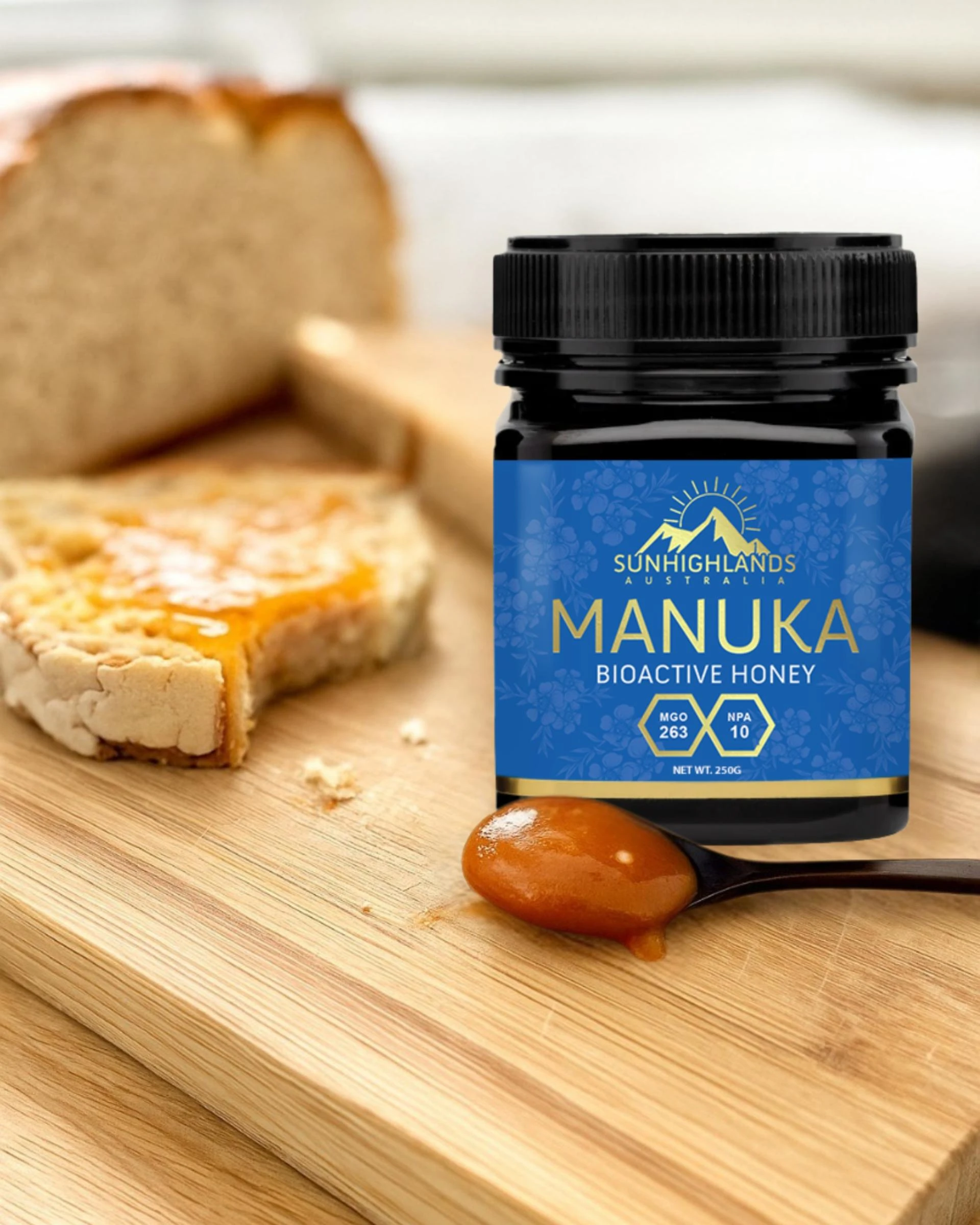
- Local producers or Manuka honey brands known for high standards
Many of the top 10 best honey in Australia have earned their status not just for quality, but for purity and clean sourcing. Whether it’s Manuka from Tasmania or wild bush honey from Western Australia, reputable producers often go the extra mile in production integrity.
How to Read a Honey Label Like a Pro
If you’re gluten-sensitive, here are a few label tips that go beyond the marketing buzzwords:
- Avoid vague flavorings: If it says “natural flavor” without clarification, that could hide gluten-based ingredients.
- Check for blending countries: If it says “a blend of local and imported honey,” quality and production practices may vary.
- Scan the facility information: Look for “produced in a facility that also processes wheat” disclaimers.
- Look for certification: A gluten-free certification is often a safer bet than trusting brand claims alone.
Even something as simple as choosing between a squeeze bottle and a glass jar can matter. Some manufacturers use plastic lines or adhesives not disclosed on the label, while others offer completely transparent practices.
The Link Between Honey Quality and Gluten Risk
Interestingly, the higher the honey quality, the less likely it is to pose a gluten risk. That’s because high-grade honey—especially medical-grade Manuka—is often processed under tighter controls. It’s also less likely to include added ingredients.
This makes trusted brands more than just a luxury—they’re a necessity for people managing health conditions. You’ll find that many of the top 10 best honey in Australia double down on traceability and lab-tested purity.
That list often includes:
- Local Manuka producers using controlled extraction
- Organic bush honey brands
- Artisanal apiaries with single-origin honey
These options tend to cost more, but they remove the guesswork entirely.
If You’re Gluten-Free, Can You Still Enjoy Honey?
Absolutely. In fact, honey can be one of the most enjoyable sweeteners for gluten-free diets—as long as it’s sourced with care. When you stick to raw or certified honey, you're not only avoiding gluten, but also benefiting from trace nutrients, antioxidants, and antibacterial properties.
Here’s how to safely include honey in your gluten-free lifestyle:
- Use raw or unprocessed honey for sweetening tea or yogurt.
- Choose locally sourced honey where you can ask about production methods.
- Store it separately to avoid cross-contact with gluten foods in your kitchen.
- Avoid flavored or novelty honeys unless clearly labeled gluten-free.
Just like Sandra from Parramatta learned the hard way—sometimes you need to go beyond the label and understand the story behind the jar.
Final Word: Simplicity Requires Clarity
The appeal of honey is its simplicity. It comes from bees, not a laboratory. But in a commercial world where products are flavored, blended, and bulk-packaged, even honey can carry unexpected risks for those with gluten sensitivity.
The good news is: with the right knowledge and a little label reading, you can keep enjoying honey safely. Trust your instincts, ask questions, and lean on producers who take purity seriously.
Because for gluten-free living, confidence in your food is just as important as the ingredients themselves.