In today's fast-paced world, ensuring that children receive the right balance of nutrients is a growing concern for parents. With busy schedules, picky eating habits, and processed foods dominating the market, many turn to multivitamins as a convenient solution. But are children’s multivitamins truly necessary, or are they just another health trend?
Understanding Children's Nutritional Needs
Children require a variety of essential vitamins and minerals for proper growth and development. Nutrients such as vitamin D3, calcium, iron, and omega-3 fatty acids play a crucial role in bone strength, immune function, and cognitive development. Ideally, these nutrients should come from a well-balanced diet consisting of fruits, vegetables, whole grains, and proteins. However, in reality, many kids do not meet their daily nutritional requirements.
Why Consider a Children's Multivitamin?
While a perfect diet is always the goal, various factors make it challenging to achieve. Some reasons why parents might consider a children’s multivitamin include:
- Picky Eating Habits: Many children refuse to eat certain nutrient-rich foods, leading to deficiencies over time.
- Dietary Restrictions: Vegetarian, vegan, or dairy-free diets may limit certain essential nutrients like vitamin B12, iron, or calcium.
- Busy Lifestyles: Families often rely on quick meals that may lack adequate vitamins and minerals.
- Immune Support: During seasonal changes or illness, a boost of essential nutrients can help maintain a child's immune system.
The Role of Vitamin D3 in Children's Health
Among all the vitamins, vitamin D3 is one of the most crucial for kids. It aids in calcium absorption, ensuring strong bones and teeth. Since natural sources of vitamin D3—like sunlight and fortified dairy products—may not be sufficient, supplementation can be beneficial, particularly in regions with limited sun exposure.
Choosing the Right Multivitamin
When selecting a children’s multivitamin, it's essential to look for high-quality ingredients and a balanced formulation. Here are some key considerations:
- Formulation: Opt for multivitamins with natural ingredients, avoiding artificial colors and preservatives.
- Chewable Tablet or Gummies: Many children prefer a chewable tablet or gummy form over traditional pills, making it easier to incorporate into their routine.
- Key Nutrients: Ensure the product contains essential vitamins like A, C, D3, and E, along with minerals like zinc and iron.
- Reputable Brand: Trustworthy brands undergo third-party testing to guarantee purity and effectiveness.
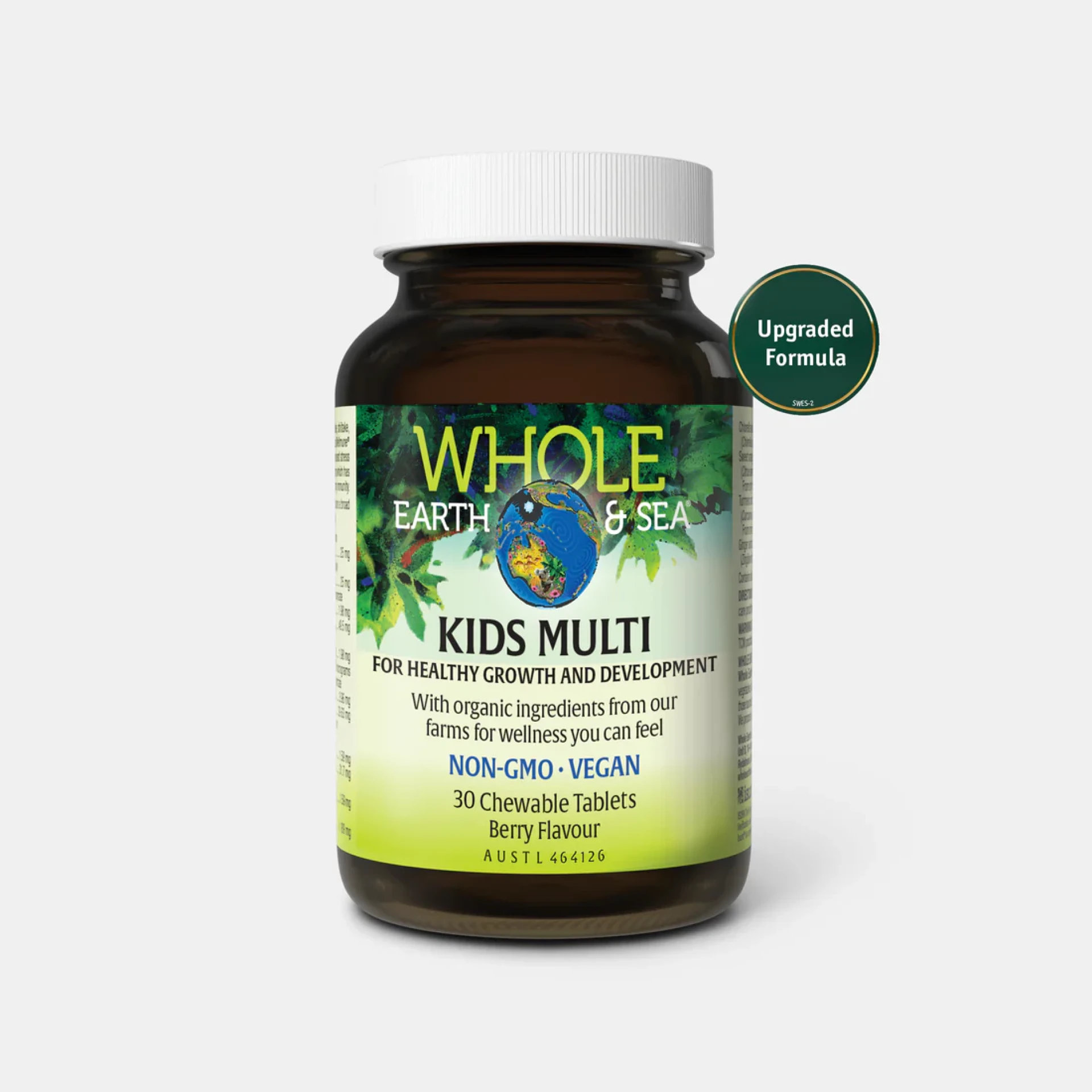
If you're looking for a high-quality multivitamin for your child, check out this carefully formulated kids' multi, designed to support overall health and development.
Do Kids Really Need Multivitamins?
The necessity of children’s multivitamins largely depends on the individual child’s diet and lifestyle. If your child eats a diverse range of nutritious foods, they may not need a supplement. However, for those who struggle with dietary gaps, a well-formulated multivitamin can be a beneficial addition to ensure they receive adequate nutrients.
Final Thoughts
While multivitamins should not replace a healthy diet, they can serve as a valuable supplement for children who need extra nutritional support. Whether your child requires one depends on their eating habits, lifestyle, and specific health needs. If you’re unsure, consulting a pediatrician can help determine the best approach for your little one’s well-being.
At the end of the day, ensuring children receive the right nutrients is essential for their growth and overall health. Whether through food or supplements, making informed choices will help set them up for a healthy future!