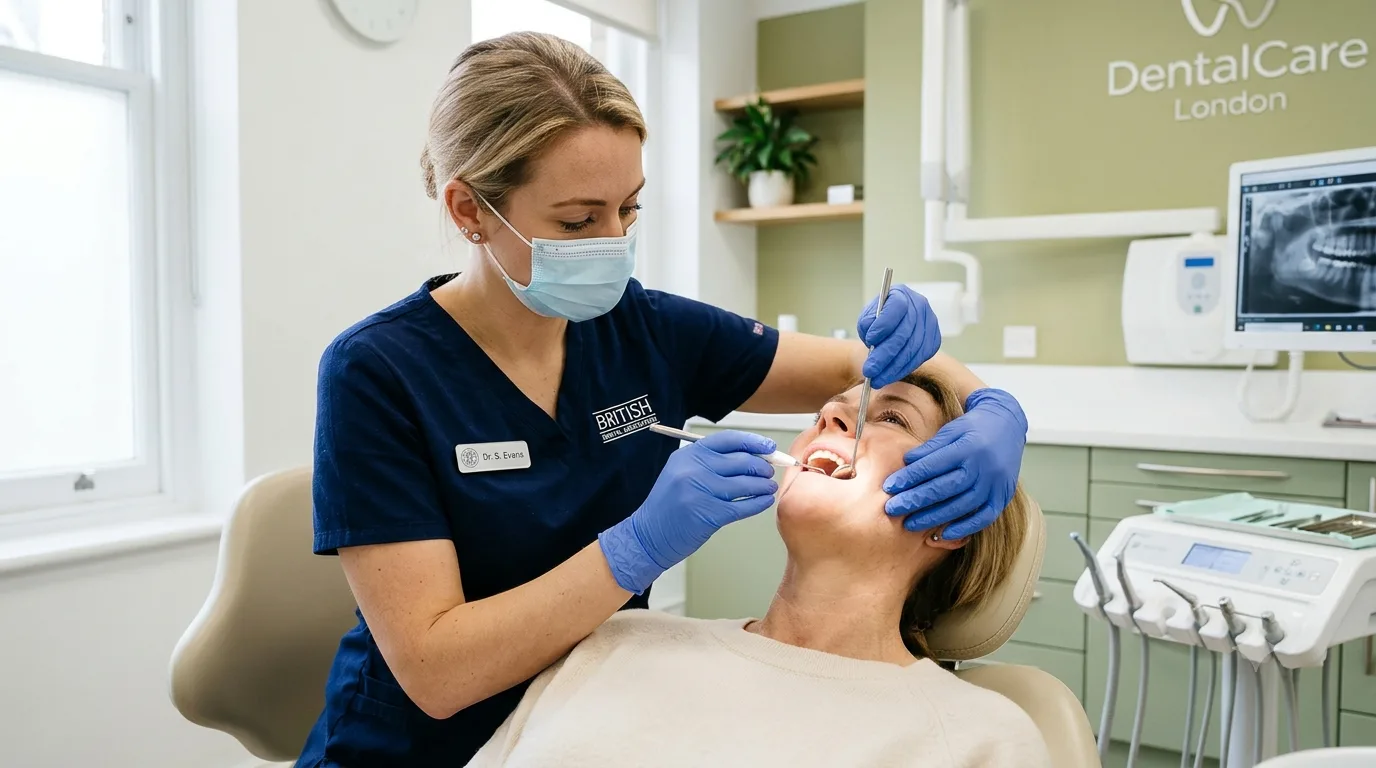
Losing several teeth can affect far more than your smile. Eating, speaking clearly and feeling comfortable in social situations can all become harder. For many people in the UK, multiple dental implants offer a stable, long-term way to rebuild a complete, natural-looking set of teeth.
This guide explains how multiple implants work, who they suit, what the process involves and what to consider before you start.
What Are Multiple Dental Implants?
A dental implant is a small titanium post placed in the jawbone to act as an artificial tooth root. Once it has healed and fused with the bone, it can support a crown, bridge or implant-supported denture.
Multiple dental implants are used when more than one tooth is missing. You do not usually need one implant for every missing tooth. Several implants can support a bridge or a full arch of replacement teeth, depending on your bone levels, gum health and goals.
Why People Choose Multiple Implants
Many patients across the UK choose implants over traditional dentures or bridges because they offer:
- Stability: Implants anchor firmly in the jaw, so they do not slip or click like some removable dentures.
- Better chewing and speech: A secure fit makes it easier to eat a varied diet and speak with confidence.
- Bone protection: When a tooth is lost, the jawbone beneath it can gradually shrink. Implants help preserve its structure.
- Natural appearance: Each restoration is custom-made to match the shape and shade of your own teeth.
- Long-term value: With good care, implants can last for decades.
Who Is Suitable?
Multiple implants are generally suited to adults who are missing several teeth, or a full arch, and who have reasonably healthy gums and enough jawbone. Where bone is limited, additional procedures may be discussed first. A thorough assessment is the only way to know what is right for you.
Habits such as smoking, and conditions such as untreated gum disease, can affect healing. A good practice will talk these through openly and help you prepare.
What Does the Treatment Process Involve?
Every case is different, but the journey typically follows three stages.
1. Consultation and planning. Your dental team assesses your gum health and bone levels, usually using digital 3D scans and photographs. This allows them to plan the number and position of implants precisely.
2. Implant placement and healing. The implants are placed under local anaesthetic, so the procedure is comfortable. Some mild soreness for a few days afterwards is normal and manageable. The jawbone then needs time to bond with the implants.
3. Final restoration. Once healing is complete, your custom bridge, crowns or implant-supported denture is fitted and adjusted for comfort and bite.
Overall, treatment usually takes several months from placement to final restoration, with around three to five appointments including the healing phase.
How Much Do Implants Cost in the UK?
Cost depends on how many implants you need, the type of restoration and whether any preparatory treatment is required. Private implant treatment is a significant investment, so it helps to get a clear written treatment plan and ask what is and is not included. Many UK practices also offer finance options to spread the cost, so it is worth asking about this during your consultation. At Southwell Dental Care, treatment starts from £2,995, with the final price confirmed after a personal assessment.
Caring for Your Implants
Implants cannot decay, but the gums around them can still become inflamed if plaque builds up. To protect your investment:
- Brush twice daily and clean between your teeth every day
- Attend regular hygiene appointments and check-ups
- Avoid smoking
- Follow any specific aftercare advice from your dental team
What If You Only Need One Tooth Replaced?
If only one tooth is missing, a different approach may suit you better. A single dental implant with a custom crown can replace an individual tooth without affecting the teeth beside it.
Choosing the Right Dental Practice
When comparing UK practices, look for:
- Clear explanations and a written treatment plan
- Modern diagnostic technology such as 3D scanning
- A calm, supportive environment, especially if you feel anxious
- Registration with the Care Quality Commission (CQC)
- Honest information about timescales, costs and aftercare
Frequently Asked Questions About Multiple Dental Implants
How many implants will I need?
It depends on how many teeth are missing, the condition of your jawbone and the type of restoration planned. In many cases, a few implants can support a bridge or a full arch of teeth, so you rarely need one implant per missing tooth. Your dentist will confirm the number after scans and an assessment.
Are multiple dental implants painful?
The procedure is carried out under local anaesthetic, so you should not feel pain during treatment. Afterwards, mild discomfort or swelling for a few days is common and can usually be managed with simple pain relief and the aftercare advice you are given.
How long does the treatment take?
Most treatment takes several months from implant placement to the final teeth being fitted. This includes a healing period, which allows the implants to bond securely with the jawbone.
Do implants look natural?
Yes. Crowns, bridges and implant-supported dentures are custom-made to match the colour, shape and size of your natural teeth, so the result blends in with the rest of your smile.
Can implants replace a denture?
Yes. If you have loose or uncomfortable dentures, implant-supported dentures are a secure alternative. They are fixed in place by implants, so they are far less likely to move when you eat or speak.
How long do dental implants last?
With good oral hygiene, regular check-ups and a healthy lifestyle, implants can last for decades. The crowns or bridges attached to them may eventually need replacing due to normal wear.
What is the recovery like?
Most people experience mild soreness, swelling or bruising for a few days. Many return to normal routines quickly, although you may be advised to eat softer foods and avoid smoking while the area heals.
Are dental implants available on the NHS?
NHS funding for implants is generally limited to specific clinical cases, so most people in the UK arrange implants privately. Your dentist can explain what applies in your situation.
How much do multiple dental implants cost?
The price depends on the number of implants, the restoration type and any preparatory treatment. You will receive a clear, personalised quote after your consultation, and many practices offer finance to spread the cost.
Final Thoughts
Multiple dental implants can restore comfort, function and confidence when several teeth are missing. With careful planning and good aftercare, they can be a long-lasting solution. The best first step is an in-depth consultation, where your options can be explained clearly and without pressure.