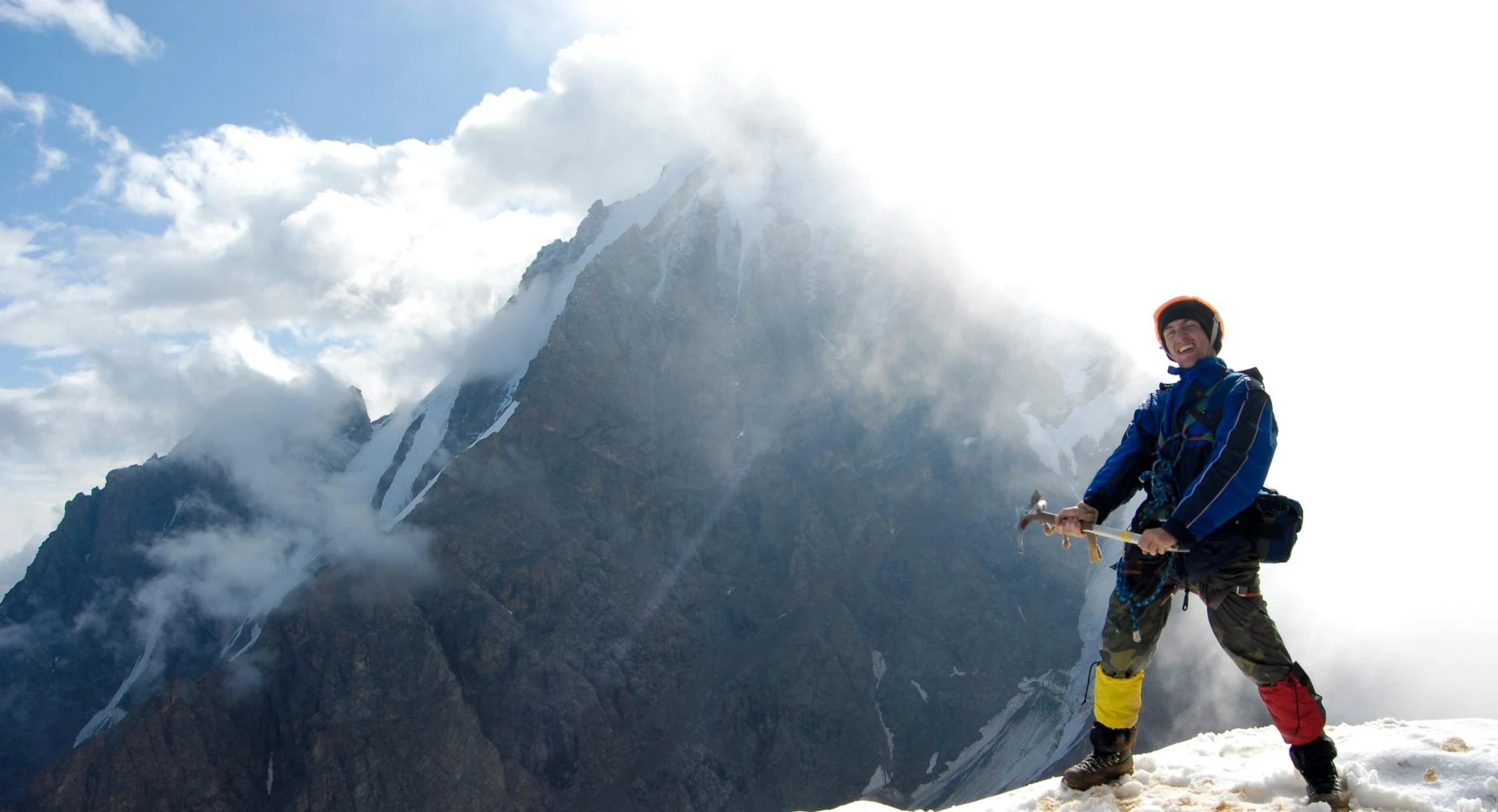
The mt Batian climb stands among the most demanding alpine ascents in Africa, attracting experienced mountaineers who seek steep rock, exposure, and high-altitude commitment. Rising sharply above the rugged massif of Mount Kenya, Batian represents a true test of skill, endurance, and mental focus. Unlike trekking peaks where determination alone may lead to the summit, Batian requires technical rock climbing ability, solid rope work, and the confidence to move efficiently on exposed terrain.
For serious climbers, the mountain delivers an experience that blends classic alpine climbing with dramatic equatorial landscapes. Granite towers rise above glaciers and moorlands, clouds roll through the valleys below, and long multi-pitch routes demand constant attention. Reaching the summit is less about ticking off a famous peak and more about mastering a route that has challenged climbers for decades.
Ice Rock Trekking works closely with skilled mountain professionals and local logistics teams to support climbers attempting Batian. With careful planning, the right season, and experienced leadership, this legendary peak becomes a rewarding objective for those prepared to meet its challenges.
Mount Kenya and the Legendary Batian Summit
Mount Kenya is the second-highest mountain in Africa, rising to 5,199 meters above sea level. Its jagged skyline features several dramatic peaks carved from ancient volcanic rock. Among them, Batian stands as the highest and most technically demanding.
Batian towers above neighboring summits with sheer granite faces that require real climbing ability. The mountain sits beside Nelion, its slightly lower twin, forming a dramatic pair of rock spires that dominate the central summit area.
Key facts about Batian:
- Elevation: 5,199 meters
- Location: Central Kenya
- Mountain range: Mount Kenya massif
- Climbing style: Technical rock climbing
- Typical route: North Face Standard Route
While trekking routes reach nearby peaks like Point Lenana, Batian belongs to the realm of mountaineers rather than hikers. Ropes, protection, helmets, and climbing strategy are essential from the moment the route begins.
Why the Mt Batian Climb Appeals to Technical Mountaineers
Climbers drawn to Batian often seek more than altitude. They look for authentic alpine routes that combine difficulty with spectacular terrain.
Several factors make Batian especially attractive:
1. True Alpine Rock Climbing
The mountain features steep granite walls with multiple pitches, chimneys, cracks, and exposed traverses. Climbers must place protection, manage rope systems, and maintain steady movement through complex terrain.
2. High Altitude Challenge
At over 5,000 meters, thin air adds another layer of difficulty. Even strong climbers notice the effect of altitude while tackling sustained rock sections.
3. Historic Routes
Batian’s classic lines have been climbed for decades. Many follow elegant natural weaknesses in the granite, making the ascent feel both traditional and adventurous.
4. Wild African Setting
Few mountains combine technical climbing with wildlife-rich landscapes below. Forests, alpine meadows, and glaciers surround the massif, creating an unforgettable expedition atmosphere.
Best Season for the Mt Batian Climb
Weather plays a major role in success. Clear conditions are critical because rain or ice quickly increases the difficulty of the rock.
Mount Kenya has two primary dry climbing windows:
January to March
- Generally stable weather
- Clear skies and dry rock
- Excellent climbing conditions
July to October
- Another reliable period
- Cooler temperatures
- Reduced afternoon storms
Outside these seasons, rainfall and fog frequently cover the mountain. Wet granite dramatically increases risk, so careful planning around the dry periods improves safety and summit chances.
Classic Route to Batian Summit
The North Face Standard Route remains the most frequently attempted line on Batian. Though considered the “standard” path, it still demands solid climbing ability and alpine efficiency.
Route Overview
- Difficulty: Grade IV / UIAA IV+ to V
- Length: Approximately 600 meters of climbing
- Style: Multi-pitch alpine rock climbing
- Time required: 10–15 hours round trip from camp
The route follows cracks, chimneys, and ledges that weave through the imposing north face. Climbers navigate around towers and gullies before reaching the final summit ridge.
Key Sections
Initial Pitches
The climb begins with moderate rock climbing that gradually increases in exposure. These early pitches allow teams to settle into rhythm and rope management.
Nelion Crossing Area
Climbers move through complex terrain near the connecting ridge between Batian and Nelion. Careful navigation ensures the correct line toward Batian’s summit.
Upper Chimneys
Steeper rock features dominate the upper section. Chimneys and cracks require strong technique, efficient protection placement, and confidence in exposed positions.
Summit Block
The final moves lead onto the narrow summit ridge. Standing on the highest point reveals dramatic views across the Kenyan highlands and distant savannah plains.
Training Required for Batian
Batian is not a beginner climb. Preparation must include both physical conditioning and technical practice.
Technical Climbing Skills
Climbers should already be comfortable with:
- Multi-pitch rock climbing
- Crack and chimney techniques
- Rope systems and anchor building
- Belaying in exposed alpine terrain
Regular climbing on routes graded around 5.7 to 5.8 (YDS) or similar alpine grades builds confidence for Batian’s terrain.
Endurance and Fitness
A summit attempt often lasts more than 12 hours. Climbers must maintain energy and focus for long periods.
Recommended training includes:
- Long hikes with heavy packs
- Cardio workouts for altitude stamina
- Core strength for balance and climbing movement
Altitude Preparation
Though Batian is not extremely high compared with Himalayan peaks, altitude still affects performance.
Acclimatization climbs around Mount Kenya help the body adapt before attempting the summit route.
Essential Gear for the Mt Batian Climb
Proper equipment ensures safety and efficiency on the mountain.
Personal Climbing Equipment
Each climber typically carries:
- Climbing harness
- Helmet
- Mountaineering boots
- Belay device
- Climbing gloves
- Headlamp
- Warm layers
Technical Climbing Gear
Shared equipment for the team includes:
- Dynamic climbing rope
- Set of cams and nuts
- Quickdraws and slings
- Carabiners
- Alpine protection gear
Mountain Equipment
Additional items required for the approach and summit day include:
- Waterproof clothing
- Insulated jacket
- Hydration system
- High-energy food
- Emergency kit
Ice Rock Trekking assists climbers with logistics, gear recommendations, and equipment coordination before the expedition begins.
Acclimatization Routes on Mount Kenya
Before attempting Batian, climbers typically spend several days exploring the mountain’s trekking routes. This period helps the body adjust to altitude and provides an opportunity to enjoy the dramatic landscapes surrounding the peaks.
Popular acclimatization approaches include:
Sirimon Route
A scenic approach through forest and moorland that gradually climbs toward Shipton’s Camp.
Chogoria Route
Widely regarded as the most beautiful path on Mount Kenya. Waterfalls, lakes, and dramatic cliffs create an unforgettable trek.
Both routes bring climbers close to the central peaks, allowing rest and acclimatization before the summit push.
Typical Expedition Itinerary
Most Batian expeditions follow a schedule that balances acclimatization with climbing preparation.
Day 1 – Arrival and Transfer
Travel to the Mount Kenya region and prepare gear with the climbing team.
Day 2 – Trek to Base Camp
Hike through forest and alpine terrain toward Shipton’s Camp or Austrian Hut.
Day 3 – Acclimatization Climb
Practice climbing and explore nearby rock formations.
Day 4 – Rest and Preparation
Hydration, gear checks, and weather assessment.
Day 5 – Batian Summit Attempt
Start early before sunrise and climb the North Face Standard Route.
Day 6 – Descent and Departure
Return through the mountain valleys toward the park gate.
Ice Rock Trekking customizes itineraries based on team experience and weather conditions.
Safety Factors on Batian
Technical climbs require careful risk management. Batian presents several challenges that climbers must respect.
Weather Changes
Storms can develop quickly around Mount Kenya. Lightning, rain, and fog create dangerous climbing conditions.
Loose Rock
Some sections contain unstable blocks. Helmets and careful movement reduce risk.
Exposure
Long drops below the route demand steady movement and precise rope systems.
Fatigue
Extended climbing at altitude requires constant hydration and nutrition.
Working with experienced mountain professionals significantly increases safety and efficiency.
Wildlife and Natural Beauty Around Mount Kenya
Though the summit area feels like a remote alpine fortress, the lower slopes host remarkable biodiversity.
Trekkers often encounter:
- Giant lobelia plants
- Alpine heather forests
- Sunbirds and eagles
- Rock hyrax colonies
In the surrounding national park, wildlife such as buffalo, antelope, and elephants roam the forests. The contrast between wildlife habitat and technical granite peaks makes Mount Kenya unique among climbing destinations.
Mental Strength and the Batian Experience
Technical climbing often tests the mind as much as the body. Batian’s long pitches and exposed ridges require calm decision-making.
Climbers frequently describe moments when:
- Clouds drift below the route
- Sunlight reflects off the granite towers
- Silence surrounds the summit ridge
These experiences create a deep sense of achievement that goes beyond reaching a geographic high point.
Success on Batian depends on patience, discipline, and trust within the climbing team.
Environmental Responsibility on Mount Kenya
Mount Kenya is both a national park and a UNESCO World Heritage Site. Climbers share responsibility for protecting its fragile alpine ecosystem.
Responsible practices include:
- Carrying out all waste
- Staying on established trails during approaches
- Avoiding damage to vegetation
- Respecting wildlife habitats
Ice Rock Trekking emphasizes sustainable mountain travel and works with local communities to preserve the region’s natural beauty.
Why Climb Batian with Ice Rock Trekking
A successful Batian ascent requires careful coordination, experienced leadership, and local knowledge. Ice Rock Trekking provides support that allows climbers to focus on the technical challenge rather than logistical obstacles.
Support services include:
- Experienced climbing professionals
- Park permits and expedition logistics
- Equipment coordination
- Safety planning
- Acclimatization scheduling
The company’s experience with East African mountain expeditions ensures climbers receive reliable guidance throughout the journey.
Final Thoughts on the Mt Batian Climb
The mt Batian climb stands as one of Africa’s most respected alpine objectives. Steep granite, dramatic exposure, and high-altitude conditions combine to create a demanding but deeply rewarding ascent.
For climbers who thrive on technical routes rather than trekking paths, Batian offers a rare opportunity to test skill, endurance, and focus against a legendary peak. Each pitch builds toward a summit earned through precision and determination.
Those who reach the top rarely forget the view: jagged ridges stretching across Mount Kenya, clouds swirling beneath the summit, and the quiet satisfaction of completing one of Africa’s finest technical climbs.
With strong preparation and experienced support from Ice Rock Trekking, the Batian summit becomes an unforgettable achievement in the career of any dedicated mountaineer.