The eight-hour workday has quietly stretched into something longer for a great many people. Remote schedules blur boundaries, deadlines pile up, and the chair that felt acceptable during a short morning session becomes a source of genuine discomfort by late afternoon. MSDA has spent years studying what happens to the human body during extended seated work, and the findings are not encouraging for anyone perched on inadequate seating. This article explains why ergonomic design deserves serious attention from organizations whose people spend long hours at desks, and how thoughtful chair construction addresses the specific stresses that accumulate over a full working day.
What Extended Sitting Actually Does to the Body
Sitting for long stretches triggers a cascade of small physiological changes that most people never notice until they become problems. Blood flow slows in the legs, spinal discs lose hydration, and muscles in the back and shoulders tighten as they work to hold posture without support. The body adapts to whatever position it occupies most frequently, which is why poorly supported sitters gradually develop rounded shoulders and compressed lower backs. MSDA's design philosophy begins with understanding these mechanisms, because an ergonomic custom office chair is not simply a comfortable one; it is furniture engineered to counteract the specific stresses that prolonged sitting creates throughout the day.
Supporting the Spine Through the Long Hours
The lower back bears the brunt of extended sitting, and it needs consistent support rather than occasional attention. MSDA's chairs feature adjustable lumbar support that sits in the natural inward curve of the spine, filling the gap that would otherwise cause the back to slump forward. This support must remain comfortable for hours, not merely for the first twenty minutes, which is why foam density and contouring receive careful attention. When the lumbar region is properly supported, the surrounding muscles relax instead of working constantly, and users finish the day with less fatigue than they would otherwise carry home.
Why Movement Matters More Than Perfect Posture
The idea that there is one ideal sitting posture has quietly been abandoned by ergonomics researchers, and MSDA's designs reflect the newer understanding. Bodies thrive on movement, and static positioning, even in a good posture, causes stiffness and discomfort over long periods. The company's chairs encourage subtle motion through mechanisms that allow gentle rocking, recline that responds to body weight, and seats that accommodate shifting position. Armrests and seat depth adjustments allow users to change how they sit throughout the day. This emphasis on supported movement distinguishes genuinely ergonomic seating from chairs that merely offer a checklist of adjustments.
Pressure Distribution and the Seat Beneath You
Long hours in a chair concentrate pressure on the thighs and buttocks, restricting circulation and producing the numbness many office workers recognize by mid-afternoon. MSDA addresses this through high-density foam contoured to distribute weight across the seat rather than concentrating it at pressure points. Softer zones near the front edge relieve pressure behind the knees, while firmer zones toward the rear maintain support. Seat depth adjustment ensures that the edge does not press into the legs of taller users or leave shorter users unsupported. These details determine whether the seat remains comfortable through a ten-hour day or begins to feel like a hard bench by lunchtime.
The Head and Neck in the Ergonomics Equation
The upper body often gets overlooked in chair design discussions, yet neck and shoulder strain accumulates steadily during long screen-based work. MSDA's executive and task models offer headrests and backrest angles that support the natural curve of the neck without forcing the head forward. Armrests adjust so that elbows rest lightly rather than shoulders hunching to compensate. These features matter especially for users who alternate between typing, reading documents, and taking calls, since each activity changes what the upper body needs. Small supports in the right places prevent the gradual tension that turns into chronic discomfort over months and years.
Why Custom Matters for Different Bodies and Tasks
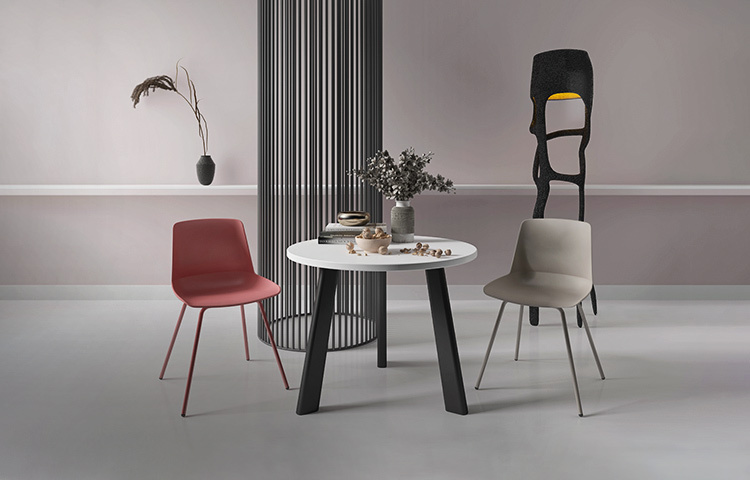
A chair that fits one user perfectly may fit another poorly, and MSDA's custom approach recognizes this reality. Body proportions vary enormously, and so do work patterns, from focused individual tasks to collaborative sessions that involve constant movement. Customization allows organizations to specify chairs with the adjustment ranges, dimensions, and features appropriate to their workforce and their work. Rather than forcing employees to adapt to a generic design, MSDA designs chairs that adapt to employees. For organizations where long hours are routine, this fit is not a luxury but a practical investment in comfort and productivity.
The Business Case for Ergonomic Seating
Organizations sometimes view ergonomic chairs as a wellbeing gesture with unclear returns, but the case is more concrete than that. Discomfort distracts, reduces focus, and contributes to the musculoskeletal complaints that account for a significant share of workplace absences. Chairs that support the body through long days help employees sustain attention and finish work without carrying accumulated strain home. MSDA works with clients to calculate this value against the cost of inadequate seating, and the arithmetic usually favors investing properly. When people spend most of their waking hours in a chair, that chair should be built to protect them through every one of those hours.