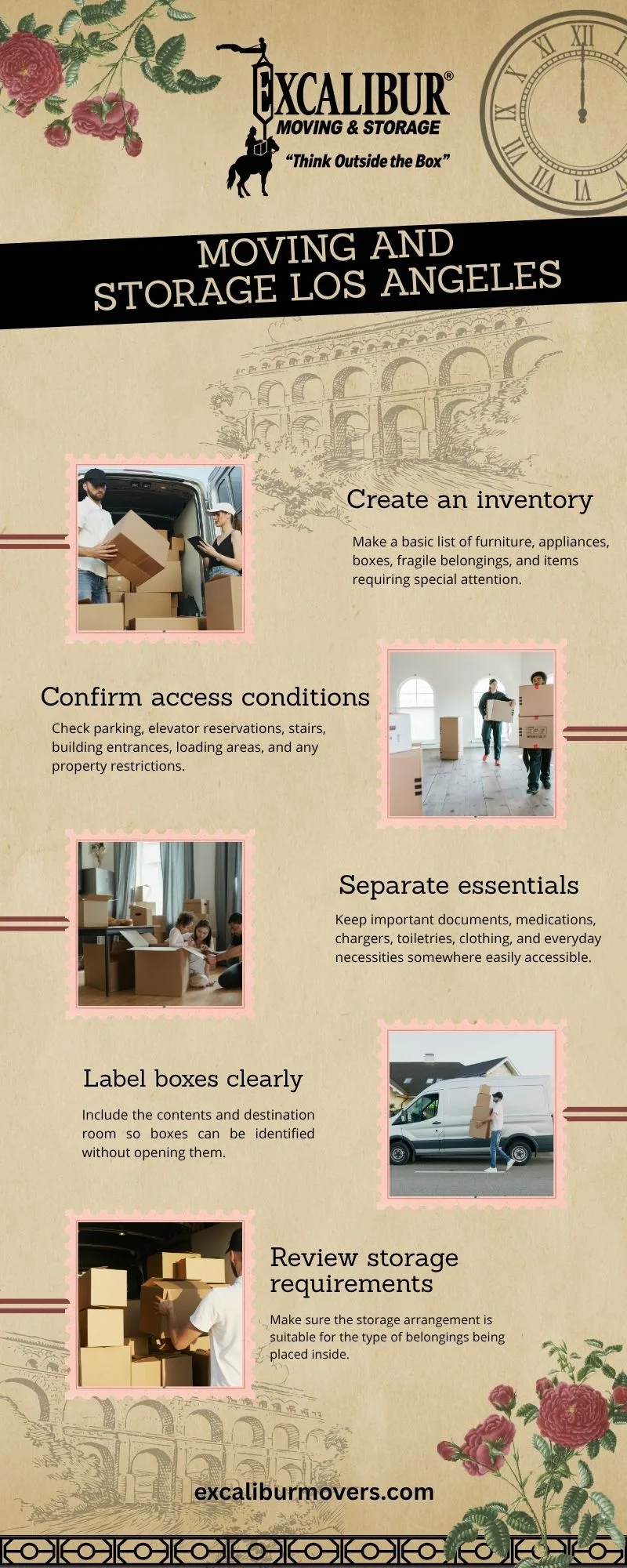
Moving to a new home or office requires careful planning, especially when belongings need to be transported and stored temporarily. Moving And Storage Los Angeles services combine transportation with storage options, helping people manage moves when their new property is not ready, their moving dates do not align, or they need extra space during a transition. Understanding how these services work can help individuals and businesses make informed decisions.
Whether you are relocating within Los Angeles, moving to another city, or organizing a commercial relocation, knowing your options can make the process easier to manage. Comparing services, understanding costs, and preparing belongings properly can also reduce delays and avoidable expenses.
What Is Moving and Storage?
Moving and storage is a service that combines the transportation of belongings with temporary or longer-term storage. Instead of moving everything directly into a new property, customers can arrange for their items to be stored until they are ready for delivery.
These services may be useful for homeowners, renters, students, businesses, and people coordinating complicated relocation schedules.
How Does Moving and Storage Work?
The process generally involves several steps:
- Planning: Determine the moving date, inventory, destination, and storage duration.
- Packing: Organize belongings and protect fragile or valuable items.
- Transportation: Move the packed belongings from the original location.
- Storage: Place items in an appropriate facility or storage arrangement.
- Delivery: Transport the belongings to the final destination when needed.
The exact process depends on the provider, storage arrangement, distance, and type of items being moved.
Why Do People Need Moving and Storage in Los Angeles?
Los Angeles has a diverse housing market, busy roads, and a mix of residential and commercial properties. These factors can make relocation challenging when moving dates, access restrictions, and property availability do not align.
1. Delays Between Moving Dates
A lease may end before a new apartment becomes available. Similarly, a home purchase may be delayed because of paperwork, repairs, or construction. Temporary storage provides a place for belongings during the gap.
2. Downsizing to a Smaller Property
Moving into a smaller home may require people to decide which belongings they need immediately and which can be stored. Storage can provide additional time to organize possessions without overcrowding the new property.
3. Renovations and Home Improvements
Furniture, appliances, and personal belongings may need to be removed before painting, flooring work, or major renovations. Keeping these items in storage can help protect them from dust, accidental damage, and restricted access.
4. Business and Office Relocations
Businesses may need to store desks, filing cabinets, equipment, inventory, or other office materials while a new workplace is prepared. Coordinated moving and storage arrangements can help reduce disruption during the transition.
Benefits of Moving and Storage Services
Choosing a combined service can offer several practical advantages when relocation involves more than one stage.
Greater Scheduling Flexibility
Storage allows people to separate the moving date from the delivery date. This can be helpful when closing dates, lease agreements, renovation schedules, or travel plans change.
Better Organization
Packing and storing belongings in planned groups makes it easier to identify items that are needed immediately. Clearly labeled boxes and an inventory list can simplify retrieval later.
Reduced Clutter
Temporary storage can help keep a property organized during staging, remodeling, or downsizing. It also reduces the number of items that need to be arranged at the destination immediately.
More Convenient Coordination
Using a coordinated moving and storage arrangement may reduce the need to organize separate transportation and storage providers. However, it is important to compare the total cost, responsibilities, and terms before choosing an option.
Types of Moving and Storage Options
Different relocation situations require different storage arrangements. The right choice depends on the quantity of belongings, access requirements, budget, and length of storage.
Short-Term Storage
Short-term storage is generally suitable for brief periods, such as a few days or weeks. It may help when waiting for a property handover or completing a renovation.
Long-Term Storage
Long-term storage is useful when belongings will not be needed for several months or longer. Before choosing it, review recurring fees, security arrangements, environmental conditions, and access rules.
Climate-Controlled Storage
Climate-controlled storage maintains a more consistent temperature and, in some facilities, humidity level. It may be appropriate for certain wooden furniture, artwork, photographs, documents, and other items sensitive to environmental changes. Requirements vary by material, so check the manufacturer's storage guidance when available.
Business and Fleet-Related Storage
Some commercial relocations involve equipment, supplies, vehicles, or materials associated with business fleets. Moving And Storage Los Angeles For Fleets may refer to coordinated relocation and storage planning for fleet-related assets. Businesses should confirm whether a provider handles vehicles, commercial equipment, or only ordinary household and office belongings, because these services require different facilities and procedures.
Comparing Moving and Storage Options
The following comparison highlights common arrangements and their practical uses.
OptionBest suited forMain considerationShort-term storageBrief gaps between moving datesMinimum rental period and daily or monthly chargesLong-term storageExtended periods away from a propertyRecurring costs and access conditionsClimate-controlled storageItems sensitive to temperature or humidityEnvironmental controls and additional feesSelf-storagePeople who want to manage access themselvesTransporting items to and from the unitMoving company with storageRelocations requiring coordinated handlingService scope, delivery fees, and storage termsCommercial storageOffice equipment and business suppliesSecurity, capacity, and business access needsAvailability and service details vary by provider. Always request a written estimate that explains transportation, handling, storage, and final delivery charges.
Common Mistakes to Avoid
Poor planning can lead to additional costs, damaged belongings, and unnecessary delays.
Not Checking the Full Price
A low initial estimate may not include packing materials, labor, fuel charges, storage fees, insurance options, or final delivery. Ask for an itemized quote and clarify which charges may change.
Choosing the Wrong Storage Size
A unit that is too small can make safe organization difficult, while an oversized unit may cost more than necessary. Prepare an inventory and discuss the approximate volume of your belongings before booking.
Packing Items Without Labels
Unlabeled boxes can make it difficult to locate essential items. Label each box with its contents and destination room. Keep an inventory of valuable or important belongings.
Ignoring Storage Restrictions
Storage facilities may restrict food, hazardous materials, flammable liquids, or other items. Ask for a complete list of prohibited goods before packing.
Overlooking Access and Delivery Rules
Some facilities require advance notice for access or delivery. Confirm operating hours, appointment requirements, vehicle access, and delivery scheduling before committing.
Expert Tips for a More Organized Move
A few practical steps can make relocation more manageable.
- Create an inventory: List furniture, boxes, appliances, and special items before requesting estimates.
- Declutter first: Donate, sell, recycle, or discard belongings that are no longer needed.
- Protect fragile items: Use suitable padding and strong boxes, and clearly mark fragile packages.
- Keep essentials separate: Pack medications, important documents, chargers, basic clothing, and daily necessities for easy access.
- Photograph valuable belongings: Keep photographs and records of the condition of important items before transportation.
- Confirm insurance coverage: Understand the difference between a provider's liability and insurance coverage for your belongings. Ask what protection is available and what exclusions apply.
- Confirm dates in writing: Record pickup, storage start, expected delivery, and any notice requirements.
Best Practices for Choosing a Provider
When comparing Moving And Storage Los Angeles providers, evaluate the service rather than relying on price alone.
Verify Credentials and Reviews
Check business details, relevant licensing requirements, customer feedback, and complaint history where applicable. For interstate moves, verify applicable federal requirements. California intrastate household-goods movers may be subject to state-specific rules.
Ask Detailed Questions
Before signing an agreement, confirm:
- What is included in the estimate?
- Is storage charged by the day, week, or month?
- Are pickup and final delivery charged separately?
- Who is responsible for loading and unloading?
- How are belongings secured and monitored?
- What happens if the delivery date changes?
- What are the cancellation terms and claims procedures?
Review the Written Agreement
Read the contract carefully before making payment. Confirm the inventory, pricing, storage duration, access rules, delivery terms, and responsibility for damaged or missing items.
People Also Ask About Moving and Storage
How much does moving and storage cost in Los Angeles?
The cost depends on the size of the move, distance, labor, packing needs, storage duration, and delivery requirements. Request an itemized estimate based on your actual inventory and schedule.
Is it better to move and store belongings with one provider?
A single provider may simplify coordination, but it is not always the least expensive option. Compare combined service quotes with separate moving and storage arrangements.
How long can belongings stay in storage?
The permitted duration depends on the facility's contract. Some arrangements are designed for short periods, while others allow storage for months or longer under recurring agreements.
Should furniture be covered before storage?
Yes, suitable covers can help protect furniture from dust and surface scratches. Use breathable materials when appropriate, and make sure furniture is clean and completely dry before storing it.
Can businesses store equipment during an office move?
Many commercial storage facilities accommodate office furniture, supplies, and certain equipment. Businesses should confirm size limits, access requirements, security arrangements, and restrictions on specialized materials.
Frequently Asked Questions
1. When should I book moving and storage services?
Book as early as practical, especially during busy moving periods. Early planning gives you more time to compare estimates, arrange packing, and coordinate storage and delivery dates.
2. Do moving companies provide packing materials?
Some providers offer boxes, tape, wrapping materials, and professional packing services. Others charge separately or expect customers to supply their own materials. Confirm the details before booking.
3. Is climate-controlled storage necessary?
Not for every item. Ordinary household belongings may be suitable for standard storage, depending on the facility's conditions. Items sensitive to temperature or humidity may require more controlled conditions.
4. Can I access my belongings while they are in storage?
Access depends on the storage arrangement and facility rules. Self-storage commonly allows customer access during designated hours, while other arrangements may require advance scheduling.
5. What should I keep out of storage?
Avoid storing perishable food, hazardous substances, flammable materials, and any prohibited items. Keep essential documents, medications, and frequently used personal items accessible.
6. How can I reduce moving and storage expenses?
Declutter before moving, compare itemized quotes, choose an appropriately sized unit, pack efficiently, and avoid extending storage longer than necessary.
7. What should I do if my moving date changes?
Contact the provider as soon as possible. Review the contract for rescheduling fees, storage extensions, cancellation terms, and delivery availability.
Successful relocation depends on clear planning, suitable storage, careful packing, and transparent pricing. Comparing storage types, understanding contract terms, protecting belongings, and confirming delivery arrangements can help households and businesses avoid common problems. For people arranging a local or long-distance relocation, Moving And Storage Los Angeles is most useful when the service matches their schedule, storage needs, and budget.
For further information about moving, packing, and storage arrangements, readers can consult Excalibur Movers.
Contact Us
Excalibur Moving & Storage
2G73+FH Santa Monica, California, USA
18775577777