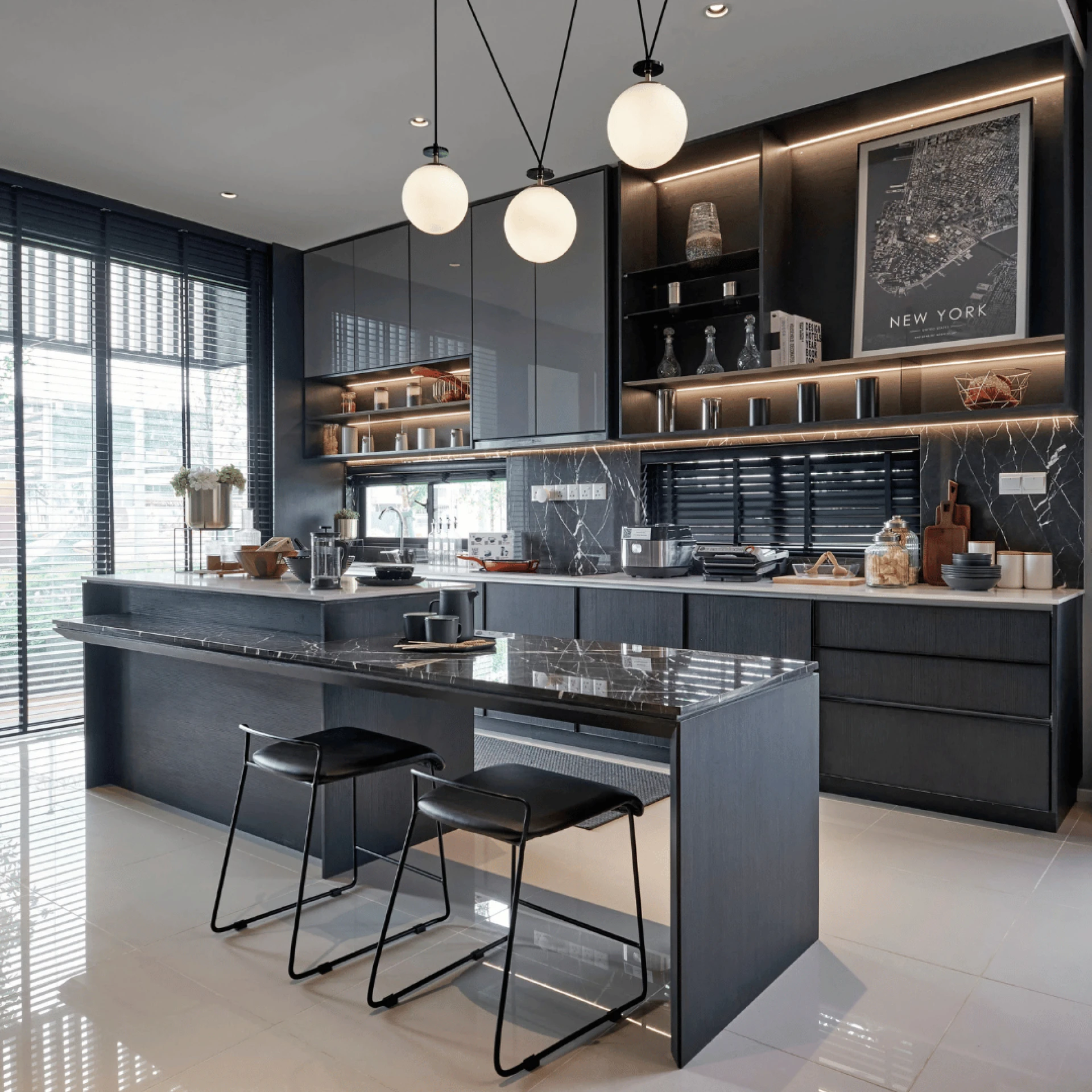
You know that feeling when you walk into a kitchen and everything just… works? Not fancy, not overdone. Just right. That’s what a well-planned modular kitchen interior does, and honestly, you don’t really notice it until you use one that isn’t planned properly.
I figured this out the hard way while thinking about my own kitchen renovation. Somewhere in the middle of comparing finishes and layouts, I realized it’s not just about cabinets or colors. It’s about how you move, cook, reach, clean… all those tiny things you don’t think about at first.
If you’ve been browsing ideas or checking out brands like Studio Interplay, you’ve probably seen how varied a modular kitchen can look. Some are minimal, some feel like a luxury modular kitchen straight out of a magazine. But real life sits somewhere in between, right?
Layout Comes First (Even If You Want to Skip It)
L-Shaped, U-Shaped, Parallel… what actually works?
So layouts. Not the most exciting part, I get it. But everything depends on this.
An L-shaped modular kitchen works well if your space is medium-sized. It keeps things open and doesn’t feel cramped. U-shaped kitchens give you more storage and counter space, though sometimes they feel a bit… boxed in.
Parallel kitchens are surprisingly practical. Everything is within reach, and if you cook often, this layout kind of makes sense without trying too hard. Straight kitchens are usually for smaller homes, but you’ll have to plan storage carefully.
I’ve seen people pick layouts just because they saw them online. Doesn’t always end well. Your daily routine matters more than what’s trending.
Materials — Where You Start Questioning Everything
Wooden Modular Kitchen vs Modern Finishes
A wooden modular kitchen has that warm, slightly classic feel. It looks good, no doubt. But it’s not always the easiest to maintain, especially with Indian cooking. Oil, heat, spices… they test everything.
Then there are laminates — affordable and available in almost every design you can imagine. Acrylic finishes look glossy and modern, though they do show fingerprints a bit too easily. Matte finishes feel calmer, less flashy, and honestly, easier to live with.
I used to think going for the most expensive material automatically meant better. Not really. It depends on how much effort you want to put into maintaining it.
Storage Planning (This One Can Make or Break It)
Drawers, Pull-Outs, and Those Awkward Corners
Storage sounds simple until you start using the kitchen daily. Then it becomes very real.
Deep drawers are way more practical than traditional cabinets. You don’t have to bend and dig around for things. Pull-out racks for spices or groceries feel like a small upgrade, but they save time.
Corner units… tricky. You either ignore them or invest in smart solutions like carousel units. Slightly expensive, but worth it if you don’t want wasted space.
And somehow, every kitchen ends up with one cabinet that’s barely used. No idea why. It just happens.
Appliances and Workflow (The Triangle Thing Actually Matters)
Sink, Stove, Fridge Placement
There’s this idea called the work triangle. It’s basically about placing your sink, stove, and refrigerator in a way that feels natural to move between them.
Not too far, not too close.
I once saw a setup where the fridge was placed almost outside the kitchen area. Looked neat in pictures, but imagine walking back and forth every time you need something. Yeah… not ideal.
Lighting (Often Ignored, Then Regretted)
Task Lighting vs General Lighting
Lighting doesn’t get enough attention. People focus on cabinets, finishes, colors… and then end up with a dim kitchen.
Under-cabinet lighting helps a lot when you’re chopping or cooking. Ceiling lights keep the overall space bright. Warm lighting makes the kitchen feel less harsh, especially in the evenings.
A poorly lit kitchen looks fine until you actually try working in it. Then you notice everything.
Finishes & Final Look
Glossy vs Matte vs Textured
This is where your kitchen starts looking like something you imagined… or something slightly different.
Glossy finishes reflect light and can make a small kitchen feel bigger. Matte finishes feel softer and are easier to maintain. Textured finishes are not as common, but they add a bit of character without being loud.
Handle-less cabinets look clean, almost too clean sometimes. But with oily hands, they’re not always the most practical choice. Regular handles might not look as sleek, but they’re easier to use.
Budget Thoughts (Because It Adds Up Quickly)
Where to Spend, Where to Hold Back
A full kitchen renovation can stretch your budget faster than expected. It’s easy to get carried away.
Spending more on hardware like hinges and drawer channels makes sense. You use them every day. Countertops too — they take the most wear.
You can probably save a bit on decorative elements or features you don’t really need.
If you’re planning kitchen and bathroom renovations together, it actually helps with managing costs and timelines. Less back and forth, less confusion.
Modular Kitchen and Wardrobes — Matching Things Up
Keeping a Consistent Look
This part is interesting. People are now trying to match their modular kitchen and wardrobes with the overall home design. Same colors, similar finishes, a bit of continuity.
It makes the space feel more connected. Not something everyone notices immediately, but it does make a difference.
Small Details That You Notice Later
The Little Things
Soft-close drawers. You might think they’re optional, but they make a difference every single day.
Anti-skid mats inside drawers help keep things in place. A slightly larger sink than you think you need — surprisingly useful.
And ventilation. Easy to ignore during planning, very noticeable later if it’s not done right.
So… Where Does That Leave You?
Designing a modular kitchen interior isn’t exactly straightforward. You start with a simple idea, then keep adjusting things along the way.
Some people go all out with a luxury modular kitchen, some keep it simple and practical. Both can work, depending on what you need.
If you’re exploring options with Studio Interplay or similar setups, just try to picture how it’ll feel on a regular day. Not just how it looks in photos.
And yeah, don’t stress too much about getting everything perfect. Kitchens change with time anyway. You’ll probably rearrange a few things after living with it for a while. Happens to almost everyone.