The kitchen is one of the most important spaces in every home. It is not only a place where meals are prepared but also an area where families spend time together and create everyday memories. As modern homes become more focused on smart space utilization and attractive interiors, modular kitchens have become an increasingly popular choice. A well-designed modular kitchen combines functionality, organization, convenience, and modern style to create a comfortable cooking environment.
Whether you have a compact apartment or a spacious independent home, the right kitchen design can make daily activities easier while improving the overall appearance of your home.
What Is a Modular Kitchen?
A modular kitchen is a modern kitchen system made from pre-designed cabinets, storage units, drawers, shelves, countertops, and other components. These modules are manufactured according to specific measurements and assembled at the installation location.
Unlike traditional kitchens, modular designs provide greater flexibility in terms of layout, storage, colors, finishes, and accessories. Homeowners can select different configurations according to their available space, lifestyle, and budget.
The main purpose of a modular kitchen is to make the available space more organized and practical while maintaining a clean and attractive appearance.
Benefits of Choosing a Modular Kitchen
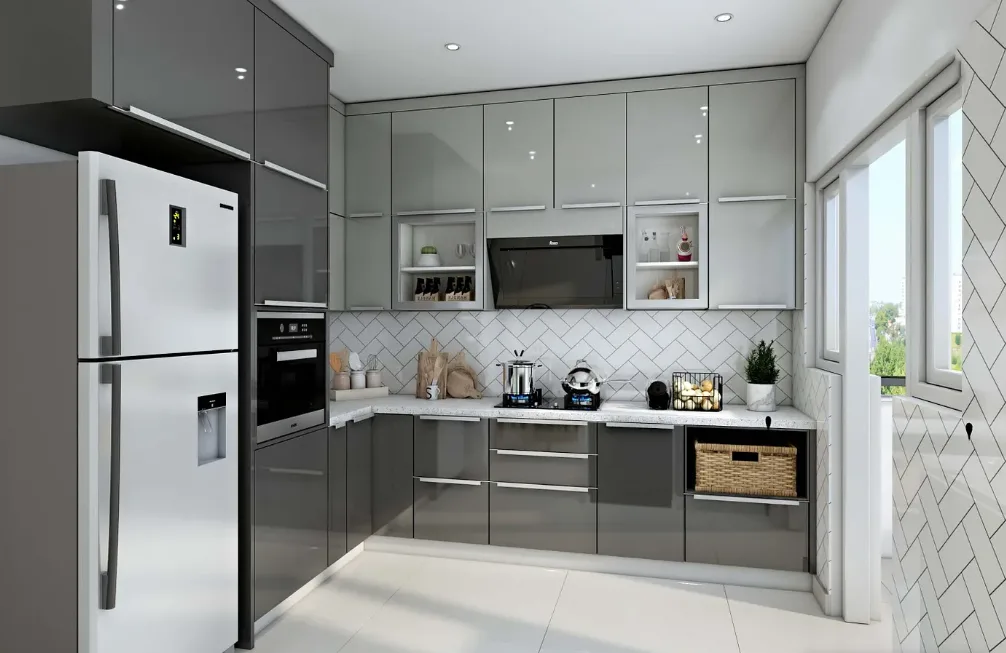
One of the biggest advantages of a modular kitchen is better space utilization. Modern kitchen designs make use of vertical and horizontal space through wall cabinets, corner units, tall storage, and customized drawers. This can be particularly useful in smaller homes where every inch of space matters.
Another major benefit is better organization. Dedicated storage areas for utensils, cookware, groceries, appliances, and kitchen accessories can reduce clutter and make frequently used items easier to access.
Modular kitchens also offer modern aesthetics. Homeowners can choose from numerous cabinet colors, textures, finishes, handles, countertops, and lighting options to create a kitchen that matches the overall interior design of their home.
Popular Modular Kitchen Layouts
Choosing the right layout is essential for creating an efficient kitchen. Different layouts work better depending on the size and shape of the room.
L-Shaped Kitchen
An L-shaped modular kitchen is a popular option for medium-sized homes. It uses two adjoining walls and creates an efficient working area. This layout can provide enough room for cabinets, appliances, and countertops while leaving space for movement.
U-Shaped Kitchen
A U-shaped kitchen uses three walls and provides extensive storage and countertop space. It is suitable for larger kitchens where homeowners want separate areas for cooking, preparation, and storage.
Straight Kitchen
A straight or single-wall kitchen is ideal for compact apartments and smaller spaces. Cabinets, appliances, and countertops are arranged along one wall, creating a simple and practical cooking area.
Parallel Kitchen
A parallel kitchen uses two opposite sides of the room. It provides good storage and workspace and can be an excellent choice for long or narrow kitchen areas.
Choosing the Right Kitchen Materials
Material selection plays an important role in the durability and appearance of a modular kitchen. Kitchen cabinets are available in different materials and finishes, allowing homeowners to select options according to their requirements.
Materials should be chosen based on factors such as moisture resistance, durability, maintenance requirements, appearance, and budget. Since kitchens are exposed to heat, moisture, oil, and frequent use, selecting reliable materials can help maintain the kitchen’s appearance and functionality for years.
Countertops should also be selected carefully because they experience regular exposure to heat, food preparation, water, and cleaning products. A practical countertop should be durable, easy to clean, and suitable for the overall kitchen design.
Smart Storage Solutions for Modern Kitchens
Storage is one of the most important aspects of a successful modular kitchen. Traditional shelves can sometimes leave unused spaces, whereas modern modular systems can include specialized storage solutions.
Pull-out drawers, corner units, tall cabinets, bottle racks, cutlery organizers, pantry units, and overhead cabinets can help maximize available space. Deep drawers can be useful for larger cookware, while smaller compartments can keep spices, utensils, and accessories organized.
Proper storage planning also reduces unnecessary movement while cooking. Frequently used items can be positioned near the primary preparation and cooking areas, improving convenience.
Lighting and Kitchen Design
Lighting can significantly influence the appearance and usability of a kitchen. A combination of ambient, task, and decorative lighting can create a balanced environment.
Under-cabinet lighting can illuminate countertops and make food preparation easier, while ceiling lights can provide overall brightness. Decorative lighting can also add a stylish touch to modern kitchen interiors.
Color selection is equally important. Neutral shades such as white, beige, grey, and natural wood can create a timeless appearance, while bold colors can be introduced through cabinets, backsplashes, accessories, or accent areas.
Tips for Designing the Best Modular Kitchen
Before finalizing a modular kitchen, homeowners should carefully evaluate their daily cooking habits and storage requirements. The placement of the refrigerator, sink, cooking area, and major appliances should allow comfortable movement between different work zones.
It is also important to measure the available space accurately before selecting cabinets and appliances. Adequate ventilation should be considered to manage heat, smoke, and cooking odors.
Homeowners should focus on functionality before decoration. A beautiful kitchen is valuable, but a well-organized kitchen that makes everyday cooking easier provides greater long-term satisfaction.
Working with an experienced kitchen designer can also help homeowners identify practical layouts, storage solutions, materials, and finishes according to their specific needs.
Conclusion
A modular kitchen can transform an ordinary cooking area into a stylish, organized, and highly functional part of the home. With flexible layouts, smart storage, durable materials, attractive finishes, and suitable lighting, homeowners can create a kitchen that reflects both their lifestyle and personal taste.
Whether the space is large or compact, careful planning is the key to achieving the best results. By focusing on efficient storage, comfortable movement, quality materials, and practical design, a modular kitchen can provide convenience and elegance for many years while adding value to the overall home interior.