The world of packaging is no longer just about cardboard boxes and plastic wrap. Today, it’s a dynamic field driven by innovation and a focus on both functionality and aesthetics. Modern labeling technology have emerged as a game-changer, transforming the way products are presented, information is conveyed, and consumer experiences are shaped.
This blog dives into the fascinating world of modern packaging, exploring how advanced labeling techniques and sophisticated machinery are revolutionizing the industry.
Advanced Technologies Taking Packaging to the Next Level
Gone are the days of static labels with basic information. The industry boomed from manual to automatic packaging with faster, more precise production, saving costs and boosting efficiency.
Let’s explore some of the exciting advancements shaping the future of packaging:
Digital Labeling: This technology utilizes digital printing to create labels on demand, enabling real-time updates, variable data printing (e.g., personalized messages, unique codes), and reduced waste from pre-printed labels.
Sustainability: Eco-conscious consumers are driving the demand for sustainable packaging solutions. These include using biodegradable and recycled materials for labels and opting for water-based adhesives.
Smart Labels: These labels integrate technology like QR codes or NFC tags that, when scanned with a smartphone, can offer consumers a wealth of information, including product details, origin tracking, etc.
Personalization: With digital printing, companies can personalize labels with consumer names, special offers, or targeted messages, fostering a deeper connection with their audience
Automation: Modern labeling processes are becoming increasingly automated, using auto labelling machines for high-speed, precise label application, improving efficiency, and minimizing human error.
These modern advancements, however, rely on specialized machinery to translate them into reality.
Let’s delve deeper into the role of three key bottle labeling machine in modern packaging:
The efficient application of modern labels is facilitated by specialized labeling machines, each with its own strengths and applications.
Here’s a closer look at the three most common types:
1. Hot Melt Glue Labelers:
Function: These machines utilize heated glue to adhere labels to a variety of packaging materials, including cardboard, plastic, and metal.
Advantages: Hot melt glue offers strong adhesion, making it ideal for harsh environments with moisture, cold temperatures, or rough handling. Additionally, it works well on both porous and non-porous surfaces.
Applications: Hot melt glue labelers are widely used in the beverage industry (bottles, cans), food packaging (containers, multi-packs), and industrial applications.
Modern Enhancements: Modern hot melt glue labelers integrate with vision systems for precise label placement, ensuring a clean and professional look.
2. Pressure-Sensitive Labelers:
Function: These labelers utilize pressure to activate the adhesive backing of self-adhesive labels, adhering them to the packaging surface.
Advantages: Pressure-sensitive labelers offer high-speed operation, making them ideal for high-volume production lines. They also boast versatility, accommodating a wide range of label materials and shapes. The application process is clean and efficient, minimizing mess and downtime.
Applications: Pressure-sensitive labelers for products like bottles, jars, and containers are ubiquitous in the food and beverage industry. They are also widely used in the pharmaceutical and cosmetics industries and for consumer goods like electronics and personal care items.
Modern Enhancements: Pressure-sensitive labelers can be integrated with barcode printing and scanning systems. This facilitates track and trace applications, allowing for real-time product monitoring throughout the supply chain.
Additionally, they are compatible with smart labels and RFID tags, enabling interactive consumer experiences and enhanced product information access.
3. Sleeve Labelers:
Function: These labelers utilize full-body labels (sleeves) made from heat-shrinkable film. The label is placed around the container and then shrunk using heat or steam, creating a tight, tamper-evident seal.
Advantages: Sleeve labels offer a 360-degree canvas for branding and graphics, allowing for eye-catching designs and enhanced shelf appeal.
Applications: Sleeve labelers are commonly used for premium beverage bottles, food containers like jars and tubs, personal care products such as bottles and tubes, and even pharmaceutical packaging.
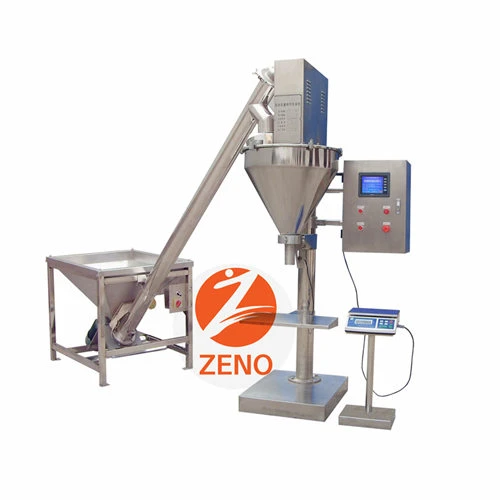
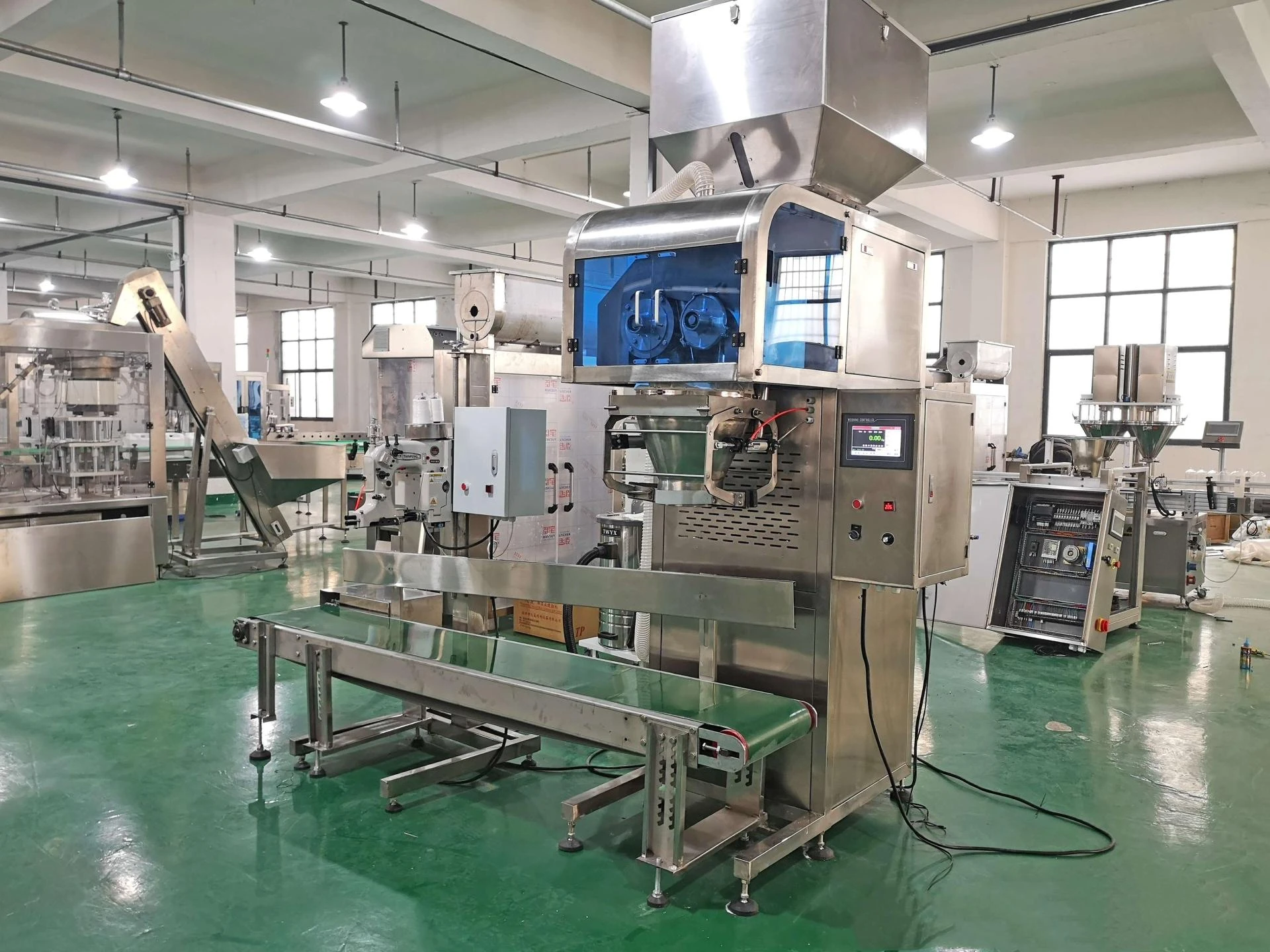
Modern Enhancements: Modern powder filling line integrate with printing systems, enabling full-body decoration with high-quality graphics. They also utilize shrinkable film materials with improved sustainability features, such as bio-based plastics or post-consumer recycled content.