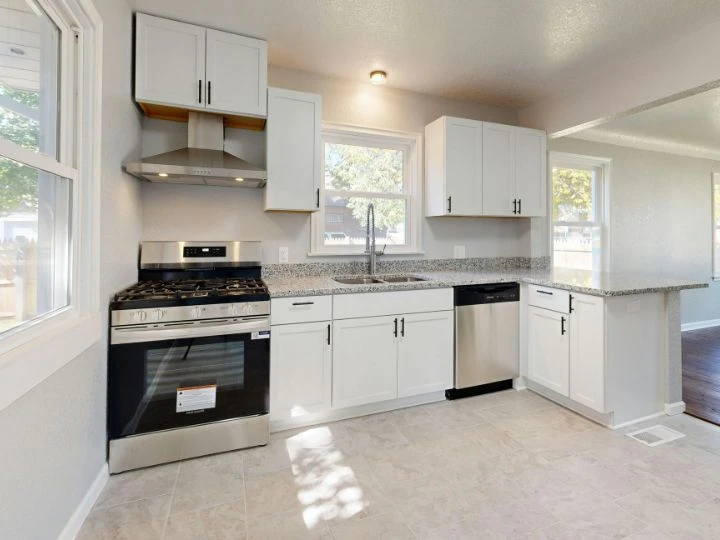
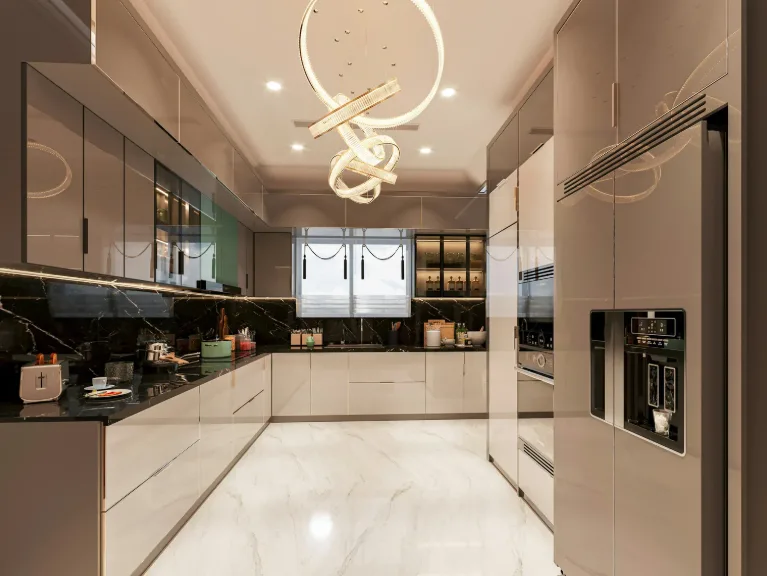
Smart Zoning for Better Movement
Creating clearly defined zones within a kitchen can dramatically improve how the space feels and functions. Instead of having everything clustered in one area, dividing the kitchen into cooking, preparation, cleaning, and storage zones helps reduce unnecessary movement. This approach ensures that every task has a designated space, making daily routines more efficient.
When planning kitchen renovations Sydney homeowners often focus on aesthetics, but zoning is equally important for practicality. Positioning the sink, cooktop, and fridge in a functional triangle remains a reliable strategy, as it minimises steps and enhances workflow. This layout is especially useful for busy households where multiple people may be using the kitchen at once.
Open Plan Layouts That Enhance Space
Seamless Integration with Living Areas
Open plan kitchens continue to be a popular choice for modern homes. Removing unnecessary walls creates a sense of spaciousness and allows natural light to flow throughout the area. This design also encourages interaction, making it easier to cook while engaging with family or guests.
Consistent Design Elements
To maintain a cohesive look, it is essential to match materials, colours, and finishes between the kitchen and adjoining spaces. Using similar cabinetry tones or flooring can create a unified appearance, enhancing the overall flow of the home.
Functional Kitchen Islands
Multi Purpose Design
A well designed kitchen island can serve multiple roles, including food preparation, dining, and storage. Incorporating built in appliances such as a cooktop or sink can further improve efficiency and reduce clutter on surrounding benches.
Enhancing Circulation Space
It is important to ensure there is enough space around the island for comfortable movement. Adequate clearance allows multiple users to navigate the kitchen without obstruction, which is essential for maintaining smooth flow.
Optimised Storage Solutions
Vertical Storage Options
Maximising vertical space is a practical way to increase storage without expanding the kitchen footprint. Tall cabinets and open shelving can store frequently used items within easy reach while keeping the workspace organised.
Pull Out and Hidden Storage
Modern storage solutions such as pull out pantries and concealed drawers help maintain a clean and streamlined appearance. These features make it easier to access items while reducing visual clutter, contributing to a more organised kitchen environment.
Lighting That Supports Workflow
Task Lighting for Key Areas
Proper lighting is essential for both safety and functionality. Installing task lighting under cabinets or above work surfaces ensures that food preparation areas are well illuminated. This improves visibility and enhances the overall user experience.
Ambient and Accent Lighting
Layering different types of lighting can create a balanced atmosphere. Ambient lighting provides general illumination, while accent lighting highlights design features such as splashbacks or cabinetry, adding depth and character to the space.
Efficient Appliance Placement
Built-In Appliances for a Streamlined Look
Integrating appliances into cabinetry creates a sleek and modern aesthetic. Built-in ovens, microwaves, and dishwashers not only save space but also contribute to a more cohesive design.
Ergonomic Considerations
Placing appliances at convenient heights can reduce strain and improve usability. For instance, positioning the oven at eye level makes it easier to monitor cooking without bending down, enhancing comfort and efficiency.
Flooring Choices That Improve Flow
Durable and Low-Maintenance Materials
Selecting the right flooring material is crucial for both functionality and style. Options such as tiles or engineered timber are durable and easy to maintain, making them ideal for high-traffic kitchen areas.
Visual Continuity Across Spaces
Using the same flooring throughout connected areas can create a seamless transition between rooms. This approach enhances the sense of continuity and makes the overall layout feel more expansive.
Colour Schemes That Influence Perception
Light Colours for a Spacious Feel
Lighter tones can make a kitchen appear larger and more open. Whites, soft greys, and neutral shades reflect light, creating a bright and airy environment.
Contrasting Elements for Depth
Introducing darker accents through cabinetry or benchtops can add visual interest and depth. This contrast helps define different zones within the kitchen while maintaining a modern aesthetic.
Technology Integration for Modern Living
Smart Kitchen Features
Incorporating smart technology can significantly enhance convenience and efficiency. Features such as touchless taps, smart ovens, and app-controlled lighting systems make it easy for homeowners to manage their kitchen.
Energy Efficient Solutions
Modern kitchens increasingly focus on sustainability. Energy-efficient appliances and lighting not only reduce environmental impact but also help lower utility costs over time.
FAQ
What is the best layout for improving kitchen flow?
The work triangle layout is highly effective as it connects the sink, cooktop, and fridge, reducing unnecessary movement and improving efficiency.
How can I make a small kitchen feel larger?
Using light colours, maximising vertical storage, and adopting an open plan design can create the illusion of more space.
Are kitchen islands suitable for all kitchens?
Kitchen islands work best in medium to large spaces where there is enough clearance for movement around the island.
How often should a kitchen be renovated?
Most kitchens benefit from renovation every 10 to 15 years, depending on wear, functionality, and changing design preferences.