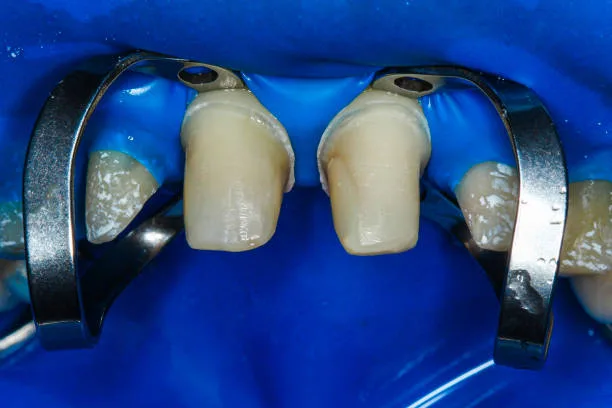
Severe tooth loss resulting from periodontal disease, untreated dental decay, or physical trauma profoundly impacts daily life. Missing multiple teeth compromises the ability to chew nutritious foods, alters clear speech pronunciation, and causes facial muscles to sag inward prematurely. Modern removable prosthetics provide a reliable, cost-effective solution to restore oral function and rebuild facial harmony.
Tooth loss also leads to progressive resorption of the underlying alveolar jawbone over time. As jawbone volume decreases, vertical facial dimensions collapse, accentuating deep creases around the mouth and chin. Well-engineered dentures provide crucial structural support for lips and cheeks, restoring a youthful facial profile.
Contemporary dental prosthetics have evolved significantly beyond the heavy, artificial-looking appliances of past generations. Advanced polymer science and high-precision digital dental laboratories now produce remarkably lifelike full and partial dentures. These custom devices match natural gum contours and blend seamlessly with existing facial features.
Engineering Precision in Modern Removable Prosthodontics
The creation of high-quality removable dentures demands meticulous clinical measurement and artistic tooth arrangement. Complete dentures replace an entire dental arch, resting securely on the alveolar ridges and relying on atmospheric suction and saliva adhesion for stability. Partial dentures replace sporadic missing teeth, utilizing discrete biocompatible metal or flexible nylon clasps that anchor securely to adjacent natural teeth.
The fabrication process begins with detailed anatomical impressions that capture the precise contours of the oral mucosa and muscle attachments. Clinicians record vertical jaw dimensions and centric relation bite alignments to ensure that replacement teeth meet harmoniously during chewing. Choosing individual denture tooth moulds, natural colour gradients, and surface textures ensures an authentic, attractive appearance.
Patients looking for reliable Dentures Auckland benefit from experienced prosthodontic clinicians who prioritize comfort and speech clarity. During wax try-in appointments, patients evaluate aesthetics, smile line positioning, and lip support in a mirror before final processing. This collaborative verification ensures that the final appliance matches individual expectations perfectly.
Advanced high-impact acrylic resins withstand daily masticatory forces while resisting bacterial plaque adhesion and surface staining. Furthermore, implant-retained overdentures offer exceptional stability for individuals experiencing loose lower dentures. Securing a denture onto titanium dental implants prevents slippage and preserves underlying jawbone mass over time.
Precision clasp designs on partial dentures also distribute chewing forces evenly across remaining healthy teeth. Clinicians ensure that retention clasps sit inconspicuously along the gum line, minimizing metal visibility when smiling or speaking. This thoughtful engineering preserves existing dentition while restoring balanced mastication.
Adapting to New Prosthetics and Essential Maintenance Protocols
Wearing new dentures requires an initial adjustment period as oral muscles, the tongue, and the brain adapt to the unfamiliar prosthetic contours. In the first few weeks, patients may experience increased salivation, minor speech alterations, and localized pressure spots. Attentive dental clinicians schedule follow-up adjustment visits to trim excess acrylic and relieve pressure areas promptly.
Practising reading aloud and beginning with soft, easily chewed foods helps patients develop muscular control and chewing confidence. Chewing slowly on both sides of the mouth distributes biting forces evenly and prevents denture dislodgement. Within a few weeks, eating and speaking become completely natural and effortless.
Scheduling regular check-ups with a trusted Dentist Mt Roskill guarantees that dentures continue to fit comfortably as gum tissues naturally remodel over time. Periodically relining the denture base restores snug suction and prevents soft tissue irritation caused by loose appliances. Professional oral cancer screenings and soft tissue evaluations remain essential even for fully edentulous individuals.
Periodic professional cleanings also remove stubborn tartar deposits that cannot be removed by household brushing alone. Clinicians inspect the integrity of the acrylic base and check for micro-fractures before they expand into serious breaks. Proper clinical maintenance prolongs prosthetic lifespan and ensures ongoing mouth comfort.
Maintaining daily denture hygiene is vital to prevent fungal infections such as denture stomatitis. Patients should clean appliances daily using soft-bristled brushes and specialized non-abrasive denture cleansers rather than harsh household toothpastes. Removing dentures overnight allows oral tissues to rest, breathe, and recover from daytime pressure.
Modern prosthetic dentistry restores the dignity, confidence, and nutritional health of individuals living with tooth loss. Lifelike acrylics and precision clinical fit eliminate embarrassment and restore youthful facial contours. Quality dentures empower patients to smile broadly, speak clearly, and enjoy wholesome meals without hesitation.