Acne. It’s something most of us have faced at one point or another, yet many people still struggle to understand why their breakouts refuse to go away for good. You’ve probably tried a handful of products, seen momentary improvement, and then watched new blemishes appear right where the last ones faded. That frustrating cycle feels endless, and for many, it starts to affect confidence and daily life.
To truly overcome acne, it’s important to look beyond the surface and understand the biological and environmental factors that cause it. In this article, we’ll explore why breakouts keep coming back, what’s really happening beneath your skin, and how a modern approach to acne care is finally helping people break that cycle for good. Along the way, you’ll also discover why acne treatment that targets underlying causes — not just symptoms — makes all the difference.
The Misunderstood Nature of Acne
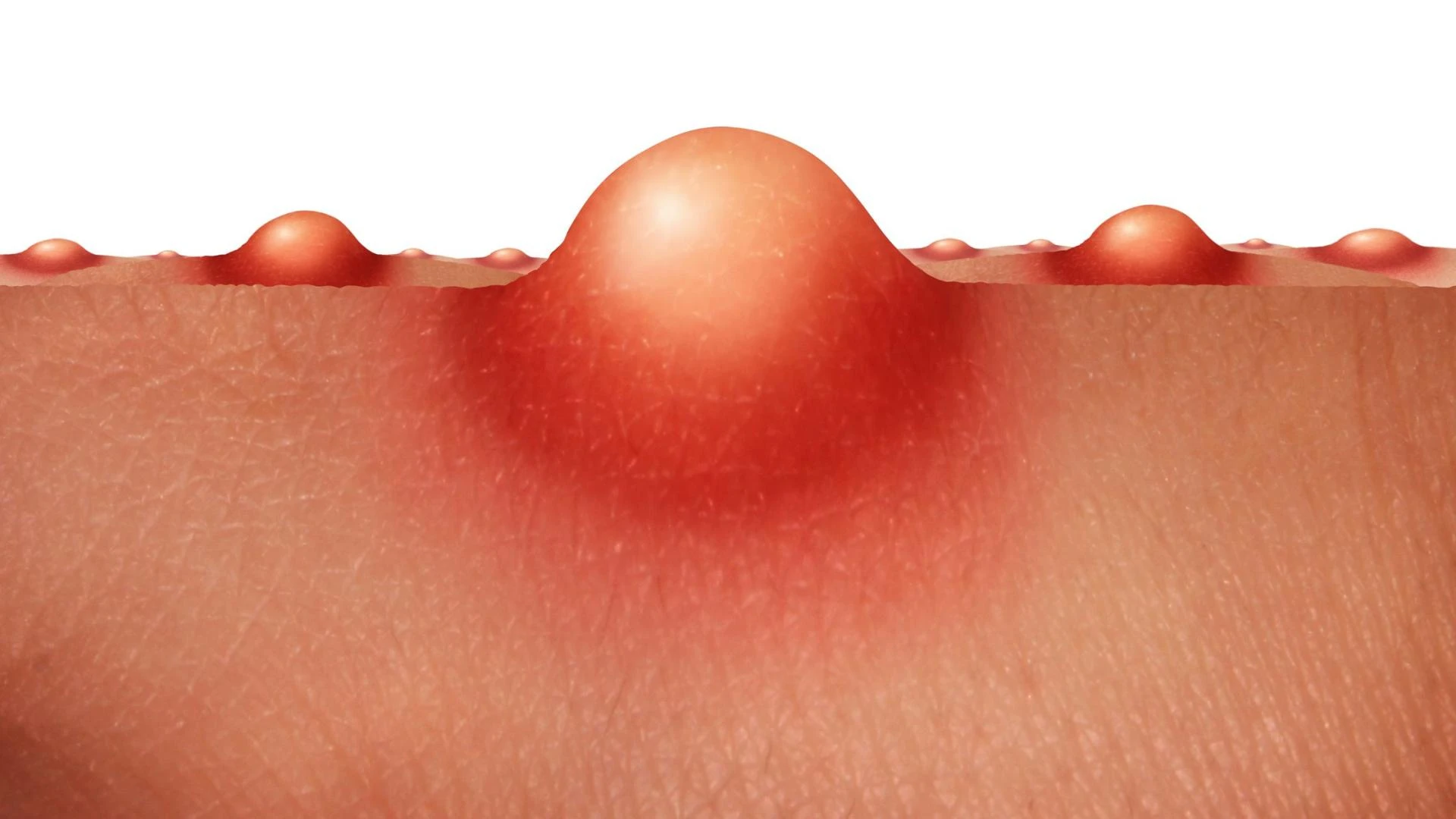
Most of us think of acne as a skin issue. But in reality, it’s a complex biological process. Breakouts are triggered when pores become clogged with excess oil, dead skin cells, and bacteria. That clog creates an environment where inflammation thrives, leading to the redness, bumps, and pus that define acne.
The problem is, many treatments merely address one element of this process — for example, reducing oil or killing bacteria. But acne is rarely caused by one single factor. Hormones, stress, genetics, diet, skincare habits, and even the microbiome of your skin all play a role. Ignoring that complexity is why so many products give only temporary relief.
Hormonal Fluctuations: A Hidden Driver of Breakouts
Hormones are one of the biggest reasons acne keeps popping up — especially in teenagers, adults in their 20s and 30s, and women experiencing menstrual cycles, pregnancy, or hormonal imbalances.
Androgen hormones like testosterone increase oil production in the sebaceous glands. While oil itself isn’t bad, too much of it can trap bacteria and dead skin cells inside your pores. That’s how a small pore becomes inflamed and turns into a pimple.
Many people don’t realize that acne isn’t just “teenage skin drama.” Adult acne often points to subtle hormonal shifts that standard cleansers and spot treatments simply can’t address.
Diet, Inflammation, and Acne
For years, diet and acne were thought to be loosely connected at best. But recent scientific insights have changed that view. Certain foods — particularly those high in refined sugars and processed carbohydrates — can spike insulin levels. Elevated insulin increases sebum production and inflammation, both of which contribute directly to acne formation.
Additionally, foods with a high glycemic load can trigger inflammation throughout the body. Chronic inflammation doesn’t just affect joints and organs — it shows up on the skin. Because acne itself is an inflammatory condition, eating in a way that reduces inflammation can help reduce breakouts over time.
Dairy has also been studied for its link to acne. While not everyone is affected the same way, some people experience clearer skin when they reduce or eliminate milk and whey-based products. Understanding your body and how it reacts to certain foods can be a crucial part of a long-term solution.
The Role of Stress and the Skin’s Cellular Response
Stress is another hidden driver that many people overlook. When you’re stressed, your body releases cortisol and other stress hormones. These hormones signal your glands to increase oil production — the very fuel that fuels acne.
But stress does more than just increase oil. It can slow down cellular repair and increase inflammation, which means your skin becomes more reactive and slower to heal. That makes every breakout last longer and feel more intense.
Managing stress through sleep, movement, and simple daily habits isn’t superficial — it directly influences how your skin behaves.
Why Traditional Acne Treatments Fall Short
Walk into any drugstore, and you'll find dozens of products labeled “anti-acne.” Many people start with over-the-counter options like benzoyl peroxide or salicylic acid. While these can help reduce symptoms, they don’t deal with the underlying drivers discussed above.
Benzoyl peroxide kills surface bacteria, and salicylic acid helps exfoliate dead skin cells. Those actions can temporarily reduce breakouts, but they don’t regulate hormones, control inflammation, or address skin microbiome balance. That’s why it’s common to get some improvement, then a new breakout a week later.
Some prescription medications go further, but they also come with more significant side effects. For example, retinoids can be drying and irritating when used long-term, and antibiotics can damage the balance of bacteria on the skin and in the body. Oral medications that regulate hormones — like certain birth control pills — help some people, but they’re not suitable for everyone.
All of these solutions treat symptoms without taking a holistic view of skin physiology. And until recently, that’s simply been the state of acne care.
A New Approach: Targeting Root Causes
Modern acne treatment has evolved. Instead of relying on single-action products, today’s most effective strategies recognize acne as a multifaceted condition. This means looking deeper into the factors that actually set the stage for persistent breakouts.
Here’s what distinguishes this newer, more effective approach:
Comprehensive Hormonal Support
Rather than only reducing oil on the surface, effective acne care considers hormonal activity throughout the body. This may include therapies that balance androgen levels, improve insulin sensitivity, or reduce systemic stress responses that drive oil production. When your hormones are stabilized, the overproduction of sebum — the sticky, pore-clogging oil — is reduced at the source.
Inflammation Reduction
Acne is inherently inflammatory. So it makes sense that a treatment focused on lowering inflammation would produce better, longer-lasting results. Such care often includes antioxidants, anti-inflammatory nutrients, and lifestyle recommendations proven to calm the body’s inflammatory pathways. By reducing inflammation at the root, the skin becomes less reactive and more capable of healing.
Skin Microbiome Balance
Your skin isn’t sterile — it’s home to an entire ecosystem of microbes. When that ecosystem gets out of balance, acne-causing bacteria can thrive. Modern acne care considers this microbiome, focusing on treatments that preserve beneficial bacteria while reducing harmful strains. This nuanced approach helps the skin defend itself instead of constantly being attacked by harsh antibacterial products.
Personalized Treatment Plans
No two people have the same acne triggers. That’s why modern approaches tailor care based on a person’s unique physiology, lifestyle, and triggers. A one-size-fits-all regimen rarely works for long, but treatments customized to your specific needs target the real drivers of your breakouts.
Real-Life Impact: What You Can Expect
Shifting from a symptom-focused acne routine to a root-cause approach changes not just your skin — it transforms your experience with it.
Imagine waking up without the anxiety of seeing new blemishes each morning. Imagine reducing the redness and irritation that make makeup a daily cover-up ritual. Picture clearer skin that doesn’t just look better temporarily, but stays healthier over time.
Users who adopt comprehensive acne care often describe three key changes:
1. Fewer Breakouts Over Time
Instead of periodic flare-ups, many experience longer stretches of clear skin because the underlying factors feeding those breakouts are being addressed.
2. Less Redness and Irritation
Inflammation isn’t just associated with pimples; it causes sensitivity and slow healing. Lowering inflammation leads to faster recovery and reduced discomfort.
3. Better Overall Skin Health
Instead of relying on aggressive spot treatments, the skin gradually becomes more resilient and balanced, which means fewer scars, less hyperpigmentation, and a smoother complexion overall.
Common Misconceptions About Acne
Even with greater awareness these days, misconceptions about acne remain widespread. Let’s clear up a few so you can approach treatment with confidence.
“Acne Is Just Teenager Skin”
While acne is common in adolescence, adult acne is extremely common. Many adults experience persistent breakouts well into their 30s and beyond. Hormonal imbalances, stress, and lifestyle changes can trigger acne at any age.
“If I Wash My Face More, My Skin Will Clear Up”
Washing more frequently can actually worsen acne by stripping the skin of its natural moisture and prompting even more oil production. The focus shouldn’t be on quantity, but quality of cleansing and what comes after.
“Popping Pimples Helps Get Rid of Them Faster”
This one’s especially damaging. Popping pimples often pushes bacteria deeper into the skin and leads to scarring and prolonged inflammation. Letting breakouts heal with supportive care is always the better option.
Building a Smarter Acne Plan
Adopting a more effective acne treatment strategy doesn’t mean completely overhauling your life overnight. Instead, it means shifting your perspective and choosing habits and treatments that target the real skin chemistry behind breakouts.
Start by understanding your individual triggers. What happens when you eat sugar? Does stress make flare-ups worse? Do hormonal shifts coincide with breakouts? Answering these questions helps you personalize your approach.
Next, focus on inflammation and hormonal balance as part of your acne care. This may include dietary adjustments, stress management practices, and treatments designed to work at deeper biological levels.
Finally, look for acne support that addresses not just symptoms but the cycle that feeds them. When care acknowledges hormones, inflammation, and microbiome balance, you’re no longer fighting a surface-level battle — you’re influencing the systems that determine how your skin behaves.
The Future of Acne Care Is Here
Breakouts don’t have to be a lifelong battle. When acne is treated as the complex condition it truly is, real progress becomes possible. This means moving past just drying up spots and instead understanding what’s driving them in the first place.
Modern acne treatment is here to help with that shift. It doesn’t rely on guesswork or one-size-fits-all solutions. Instead, it looks at your body holistically, targets inflammation and hormonal imbalances, and supports the skin in a way that keeps breakouts from returning again and again.
If you’re tired of treatments that only give temporary relief, exploring an approach rooted in understanding the root causes of acne could be the change you’ve been looking for. Over time, this is how many people finally experience lasting clarity, confidence, and healthier skin from the inside out.