Introduction
In a world where smartphones rarely leave our hands, businesses have an incredible opportunity to connect with customers anytime, anywhere. Whether it’s scrolling through social media, checking emails, or making online purchases, people are constantly engaging with brands through their mobile devices. This shift in consumer behavior has transformed mobile marketing from an optional tactic into a must-have strategy. A strong mobile marketing approach allows businesses to reach audiences instantly, deliver personalized messages, and create seamless experiences — all while keeping up with the fast pace of today’s digital world.
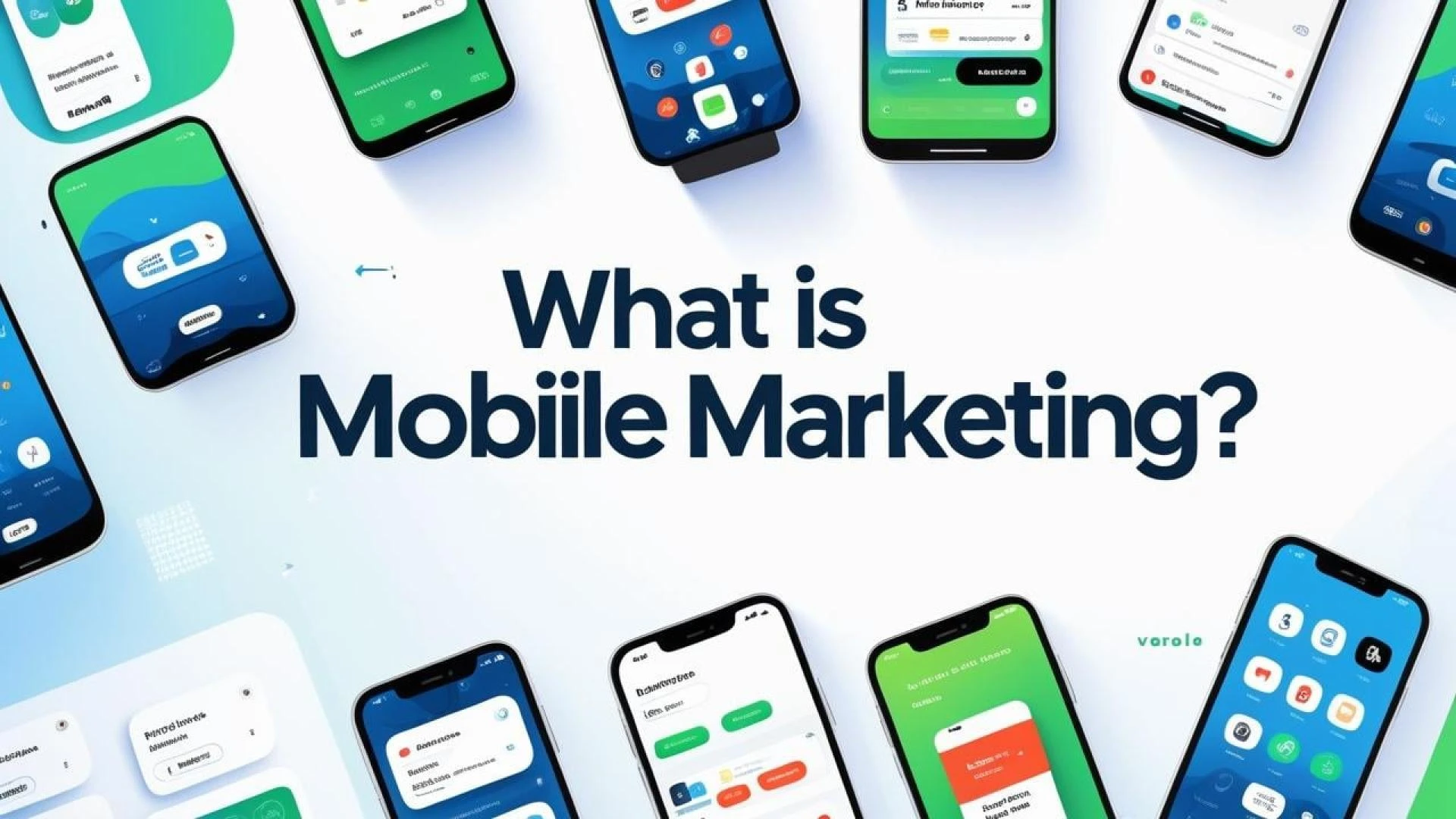
What is Mobile Marketing?
Mobile marketing is a type of digital marketing that targets customers through their mobile devices, such as smartphones and tablets. It encompasses various channels such as mobile applications, SMS marketing, push notifications, mobile websites, and in-app advertisements.
The main goal is to deliver personalized and timely messages that encourage customers to take action — whether it’s visiting a website, making a purchase, or downloading an app.
Why Mobile Marketing Matters
With billions of mobile users worldwide, the potential audience for mobile marketing is huge. Here’s why it’s important:
- High Mobile Usage – People carry their phones everywhere, making it easy for brands to reach them anytime.
- Instant Communication – SMS, push notifications, and in-app messages can deliver information instantly.
- Better Engagement – Mobile content is more interactive, allowing brands to use videos, polls, and gamification.
- Location-Based Targeting – Businesses can target customers based on their location to send relevant offers.
Key Steps for an Effective Mobile Marketing Strategy
1. Understand Your Audience
Before launching a campaign, know who your customers are and what they expect. Look at factors like:
- Age, location, and lifestyle
- Mobile habits (apps they use, time spent online)
- Problems you can solve for them
2. Optimize for Mobile Devices
Your website and content should be mobile-friendly. A slow or poorly designed site can cause visitors to leave quickly. Implement responsive design, ensure fast-loading pages, and provide clear navigation to enhance the mobile experience.
3. Use Multiple Mobile Channels
Relying on just one channel limits your reach. Instead, use:
- SMS Marketing for instant offers and updates
- Push Notifications for app users
- Mobile advertisements on platforms such as Facebook, Instagram, and Google
- Email Marketing optimized for mobile screens
4. Personalize the Experience
Customers respond better to messages that feel tailored to them. Use customer data to send personalized recommendations, greetings, or discounts.
5. Leverage Location-Based Marketing
With GPS technology, you can send promotions to people when they are near your store or in a specific area. This makes your marketing more relevant and timely.
6. Track and Improve
Measure your campaign performance using metrics like click-through rates, conversion rates, and engagement levels. Utilize this information to make modifications and enhance upcoming campaigns.
Best Practices for Mobile Marketing
- Keep messages short and clear
- Use attractive visuals and videos
- Send messages at the right time (avoid late nights or early mornings)
- Provide an easy call-to-action (CTA) like “Buy Now” or “Learn More”
- Honor user privacy and refrain from sending excessive messages
Future Trends in Mobile Marketing
The future of mobile marketing is exciting, with trends like:
- 5G Technology for faster content delivery
- Augmented Reality (AR) for interactive shopping experiences
- Voice Search Optimization for hands-free convenience
- AI-Powered Personalization for smarter targeting
Conclusion
Mobile marketing has evolved from being an optional strategy to a crucial requirement for businesses that seek to stay competitive.
By understanding your audience, using multiple channels, and personalizing messages, you can create a mobile marketing strategy that builds strong connections and drives results. As technology continues to evolve, brands that adapt their strategies to mobile trends will have the greatest chance of success.
Author ; finan digital marketer