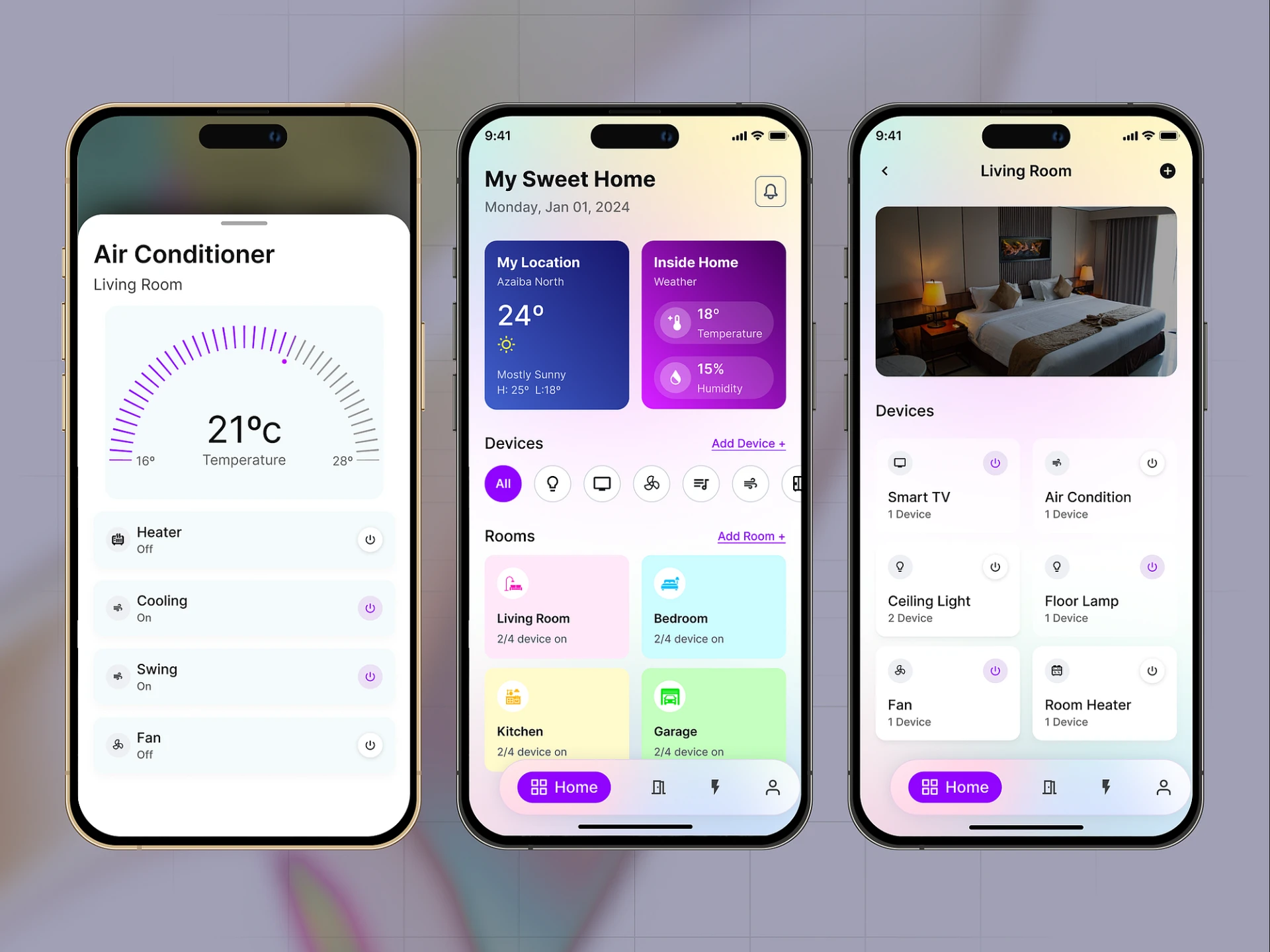
Technologies Used in Mobile App Development
Mobile app development is powered by a wide range of technologies. These technologies help build fast, secure, and scalable applications for Android, iOS, and cross-platform environments. For any mobile app development agency in USA, choosing the right tech stack is crucial for delivering high-quality apps.
1. Programming Languages
Programming languages form the foundation of mobile apps. Different platforms use different languages.
Common Languages:
- Java & Kotlin – Used for Android app development
- Swift & Objective-C – Used for iOS app development
- Dart – Used in Flutter for cross-platform apps
- JavaScript – Used with frameworks like React Native
A reliable mobile app development agency in USA selects the language based on project needs and performance goals.
2. Frameworks and SDKs
Frameworks speed up development and reduce coding effort.
Popular Frameworks:
- Flutter – Cross-platform development using a single codebase
- React Native – JavaScript-based mobile app framework
- Android SDK – Official toolkit for Android apps
- iOS SDK (Xcode) – Apple’s development environment
Frameworks help a mobile app development agency in USA build apps faster while maintaining quality.
3. Frontend Technologies
Frontend technologies handle the user interface and user experience.
Key Tools:
- UI frameworks (Flutter widgets, SwiftUI, Jetpack Compose)
- HTML, CSS (for hybrid apps)
- Animation libraries
A smooth and attractive UI is essential for user engagement.
4. Backend Technologies
Backend technologies manage servers, databases, and APIs.
Common Backend Technologies:
- Node.js – Fast and scalable backend
- Python (Django/Flask) – Secure and flexible
- PHP (Laravel) – Widely used for web and mobile backends
- Ruby on Rails – Rapid development
A strong backend ensures seamless communication between the app and the server.
5. Databases
Databases store and manage app data efficiently.
Types of Databases:
- MySQL / PostgreSQL – Relational databases
- MongoDB – NoSQL database
- Firebase Realtime Database – Cloud-based solution
- SQLite – Local database for mobile apps
Choosing the right database is important for performance and scalability.
6. APIs and Integrations
APIs allow apps to connect with external services.
Examples:
- Payment gateways (Stripe, PayPal)
- Social media login (Google, Facebook)
- Maps and location services (Google Maps API)
- SMS and email services
APIs enhance app functionality and improve user experience.
7. Cloud Technologies
Cloud platforms help store data, run servers, and scale applications.
Popular Cloud Platforms:
- Amazon Web Services (AWS)
- Google Cloud Platform (GCP)
- Microsoft Azure
- Firebase
A modern mobile app development agency in USA uses cloud solutions for better performance and scalability.
8. DevOps and CI/CD Tools
DevOps tools automate development, testing, and deployment.
Common Tools:
- Jenkins
- GitHub Actions
- Docker
- Kubernetes
These tools help deliver apps faster and ensure continuous updates.
9. Security Technologies
Security is critical in mobile app development.
Key Security Measures:
- Data encryption
- Secure APIs
- Authentication (OAuth, JWT)
- Biometric login (fingerprint, face ID)
A trusted mobile app development agency in USA always prioritizes security.
10. Emerging Technologies
New technologies are shaping the future of mobile apps.
Trending Technologies:
- Artificial Intelligence (AI) – Chatbots, recommendations
- Machine Learning (ML) – Predictive analytics
- Internet of Things (IoT) – Smart device integration
- Augmented Reality (AR) – Interactive experiences
- Blockchain – Secure transactions
These technologies help businesses create innovative and future-ready apps.
11. Testing Tools
Testing ensures the app works smoothly without bugs.
Popular Testing Tools:
- Selenium
- Appium
- TestFlight (iOS)
- Firebase Test Lab
Testing improves app quality and user satisfaction.
12. Analytics and Monitoring Tools
Analytics tools track user behavior and app performance.
Examples:
- Google Analytics
- Firebase Analytics
- Mixpanel
These tools help improve the app based on real user data.
Conclusion
Mobile app development uses a combination of programming languages, frameworks, backend systems, and modern technologies. Each component plays a vital role in building a successful app.
For businesses in the USA, working with a professional mobile app development agency in USA ensures the right technology stack is used for your project. As technology evolves, staying updated with the latest trends is key to building competitive and scalable mobile applications.
People Also Ask (FAQs)
1. What technologies are used in mobile app development?
Mobile apps use languages like Java, Swift, and Dart, along with frameworks, cloud services, and APIs.
2. Which technology is best for mobile app development?
It depends on your needs. Flutter and React Native are great for cross-platform, while native is best for performance.
3. What backend technologies are used in mobile apps?
Common backend technologies include Node.js, Python, PHP, and cloud platforms like AWS.
4. Why is cloud technology important in mobile apps?
Cloud helps with data storage, scalability, and faster performance.
5. What role does AI play in mobile app development?
AI improves user experience through personalization, automation, and smart recommendations.
6. How does a mobile app development agency in USA choose technologies?
They analyze project requirements, budget, scalability needs, and user experience goals.