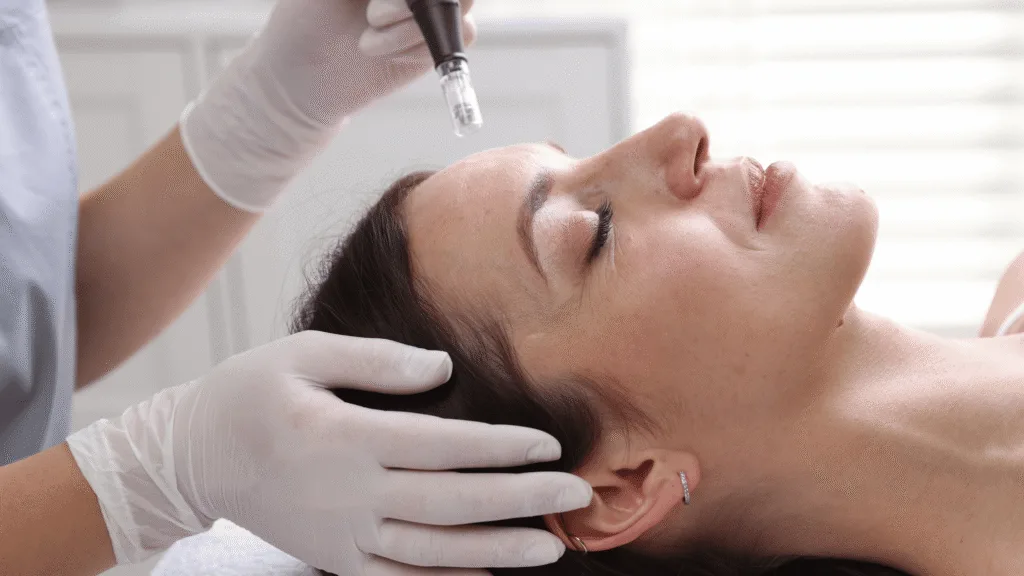
Healthy, smooth-looking skin can be affected by acne scars, enlarged pores, rough texture, fine lines, and mild loss of firmness. While a good skincare routine is essential for maintaining skin health, some structural skin concerns may benefit from professional dermatological procedures. MNRF treatment for skin is an advanced minimally invasive option that can help improve several of these concerns.
MNRF, also known as Microneedling Radiofrequency, combines controlled microneedling with radiofrequency energy. The procedure is designed to stimulate the deeper layers of the skin and encourage collagen remodeling. It is commonly considered for acne scars, open pores, uneven skin texture, fine lines, and selected signs of skin aging.
What Is MNRF Treatment?
MNRF skin treatment uses a specialized device with very fine needles. These needles penetrate the skin at controlled depths and deliver radiofrequency energy into targeted layers.
The combination of microneedling and radiofrequency creates controlled stimulation in the skin. This encourages the body's natural repair and collagen-remodeling processes.
As the skin gradually remodels, treated areas may appear smoother, firmer, and more refined.
MNRF may be considered for:
- Acne scars
- Enlarged pores
- Uneven skin texture
- Rough skin
- Fine lines
- Mild skin laxity
- Post-acne textural irregularities
- Facial skin rejuvenation
How Does MNRF Work on the Skin?
MNRF uses both mechanical and thermal stimulation.
The device introduces tiny needles into selected skin layers. Radiofrequency energy is then delivered through the needles, producing controlled heat within the targeted tissue.
This controlled stimulation activates a healing response and supports collagen remodeling.
Unlike treatments that produce only a temporary surface effect, MNRF is intended to encourage changes within the skin. Since collagen remodeling takes time, MNRF results usually develop gradually rather than appearing immediately.
Research has reported continued dermal remodeling after radiofrequency microneedling, which supports the progressive nature of treatment results. (pubmed.ncbi.nlm.nih.gov)
Top Benefits of MNRF Treatment for Skin
1. Helps Improve Acne Scars
Acne scars can affect the texture and appearance of the skin long after acne has healed.
Certain depressed acne scars occur because inflammation damages collagen beneath the skin. MNRF can stimulate collagen remodeling in the treated area and may help soften the appearance of selected atrophic scars.
Clinical research supports fractional radiofrequency microneedling as a promising option for acne-scar improvement. (pubmed.ncbi.nlm.nih.gov)
However, results depend on the type, depth, severity, and age of the scars.
2. Reduces the Appearance of Enlarged Pores
Enlarged pores are especially common around the nose, cheeks, and forehead.
Factors such as genetics, excess oil production, aging, and reduced skin elasticity can make pores appear more prominent.
MNRF may improve the appearance of enlarged pores by supporting collagen remodeling and improving surrounding skin texture.
It is important to remember that pores are a natural part of skin. The objective is to make enlarged pores less noticeable, not to eliminate them permanently.
3. Improves Uneven Skin Texture
Uneven texture can result from acne, scarring, sun exposure, aging, or inflammation.
MNRF provides controlled stimulation beneath the skin's surface and may gradually improve the appearance of roughness and irregularities.
With treatment, the skin may appear:
- Smoother
- More even
- More refined
- Firmer
- Healthier
4. Stimulates Collagen Remodeling
Collagen helps maintain skin structure, elasticity, and firmness.
As collagen changes with age or skin damage, fine lines, laxity, and uneven texture may become more visible.
MNRF encourages controlled dermal stimulation, which supports the skin's natural collagen-remodeling response.
5. Supports Skin Firmness
Mild skin laxity can develop as collagen and elastin naturally decline with age.
MNRF may help improve the appearance of mild laxity through controlled thermal stimulation and tissue remodeling.
It is a non-surgical treatment and is not intended to replace surgery for significant skin sagging.
6. May Improve Fine Lines
MNRF can be included in a facial rejuvenation plan for patients with selected fine lines and early signs of skin aging.
By supporting collagen remodeling and improving texture, it may help the skin look smoother and more youthful.
MNRF Treatment for Acne Scars
Acne scars can be classified into different types, and treatment should be selected according to the scar structure.
MNRF may be useful for selected:
- Rolling scars
- Boxcar scars
- Shallow depressed scars
- Mixed atrophic scars
Deep scars or scars attached to deeper tissue may need other procedures or combination treatments.
A dermatologist can examine the scars and recommend the most suitable approach.
The goal of MNRF is generally to improve the appearance and texture of acne scars, rather than promise complete scar removal.
MNRF for Open Pores
Open pores can make the skin look uneven and less smooth.
Although pore size is influenced by genetics and skin characteristics, treatments that improve collagen and skin texture may reduce their visible appearance.
MNRF can stimulate collagen around the treated area, potentially making enlarged pores appear more refined.
For patients with oily or acne-prone skin, additional dermatological skincare may be recommended to manage oil production and reduce future breakouts.
MNRF for Uneven Skin Texture
Skin texture can become uneven because of:
- Acne
- Acne scars
- Sun exposure
- Aging
- Inflammation
- Reduced collagen
- Previous skin damage
MNRF can provide controlled stimulation to the deeper layers of the skin. As remodeling occurs, the surface may gradually look smoother and more uniform.
What Happens During MNRF Treatment?
A typical treatment involves several stages.
Skin Consultation
The dermatologist evaluates your skin and identifies the main concerns. The assessment may include acne scars, pore size, texture, pigmentation, skin type, and overall skin health.
Preparation
The treatment area is cleansed carefully. A topical numbing cream may be used before the procedure to improve comfort.
MNRF Procedure
The MNRF device is applied to the selected areas. Fine needles penetrate the skin at controlled depths while radiofrequency energy is delivered.
The settings are adjusted according to the patient's skin and treatment goals.
Post-Treatment Care
The skin may appear red or slightly swollen immediately afterward. Your dermatologist will provide specific aftercare recommendations.
Is MNRF Treatment Painful?
MNRF may cause sensations such as:
- Warmth
- Pressure
- Mild prickling
- Temporary discomfort
A topical anesthetic is commonly used before treatment.
The experience varies depending on individual pain tolerance, treatment area, needle depth, and energy settings.
MNRF Recovery and Downtime
MNRF is considered a minimally invasive treatment and generally has relatively limited downtime.
Temporary effects may include:
- Redness
- Mild swelling
- Tenderness
- Warmth
- Small treatment marks
Recovery time varies from person to person and can depend on the intensity of the procedure.
Following your dermatologist's aftercare instructions is important during recovery.
How Many MNRF Sessions Are Needed?
There is no fixed number of MNRF sessions for every patient.
The treatment plan may depend on:
- Acne-scar severity
- Scar type
- Skin texture
- Pore size
- Skin type
- Treatment area
- Individual response
- Desired improvement
Some patients may require multiple sessions to achieve their desired improvement.
When Will MNRF Results Appear?
MNRF results generally develop over time.
The skin may look temporarily red immediately after treatment. As the skin heals and collagen remodeling occurs, improvements in texture and firmness may become progressively visible.
Because collagen remodeling continues after treatment, results may keep developing for weeks or months.
This gradual process is one reason patients should avoid judging the final outcome immediately after a procedure. (pubmed.ncbi.nlm.nih.gov)
MNRF vs Traditional Microneedling
Traditional microneedling uses tiny needles to create controlled micro-injuries that stimulate the skin.
MNRF combines microneedling with radiofrequency energy.
The addition of radiofrequency allows controlled thermal stimulation to be delivered within the targeted tissue.
The best treatment depends on the patient's skin condition and treatment objectives.
MNRF vs Fractional CO2 Laser
MNRF and fractional CO2 laser are both used for certain acne scars and skin rejuvenation concerns, but they work differently.
Research comparing these treatments suggests that fractional CO2 laser may provide greater average acne-scar improvement in some settings, while MNRF may offer advantages for certain patients regarding discomfort and recovery.
A 2026 meta-analysis found greater acne-scar improvement with fractional CO2 laser but also reported more pain, longer-lasting redness, and a higher risk of post-inflammatory hyperpigmentation compared with MNRF. (pubmed.ncbi.nlm.nih.gov)
The most suitable option should therefore be selected after considering skin type, scar characteristics, pigmentation risk, recovery expectations, and treatment goals.
Is MNRF Suitable for Indian Skin?
MNRF has been used and studied in different skin phototypes, including darker skin.
However, every patient's skin responds differently to energy-based treatments. People who are prone to pigmentation may require especially careful treatment planning.
A dermatologist can select appropriate energy settings, needle depth, and aftercare based on individual skin characteristics.
Who May Be a Candidate for MNRF?
MNRF may be considered for adults who want to improve:
- Acne scars
- Enlarged pores
- Uneven skin texture
- Fine lines
- Mild skin laxity
- Post-acne texture changes
- Overall skin quality
However, MNRF is not suitable for everyone. Active infections, significant inflammation, certain skin conditions, medications, and healing concerns should be discussed during the consultation.
MNRF Aftercare Tips
Proper aftercare can help support skin recovery.
Your dermatologist may recommend:
- Use gentle skincare products.
- Keep the skin moisturized.
- Apply broad-spectrum sunscreen.
- Avoid excessive sun exposure.
- Avoid harsh exfoliation during early recovery.
- Do not pick or scratch treated areas.
- Follow your prescribed skincare routine.
- Avoid other cosmetic treatments until your skin has recovered.
How to Maintain Your MNRF Results
Professional treatment should be combined with good daily skincare.
To support healthy-looking skin:
Use sunscreen: Protecting your skin from UV exposure is important for preventing premature skin damage.
Maintain hydration: Use appropriate moisturizers to support the skin barrier.
Manage acne: Treat active acne promptly to reduce the risk of future scarring.
Avoid excessive exfoliation: Overuse of active ingredients can irritate the skin.
Follow professional advice: Continue the skincare routine recommended by your dermatologist.
Why Professional MNRF Treatment Matters
The quality of MNRF treatment depends on appropriate patient selection and customized settings.
Needle depth, radiofrequency energy, treatment density, and session intervals should be selected according to the individual's skin.
Professional assessment is particularly important when treating acne scars because scar types vary significantly.
A qualified dermatologist can also determine whether MNRF alone is sufficient or whether a combination approach may provide better results.
Frequently Asked Questions About MNRF
What is MNRF treatment used for?
MNRF is commonly considered for acne scars, enlarged pores, uneven skin texture, fine lines, and selected signs of skin aging.
Can MNRF remove acne scars permanently?
MNRF may improve the appearance of acne scars, but complete removal cannot be guaranteed. Results depend on the scar type, severity, skin condition, and individual response.
Does MNRF make pores disappear?
No. MNRF cannot eliminate normal pores. It may make enlarged pores appear less visible by improving skin texture and firmness.
How long do MNRF results take?
Results develop gradually as collagen remodeling occurs. The timeline varies according to treatment intensity, skin condition, and the number of sessions.
Can MNRF improve skin texture?
Yes. Improving uneven and rough skin texture is one of the commonly considered applications of MNRF.
Final Thoughts
MNRF treatment for skin is an advanced minimally invasive procedure that combines microneedling and radiofrequency energy to support collagen remodeling. It may help improve the appearance of acne scars, open pores, uneven skin texture, fine lines, and mild skin laxity.
If you are searching for MNRF treatment for acne scars, enlarged pores, or uneven skin texture, a consultation with a qualified dermatologist can help determine whether the procedure is appropriate for your skin. At Clinic Reborn, personalized assessment and professional treatment planning can help address your individual skin concerns and goals.