The leakage of liquids in water pipes, gas pipes, heating systems, and other pieces of equipment results in high repair costs, wastage of resources, and could also pose a danger to safety. It is possible that small leaks go unnoticed until much damage is done. Advanced technology can aid in early detection of such problems. This is made possible through leak detection devices.
Different kinds of detection methods are utilized to find particular types of leaks. Acoustic technology helps in the detection of sounds that result from pressurized water leaking via cracks in pipes or joints. Thermal imaging uses temperature differences to detect any kind of leaks in the heating systems or moisture behind the surfaces. Each system has its own advantages; thus, selection is based on the suspected leak and the surroundings.
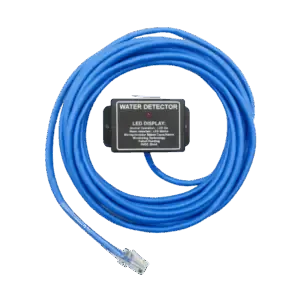
Water leakage is one of the most frequent issues in residential structures, commercial structures, and industries. Water leakage may result from damaged seals, corrosion of pipelines, loose connections, or too much water pressure. There are special devices called leak detection devices that are capable of identifying moisture and other anomalies. Sometimes such devices are equipped with sensors mounted around pipe connections, water heaters, etc. These devices give a signal to people to start looking for the source of the leak before damage occurs.
Gas leaks need to be detected by using another method, as gas leaks pose a lot of health hazards as well as fire hazards. Gas detectors sense the presence of a particular type of gas in the surrounding atmosphere and sound an alarm once the concentration crosses the set limits. The type of equipment used depends upon the purpose for which it is intended. The detectors should be suitable for detecting the particular type of gas and meet installation standards as well.
Advances in technology have also led to the introduction of connected monitoring systems, which issue alerts through mobile apps or building management systems. Some sensors measure pressure, flow, humidity, or gas levels consistently, thus allowing users to detect unusual values. Notifications can minimize the interval between problem detection and investigation. However, connected capabilities cannot solve the issues related to the correct location, testing, battery replacement, and maintenance of equipment.
Choice of suitable devices would depend on such factors as the type of substance that needs to be detected, location of any possible leaks, environmental factors, and level of sensitivity needed for detection. Professional inspection could be required in case of sophisticated plumbing systems or hidden installations.
Investment in reliable leak detection devices could be justified by the damage and wastage they prevent. Combined with regular maintenance and prompt response to warnings, these devices offer a realistic solution to leak control and protection of the property.
Brian Brown is the author of this article. For more details about Power Monitoring, please visit our website: enviromon.net